

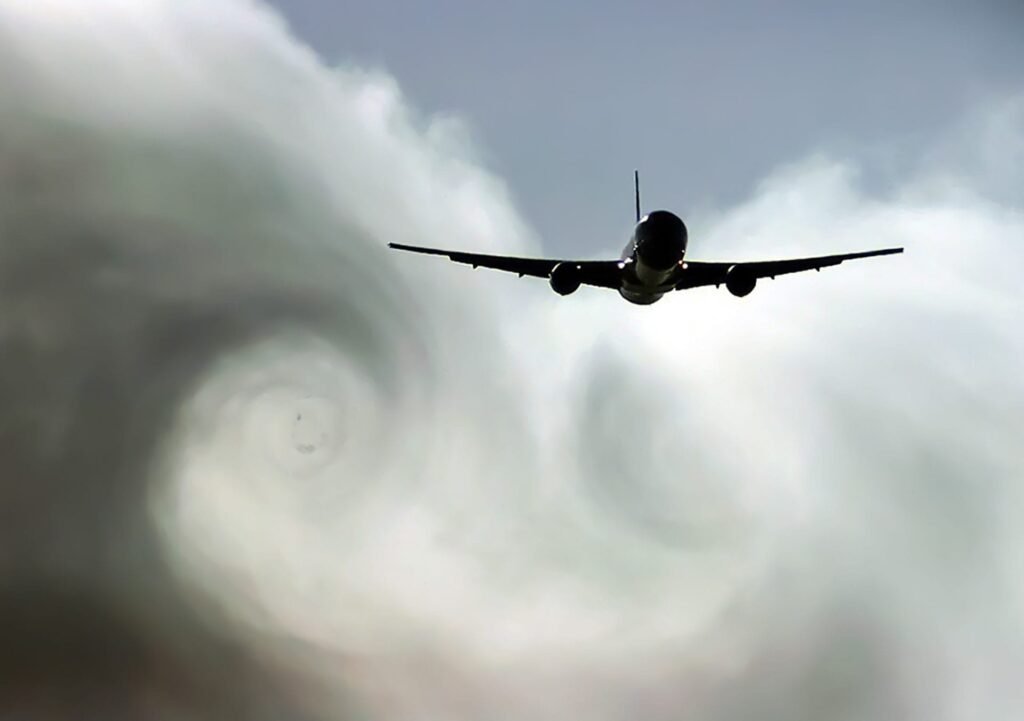
No passenger truly enjoys turbulence. It’s unnerving, often scary and in some cases, dangerous. In recent months there has been a noticeable increase in severe turbulence. Earlier this summer a Delta airlines flight was forced to make an emergency landing after dozens of passengers were injured as a result of severe turbulence. This incident may not be isolated as scientists now warn that such turbulence is likely to become more common as the planet warms.
Research now shows that our warming world is reshaping the nature of the skies. A study from University of Reading reports that between 1979 and 2020, the annual duration of severe “clear-air turbulence” (the invisible kind that can hit without warning) increased by 55% on one of the world’s busiest air routes, the North Atlantic. Moderate turbulence rose 37%, and even light turbulence saw a 17% increase.
Clear-air turbulence (CAT), which often happens around jet streams which are narrow, fast-moving air currents high in the atmosphere, is disproportionately affected. As the planet warms, the jet streams become more energetic and unstable. That destabilisation can create sudden, unpredictable shifts in wind speed and direction, triggering turbulence even when skies appear calm.
In other words, as the Earth warms, the air becomes more energetic as warmer air holds more moisture, and temperature differences between regions drive stronger, more chaotic movements that makes turbulence more likely and more intense.
For passengers, more turbulence means rougher and less predictable flights. The invisible nature of clear-air turbulence makes it especially dangerous as it often arrives without warning, even if no storms are visible.
This means that airlines may need to keep seatbelt signs on for longer, suspend in-flight services more often, or even change flight paths to avoid turbulent zones. In some cases, turbulence can cause injuries, especially to unbuckled passengers and crew members and occasionally force emergency landings.
There are also economic and operational consequences. According to the University of Reading, turbulence already costs the airline industry millions annually, because rougher air increases fuel use, causes delays and leads to more maintenance due to wear-and-tear on aircraft.
Given the science, many in the aviation industry realise that what once was a rare hazard could become a structural reality, and they are working on ways to adapt.
These adaptations include LIDAR (light detection and ranging), satellite data and atmospheric monitoring aimed to help pilots anticipate pockets of clear-air turbulence before the plane flies into them. Airlines may also adjust flight paths, cruising altitudes and scheduling to avoid zones where wind shear or unstable air are likely. Finally, the industry is re-evaluating how planes are built; because guideline certification for aircraft strength is based on older atmospheric data (from the 1960s–70s), there is a push to update those models to account for a more turbulent future.