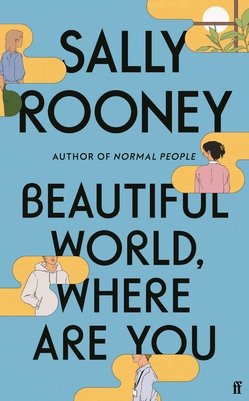
Beautiful World, Where Are You review — first-hand experiences of love and...
Anyone who’s ever had the misfortune of asking me for book recommendations has unknowingly been...








Anyone who’s ever had the misfortune of asking me for book recommendations has unknowingly been...
Gorgias (483–375 BCE) wrote his Encomium of Helen (“in praise of Helen”) as a sort...
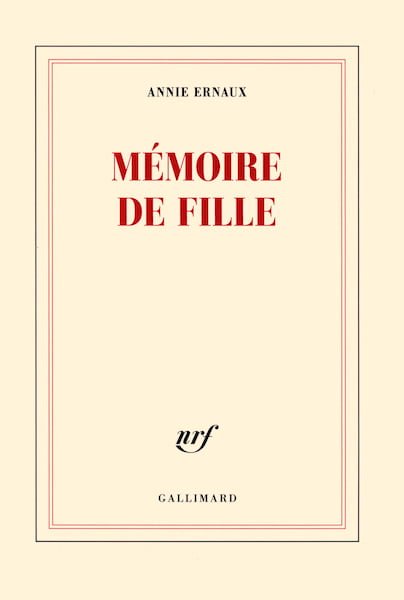
In A Girl’s Story, Annie Ernaux, in a somewhat self-indulgent practice, recounts her girlhood: all...
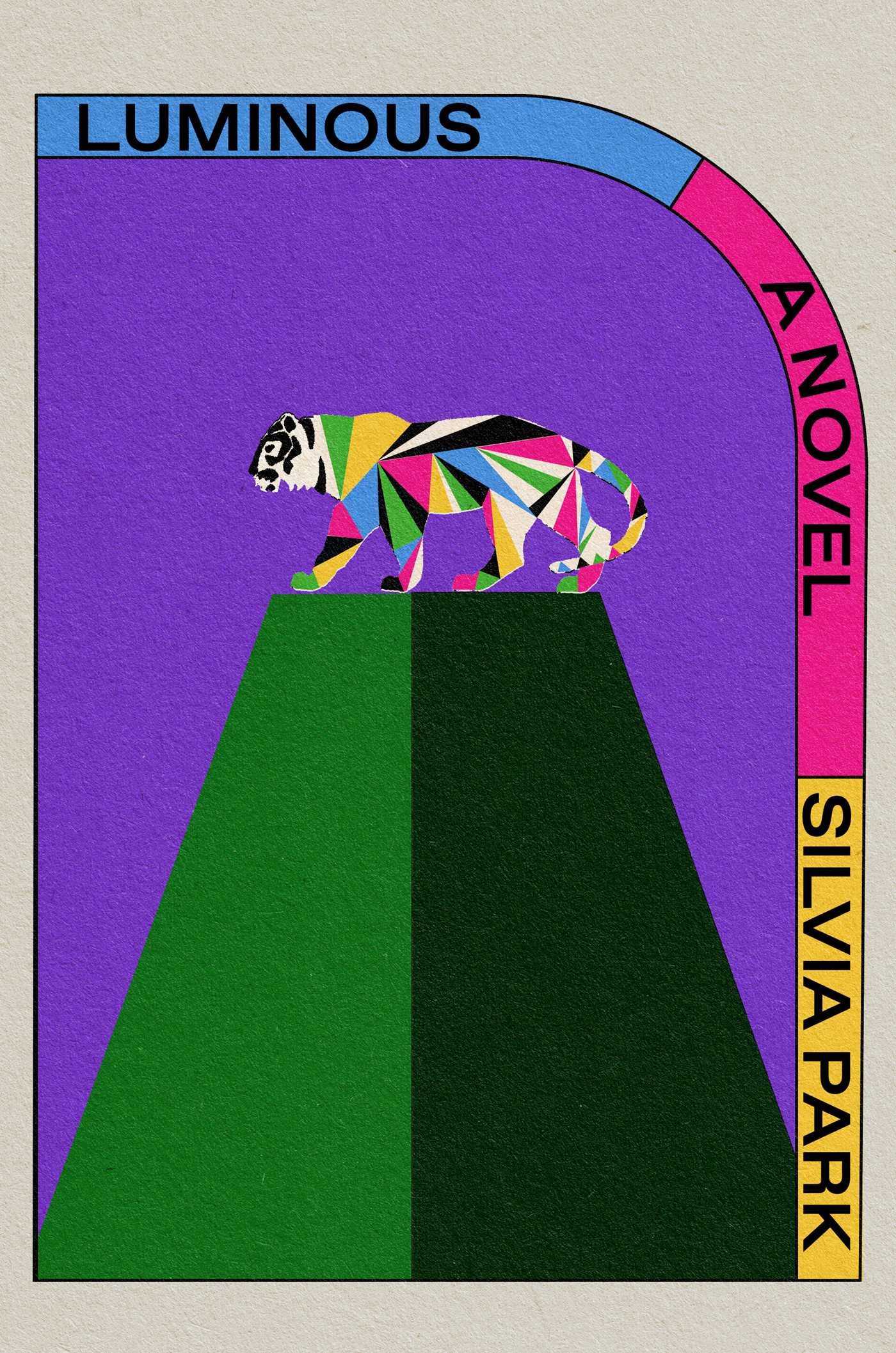
Silvia Park’s debut novel looks like a cautionary tale about ai, but at its core...
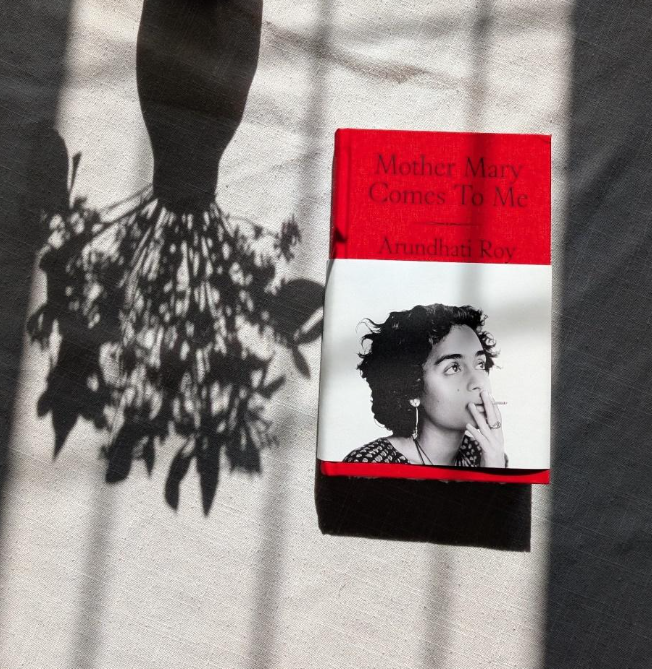
Part memoir, part obituary-of-sorts dedicated to Arundhati Roy’s late mother, Mary Roy, this somewhat holy...
For as long as we can recall, philosophers, poets and scientists alike have grappled with...
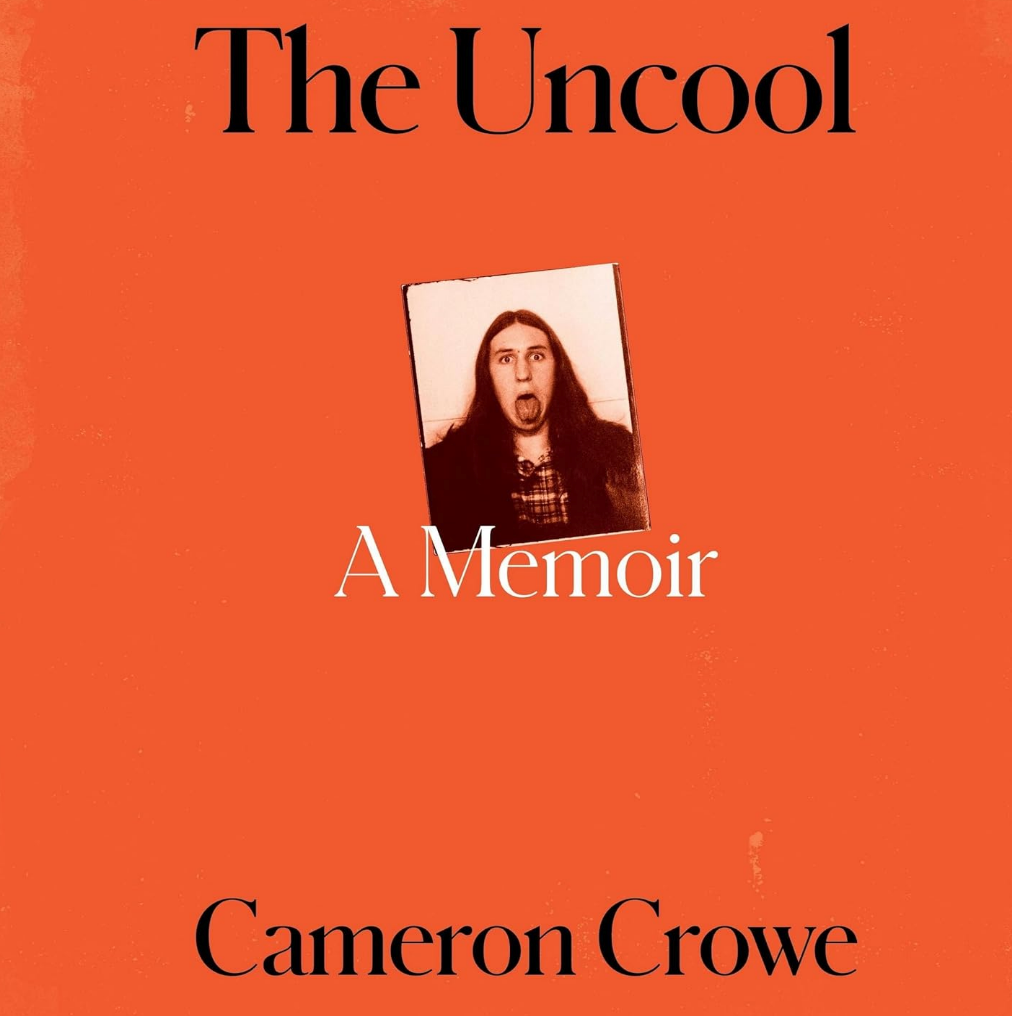
As someone who grew up feeling “uncool”, whatever that entails, to see Cameron Crowe brand...
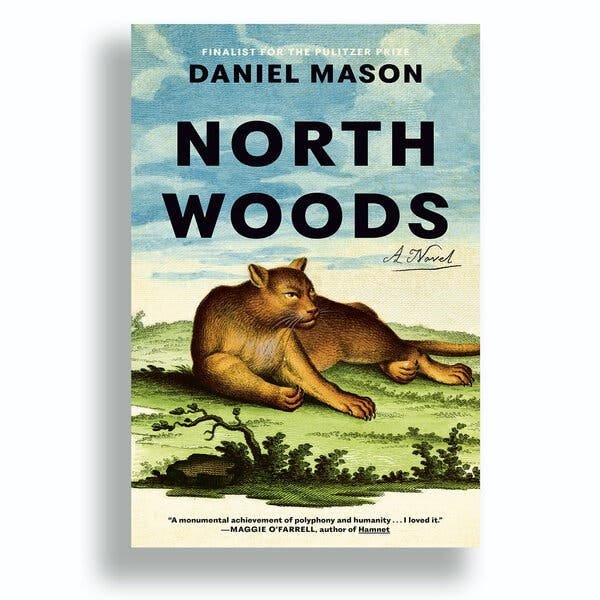
A house in Northern Massachusetts, with its vast and domineering landscape, is the prime mover...
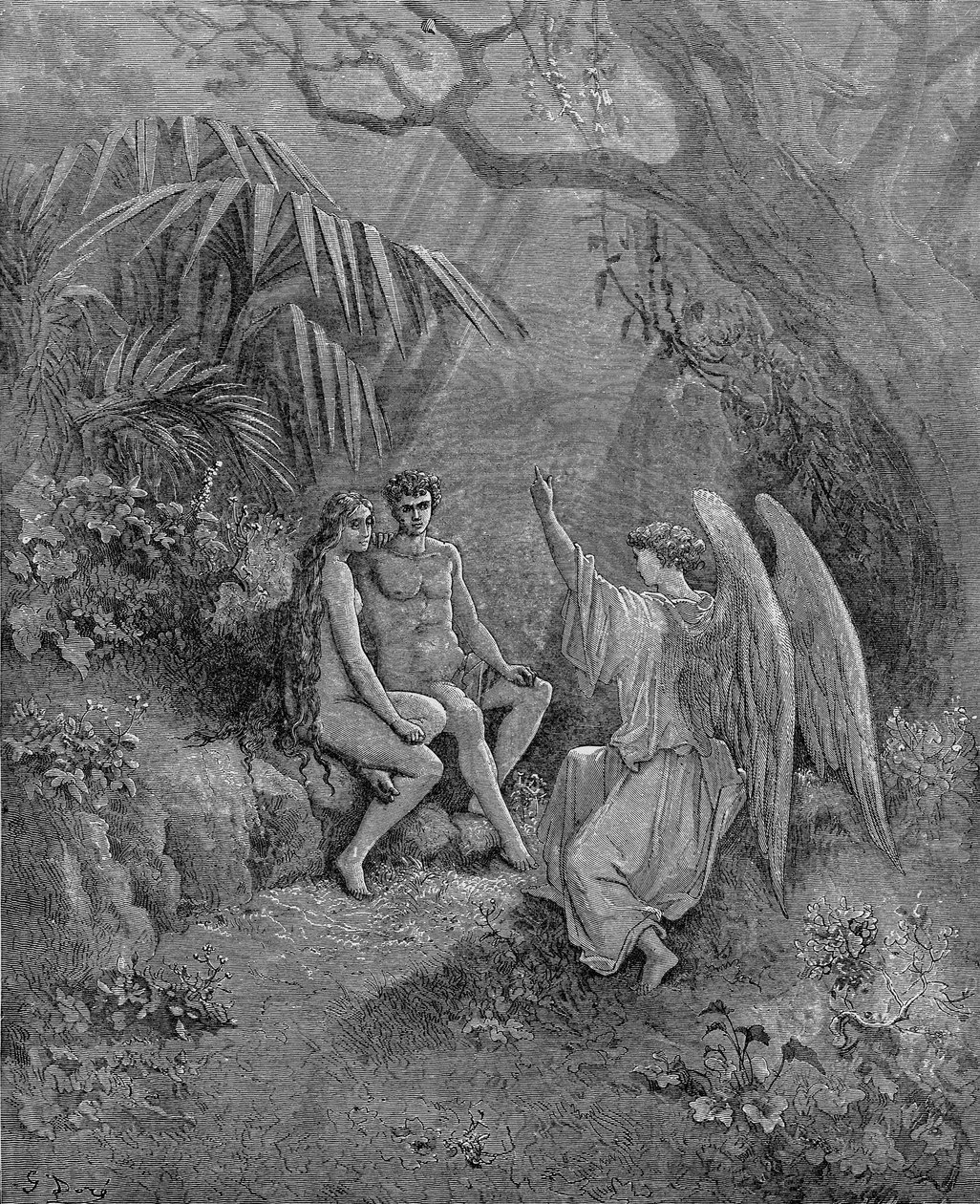
“In Book IX, Milton presents Adam and Eve’s harmonious relationship with the natural world as...
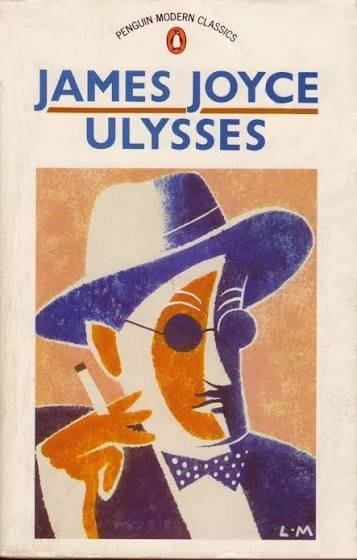
James Joyce’s Ulysses, which turned 102 last February, is now central to the literary canon...
Secrecy has become as important for corporations as transparent and taxable profits used to be,...
A cultural critic rails against a society that worships celebrity and prizes images over ideas....
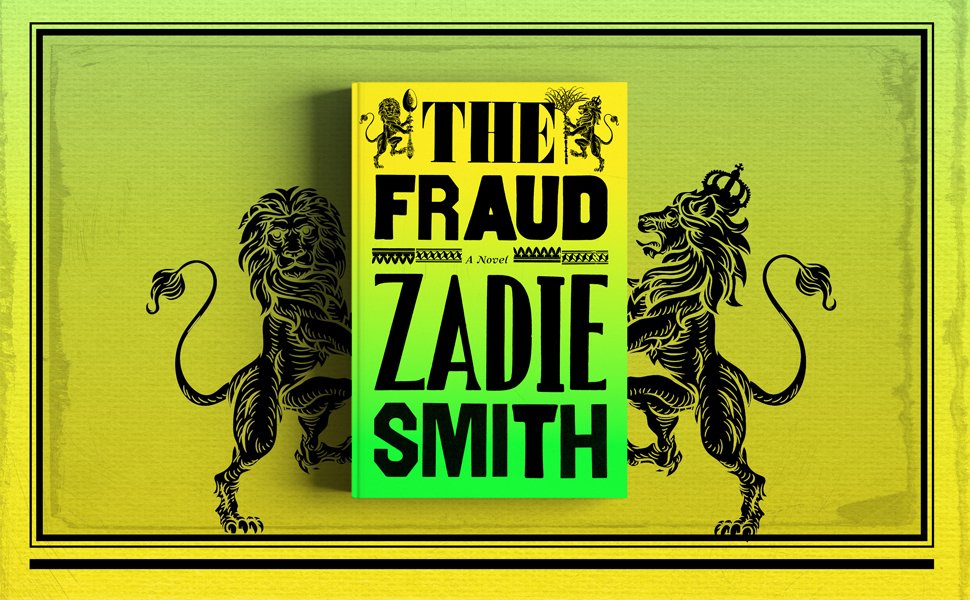
Zadie Smith’s latest novel, The Fraud, is her first foray into the world of historical...
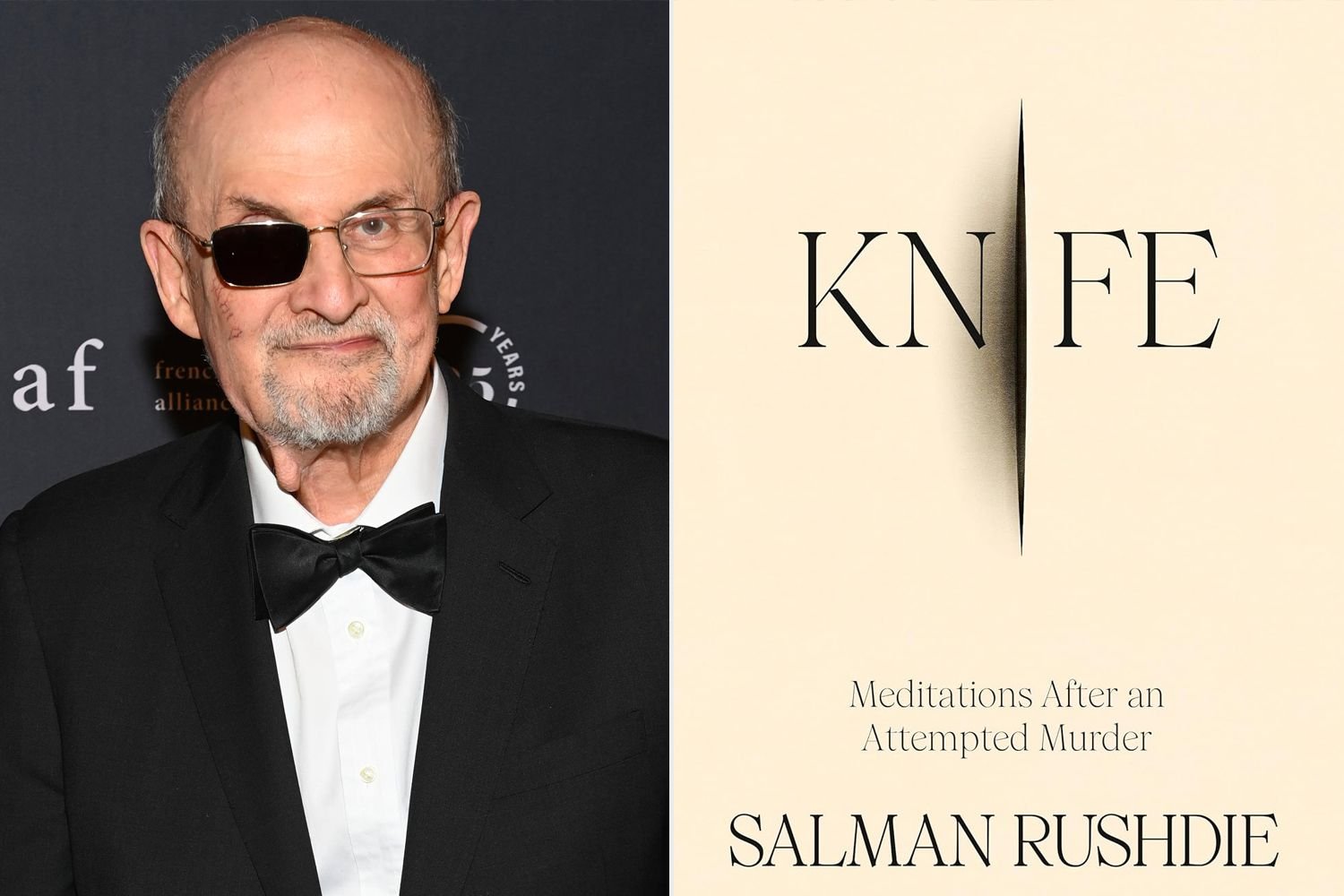
Knife is Salman Rushdie’s account of how he narrowly survived an attempt on his life...
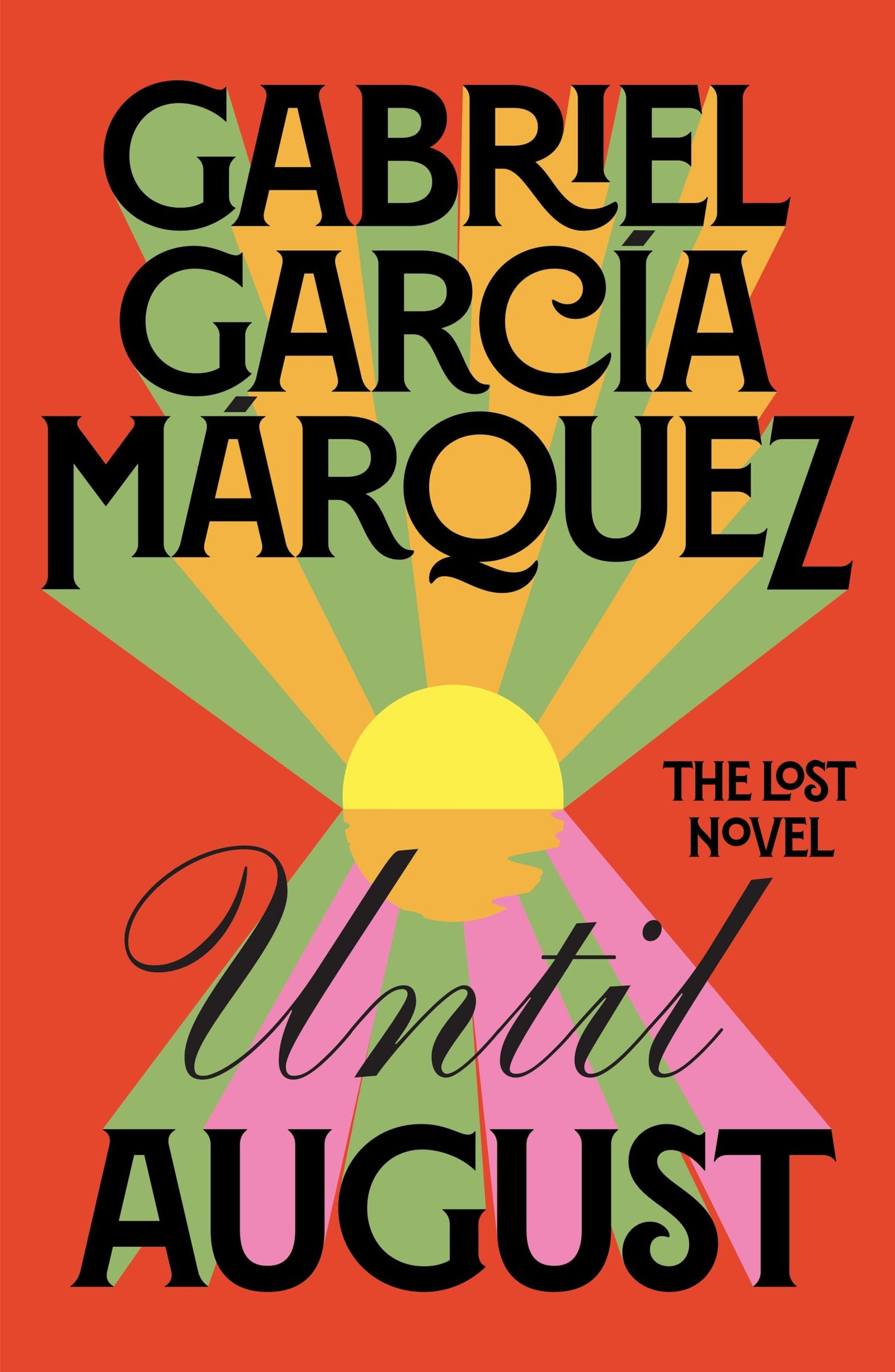
Gabriel García Márquez (1927–2014) — affectionately known as “Gabo” — started his career as a...
There is a striking photo, taken in 2015, of a deactivated nuclear missile at an...
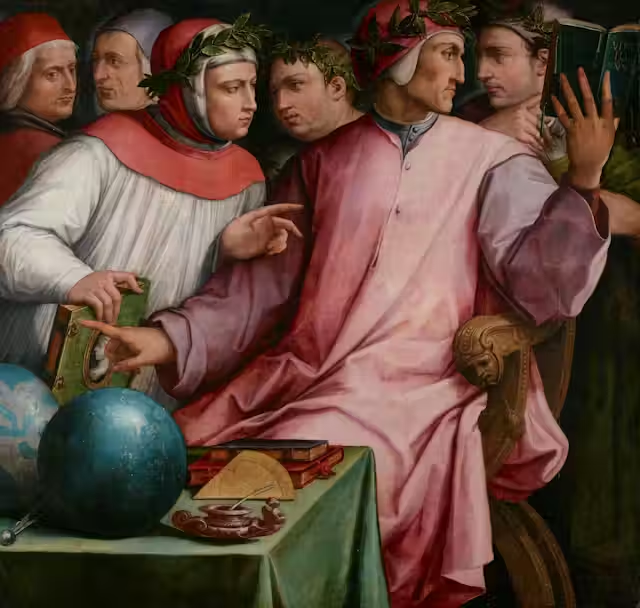
“Italy had its Renaissance, Germany its Reformation, France had Voltaire”, the historian Will Durant once...
How does self-identification lead to the formation of relationships? Self-perception can be one of the...
Katabasis — “a going down” — etymology: καταβαίνειν, Greek, “to descend”, from “κατα”, down, and...
Anyone who’s ever had the misfortune of asking me for book recommendations has unknowingly been condemned to listening...
Gorgias (483–375 BCE) wrote his Encomium of Helen (“in praise of Helen”)...
In A Girl’s Story, Annie Ernaux, in a somewhat self-indulgent practice, recounts...
Silvia Park’s debut novel looks like a cautionary tale about ai, but...
Part memoir, part obituary-of-sorts dedicated to Arundhati Roy’s late mother, Mary Roy,...
For as long as we can recall, philosophers, poets and scientists alike...
As someone who grew up feeling “uncool”, whatever that entails, to see...
A house in Northern Massachusetts, with its vast and domineering landscape, is...
“In Book IX, Milton presents Adam and Eve’s harmonious relationship with the...
James Joyce’s Ulysses, which turned 102 last February, is now central to...
Secrecy has become as important for corporations as transparent and taxable profits...
A cultural critic rails against a society that worships celebrity and prizes...
Zadie Smith’s latest novel, The Fraud, is her first foray into the...
Knife is Salman Rushdie’s account of how he narrowly survived an attempt...
Gabriel García Márquez (1927–2014) — affectionately known as “Gabo” — started his...
There is a striking photo, taken in 2015, of a deactivated nuclear...
“Italy had its Renaissance, Germany its Reformation, France had Voltaire”, the historian...
How does self-identification lead to the formation of relationships? Self-perception can be...
Katabasis — “a going down” — etymology: καταβαίνειν, Greek, “to descend”, from...
LITERATURE
Anyone who’s ever had the misfortune of asking me for book recommendations has unknowingly been condemned to listening to a rather lengthy, but gloriously flattering, rant about Sally Rooney. I believe she’s one of those rare cases of people becoming rapidly famous and central to cultural discourse, where I believe the “hype” around her creations…