
The alluring title of Betty Friedan’s The Feminine Mystique serves as a successful façade for the book’s rather morose themes. 15 years following her graduation from the all-female Smith College, Friedan constructed a questionnaire for her classmates — now all wives and mothers, but once equally academics. Despite the domestic reverie that had been portrayed in conversations and correspondence with her classmates, it became apparent that there was a great discontent and sense of ennui underpinning the monotonous lives of her housewife chums. This was what she coined the “feminine mystique”.
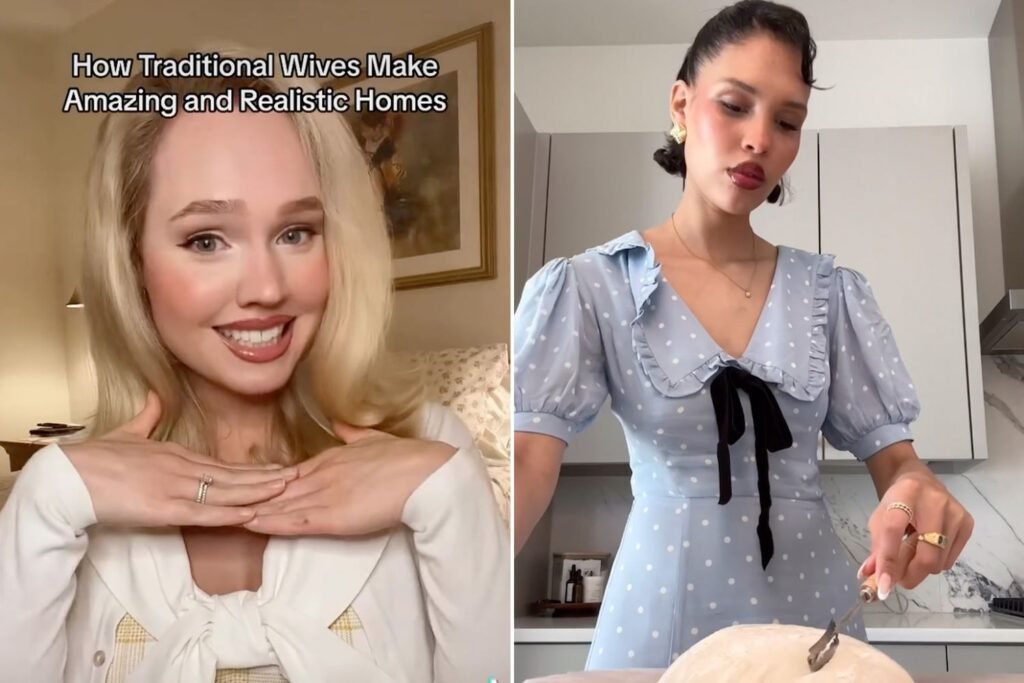
In her portrayal of the societal expectations imposed on herself and other young women during the 1960s, Friedan refers to McCall’s fashion magazines and confronts the manner in which they promoted staunch conservative and traditionalist family values. The promotion of such principles has reappeared in recent years — in digital form now — through the guise of the “tradwife” influencer. These tradwives, from Nara Smith to Erika Kirk, remain particularly compelling figures to analyse through the lens of Betty Friedan’s second-wave feminist critique.
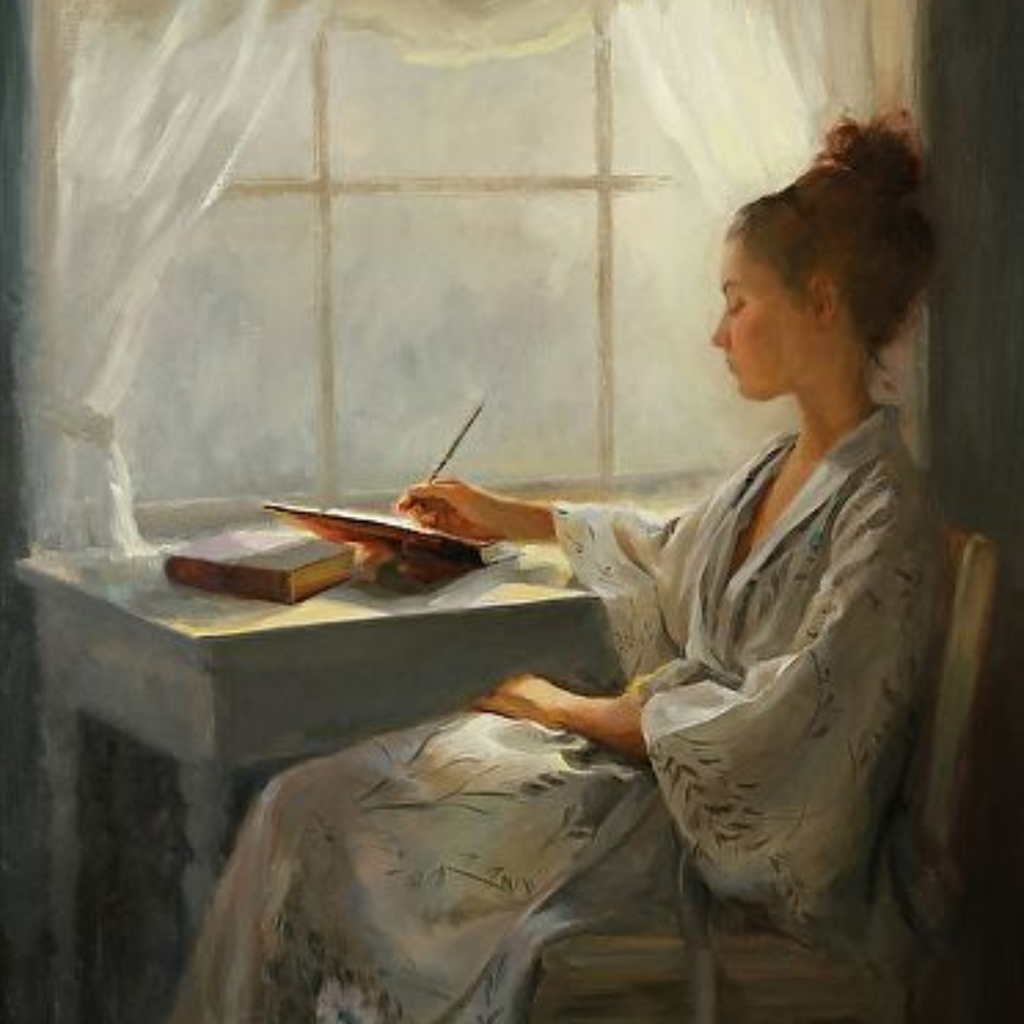
Friedan describes the ideal woman in 1950s America as “fluffy and feminine; passive; gaily content in the work of bedroom and kitchen, sex and babies and home” (p. 23). Such a description resembles what we now refer to as a tradwife — a woman who embodies extremely traditionalist values. She twirls around her kitchen, hair bouncing all the while, as she serves a batch of blueberry muffins she’s mustered up on a Wednesday afternoon. The figure who epitomises, and first springs to mind when the term is deployed, is certainly the model and content creator Nara Smith. Smith became “famous” in recent years for broadcasting videos of her cooking highly intricate meals from scratch for her husband and four children on Instagram. It is also worth noting that she was only 22 years old when she posted such videos at the height of her fame in 2023.
The feminine ideals that Friedan mentioned in reference to her generation are ever-present in the content that Mrs Smith shares today. Smith’s videos, albeit wholesome and whimsical in nature, even contain sexual undertones, which apart from making her audience slightly uncomfortable, only allude to her skills as a lover, aside from, of course, doting wife and mother.
Why is it that almost 60 years following the release of Friedan’s work we are witnessing a similar trend amongst young women today? The anxieties of post-war America incited a national yearning for conformity, manifesting in the mass manufacturing of suburban estates (such as Levittown in New York) but equally the promotion of highly moralistic and domesticated comportment amongst the female population. The political angst in America today has nurtured a similar fondness for Christian nationalist values, reinforced in the public sphere by Trump and other staunch Republican figures. The marketing of the nuclear family by central political figures, such as JD Vance, only reaffirms the central role that women play in maintaining the family unit. With this upkeep comes an immense pressure and loss of individual identity, as she is moulded into a role she is expected to perform — a role she must nonetheless perform graciously and merrily.
As Friedan explained, the great uncertainty which underpinned this period of history in 1960s America convinced women to settle down prematurely. The fear of addressing their own potential, above all when it came to serious careers outside of the domestic sphere, was a prospect too threatening to confront. The economic, political and social precarity in the US may be inspiring a similar fear amongst young women, who now prefer to support their husbands and families than consider their own trajectories.
Whether such regressive ideals continue to be pushed or not, Friedan highlights how the women who pursued their own careers and constructed individual identities outwith the home only benefitted from such autonomous decisions. Friedan notes that “it took and still takes extraordinary strength of purpose for women to pursue their own life plan when society [did] not expect it of them” (p. 308). The great difference today, despite the rising propaganda, is that women are not expected to adhere explicitly to the housewife role. The working woman, “unlike the trapped housewives whose problems multiply with the years… solved their problems and moved on. And they quite surely now know who they are” (p. 308). Existing beyond the confines of the home, and outside the framework of the family, was, and is, an accolade of significant merit that must not be underestimated.
It seems no coincidence that the resurgence of traditionalist values and imposing expectations on young women in America today come at a time of social and political precarity. The revival of these regressive — and dare we say misogynistic — patterns are indicative of a specific Christian nationalism which is constantly gaining traction in the US. Betty Friedan never condemned the domestic role of mother or housewife — she had a husband and raised a family. However, she pursued a writing career (a career that sought to liberate women) and defined herself as an autonomous being.
The digital age has reshaped Friedan’s notion of the feminine mystique, exacerbating rather than dismantling it. Whether these tradwives, influencers or not, will suffer from similar feelings of discontent or ennui cannot be confirmed. What we can be certain of is that they will not be sharing such troubles so candidly on social media platforms. Friedan would likely have viewed this as a troubling regression. Not only does the feminine mystique still exist, but women can still no longer speak honestly of such complicated feelings surrounding their identity or happiness without the fear of being critiqued.