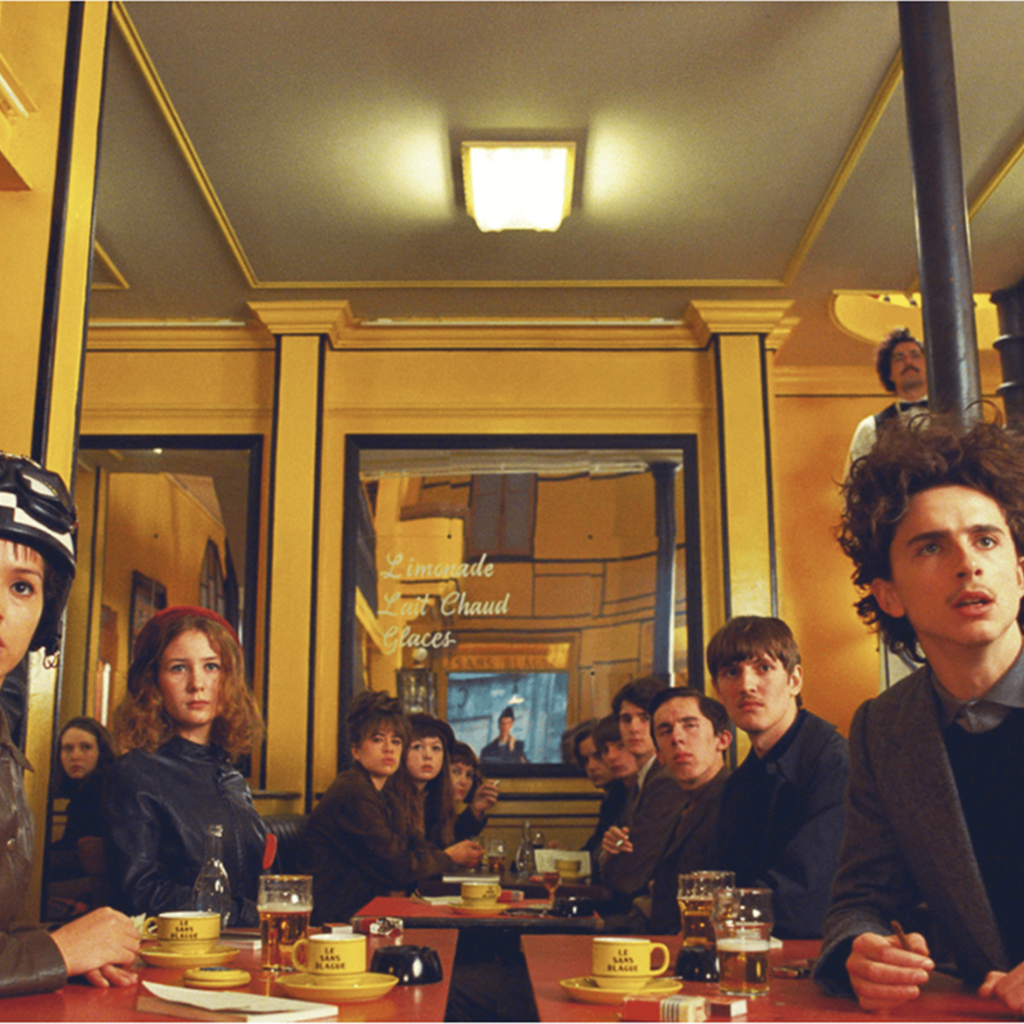


Social media consumes us all. Connecting feels easier than ever, with everyone being accessible at the tap of a button. However, its effects on consumers are undeniable; it commodifies social interaction, rewires our brains and ultimately disconnects its users from their loved ones. In an age of ai-dominated, algorithmic content, the concept of effortless interaction has never been louder nor more hollow.
As a society, we are all given the ability to broadcast our lives as little or as much as we please; this appears in many forms such as “day in the life” content, motivational clips or even reaction videos. In fact, this broadcasting offers a monetary incentive too; time-consuming posts are generally rewarded, with the biggest creators of social media content reaping the rewards for captivating the masses. Many of us can relate to the feeling of scrolling through hundreds of videos in search of connection, yet feeling even more disconnected by the end. In short, connection is not only laughably unfulfilling, but has become sellable, measurable and competitive.
However, do these “connections” with everyone have true substance?
Indeed, we are connected. We can reach out to family, friends and our loved ones far more efficiently than ever in human history. Young people in particular spend several hours communicating and sharing content with friends. Despite this, recent studies reveal all-time high cases of youth loneliness and isolation, hinting at how online connections devolve into a twisted form of vanity. Social media has arguably reframed the minds of its users through the goals of long-lasting streaks, high follower counts and, above all, validation. With social media also comes the often damaging parasocial relationships and “fandoms” which are more common than ever. People often connect for the sake of having a connection, rather than being genuinely interested in those they reach out to. Interactions like these are far from meaningful.
But what makes a meaningful connection? This question is a hotly debated topic; however, it is undeniable that true emotional bonding between individuals forges the foundations for such intimate connections. Many branches of social media offer little opportunity to emotionally bond. Texting is saturated, with priority to be brief over long free-flowing speech. Even more so, user-driven content on platforms such as TikTok and Instagram feed off of this artificial, parasocial engagement with creators, which in turn disconnects its users from forming real-world connections.
This artificiality is perhaps most evident in dating apps, the modern-day cure for loneliness. It has become, however, a place where attraction is reduced to a swipe, a tap and a few carefully chosen prompts. Although many cases of dating app “matching” exist, the concept of leaving romantic connection in the hands of an artificial matchmaking algorithm often makes connections feel emptier than rejection itself.
Whilst digital platforms ensure that people interact, we should as a society question not if we are connected, but what we are losing as a result. Small changes, such as finding the time in our lives to connect in person, can offer genuine benefits. Mental health would naturally improve as we push ourselves to leave our homes and interact with our loved ones. Connections with people that often felt distant or false would be rekindled; those bonds that were purely artificial would slowly drift away. Although certain aspects of social media seem to benefit from online connections, more real-life encounters may prove more effective in making our artificial connections feel real again.