













It will come as no surprise to any regular gig-goer, that concert prices have risen dramatically in recent years; with many summer stadium shows for 2026 already on sale, it seems this trend is only continuing. For example, pop superstar The Weeknd is charging a huge £176 for front standing tickets at his Wembley Stadium shows next year.
A report by The Yorkshire Post published in July stated that since 1996, the average UK ticket price has risen by an astounding 428.7%. Back in 1996 the average ticket only cost £16.99. Now it has reached £105.60. So why has the cost of a concert spiralled so out of control?
Well, like most things in life the answer is multi-faceted. However, one key factor is Covid and the ensuing lockdowns. This left the majority of the world without live entertainment for the best part of two years, thus massively driving up the demand and therefore the price. According to United StatesBureau of Labor Statistics data, ticket prices for films, concerts and theatre rose by 20% between 2021-2024.
An interesting trend any concertgoer will have noticed however, is how the rise in prices is not equal across differently sized venues. Seeing a small artist in a pub or small venue for under £10 is still possible. Similarly, mid-sized venues still regularly sell tickets for between £30-40. However, once you make the leap to arena and, in particular, stadium shows, the prices increase dramatically with a standing ticket at a stadium show often exceeding £200 now.
Ryan Penty, booking agent for Wasserman Music which has Ed Sheeran and Lewis Capaldi on its roster, pointed out in an article in The Independent “it’s once you get to that £20-25 a ticket market, that’s where artists are really struggling to make the finances work whilst putting on a show that fans would expect for that price. After the pandemic, the middle has been squeezed out.”
This is while some mid-level artists such as Kate Nash have complained of making no profits from touring despite playing to thousands of people. At the same time, bigger artists are making greater profits than ever. This is an issue right across the music industry and it bears similarity to how many chart-topping artists are now generating more money per stream on Spotifythan smaller artists. Simply put, the poor are getting poorer and the rich are getting richer. Although many may argue this is a wider problem with the capitalist society in which we live, that is a debate for another article.
Despite many commercially successful artists making huge profits, there are still issues at the top end. Beyonce’s much-publicised struggle to sell out her residency at the Tottenham Hotspur Stadium perhaps showed that punters are being pushed to the limit with what they’re willing to spend. Though she isone of the largest artists in the world and having released Cowboy Carter, an album that broke streaming records, she couldn’t sell out all the dates, and many discounted tickets were put on sale in the weeks preceding the shows. This reluctance from fans will definitely have made ticketing agents and management question how much they charge for future shows, and highlights how we as consumers do have power to change ticketing prices.
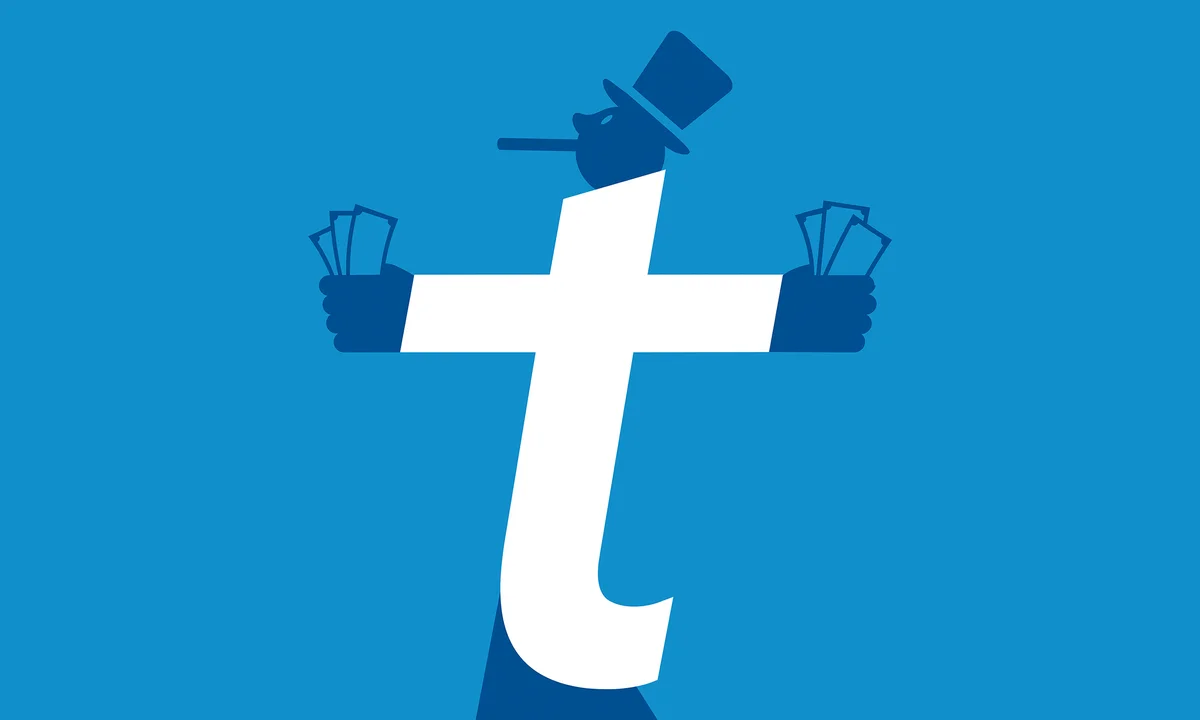
Although important, Covid is not the only cause of increasingly expensive tickets. The monopolisation of the ticketing market is undoubtedly a factor in the ticketing price increases. The 2010 merger between Live Nation and Ticketmaster gave even greater power to two giants of the industry. LiveNation has previously been accused of pushing and threatening venues into using Ticketmaster services, an accusation it denies. However, Ticketmaster alone had such huge sway in the industry that many artists who had chosen to boycott them, most notably Pearl Jam in the 90s, failed to coordinate tours without Ticketmaster’s input.
Ticketmaster’s malpractices are numerous and date back some time.
In September 2025, the US Federal Trade Commission as well as seven US states sued Ticketmaster and Live Nation, accusing the companies of illegal resale tactics, and colluding with ticket brokers to collect tickets and then sell them at higher prices. This follows the US Department of Justice, 29 states and the District of Columbia all suing Live Nation Entertainment over what it alleges are anti-competitive practices last year. That too followed the company’s shambolic handling of the sale of Taylor Swift tickets in 2023.
For fans who wish to avoid these companies, there are some alternatives to Ticketmaster and Live Nation popping up. Perhaps the fastest rising of these is Dice, a silky-smooth ticketing app that shows all fees and taxes on a ticket upfront. Phil Hutcheon, founder and CEO of Dice, set his company up in part to help smaller acts and independent venues sell more tickets and understands how perilous the economics are, stating in The Guardian that “Mid-sized and small concert tickets are actually underpriced for what you get”. It is now generally expected that money will be lost on shows with audiences of hundreds of people and it is only when playing to thousands that touring truly becomes profitable.
One other major issue is touting. Traditional methods of selling tickets outside the venue have all but disappeared. The internet has made touting much easier, widespread and more profitable. Earlier this month a collection of high-profile artists including Radiohead, Dua Lipa and Coldplay co-signed a letter to the UK Government, demanding it deliver on its pledge to tackle the scourge of touting.
However, there is a very simple solution to this problem. Ban resale for profit. This is the point in the article where I was going to go on an impassioned rant, about why the pernicious resale for profit market needed to be made illegal. But thankfully last week the UK government did exactly that. As annoyed as I was to have rewrite this entire section of the article, I am far more overjoyed that this meritless market will be gone and that the government predicts it will cause a 24% decrease in the average ticket price in the UK.
Although it seems unlikely that the letter signed by many high-profilemusicians caused this law change, it is entirely possible that it impacted the scale of the change. Initial reports suggested that resale may be capped at 30% over face value, but the total eradication of for-profit resale may have been a result of that pressure from musicians. This law being announced a week after the letter is perhaps not coincidental. This shows the power that artists have and those that signed this letter should be commended for putting principles before profits.
Overall, it is clear ticket price increases have been dramatic in recent years for a variety of reasons. However, it does genuinely seem there is cause for hope. The two cases against Live Nation show there is demand for change in the ticketing industry, with a poll in the United States in 2023 showing that 60% of Americans would support moves towards the breaking of the LiveNation and Ticketmaster merger. If the Department of Justice’s lawsuit is successful, Live Nation may well be forced to sell Ticketmaster, which would be a victory for any fan of live entertainment.
The changing of the law here in the UK to ban resale for profit is another reason to be positive, as this will undoubtedly bring down prices. It will also make it easier to get tickets for in-demand events, as fans will no longer be competing with bots, brokers and touts, who are just looking to buy up tickets and sell them for several times the original price.
This year has also seen the first drop in concert prices in several years, with Bloomberg reporting that of the top 100 tours in the world, ticket prices have fallen by 6%, showing another positive step in the right direction.
There seems to be pressure building from music fans to lower prices, emphasised by the struggle of many high-profile artists to sell out shows. This is one way you as a consumer can help: resisting immediately purchasing overpriced tickets sends a message to ticketing companies that the public are not willing to be exploited for their love of an artist, forcing them to lower prices or end up with half-empty venues. Hopefully through a mixture of all the aforementioned methods, we can look forward to a time when live music is accessible to all once again.