

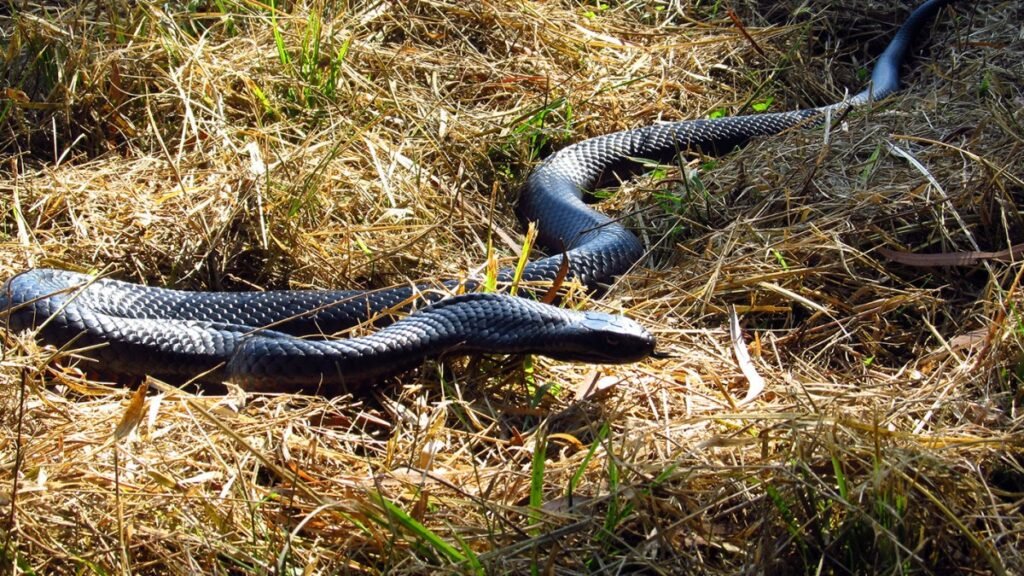
Heavy rains and flash flooding have driven Australian wildlife to seek higher ground, creating a terrifying reality for residents in New South Wales and Queensland: the rise of the toilet snake.
As floodwaters inundate roads and isolate towns, reptiles are seeking refuge in the driest places they can find — often inside human homes. While finding a reptile in the living room is frightening enough, the true stuff of nightmares is finding one in the bathroom..
While Australia is home to around 170 types of snake — 100 of which are venomous — deaths remain rare. However, the frequency of close encounters is spiking, and for men in particular, the consequences can be eye-watering.
The hazard of the “genital strike”
The fear of a toilet ambush is not unfounded. While snakebites usually occur on limbs, the toilet bowl presents a unique vulnerability. A specific genre of horror story has emerged regarding snakebites to the penis, a trend that proves this is not just an Australian problem.
The victims of these genital strikes span the globe. In 2013, a 30-year-old man in Israel was rushed to hospital after a snake struck his penis while he was using the toilet. In 2016, a 38-year-old man in Thailand suffered a similar fate.
The trend continued into the next decade. In 2021, a 65-year-old Austrian man was bitten in the genitals, and in the same year, a 47-year-old Dutch man on a safari in South Africa received a bite to his penis at a nature reserve. The vulnerability of the seated position, combined with the snake’s defensive instinct when its light source is suddenly blocked, makes for a high-risk encounter.
Close calls in Queensland
Back in Australia, the plumbing is just as perilous. In Hervey Bay, a man lifted his toilet lid to discover a common tree snake, a harmless species described by handlers as “inquisitive”.
In Oxenford, a python was found draped over a shower head; the snake catcher posted about it on Facebook, noting that the homeowner confessed it “scared the shit out of me”.
More alarmingly, a “mild plumbing” issue for one Queensland family turned out to be a highly venomous eastern brown snake blocking the pipes.
In 2019, 59-year-old Helen Richards was bitten on the bottom by a 5 ft carpet python hiding in a toilet bowl in the dark. She became the “butt of many jokes” globally, but she got off lightly compared to the men overseas.
Why are they there?
Licensed snake catcher Tennile Bankes told Yahoo News that wild weather is to blame. During heatwaves, snakes seek water; in floods, they seek safety.
Public toilets are particularly attractive to reptiles. The lights attract moths and mosquitoes, which in turn attract frogs — a snake’s favourite meal. Bankes also noted that snakes utilise toilet bowls to soak their bodies when shedding their skin.
Finding a serpent in the U-bend triggers a primal fear, but Bankes warns against reaching for a shovel. “That’s how you get bitten”, she said. In an enclosed space, a threatened snake will lash out. Her advice is simple: close the lid, place something heavy on top and call a professional.
To snake-proof your bathroom, experts recommend keeping windows closed, checking overflow relief gullies and maintaining floor seals. Snakes are also repelled by the scent of ammonia, cinnamon, cloves and peppermint.
Most importantly, keep the toilet lid down. It is the only way to ensure you do not become the next statistic in the growing list of toilet injuries.