







After years of modern cinema being dominated by science fiction, cheesy romcoms and hyperealistic dramas, it is now reverting back to a bygone era toward the ornate and haunted world of gothic storytelling. With Guillermo Del Toro’s recent release Frankenstein (2025), Robert Egger’s Nosferatu (2024) and Maggie Gyllenhaal’s upcoming film The Bride! (2026), filmmakers are breathing new light into the old tales and infusing them with psychological nuance and a contemporary edge. These reinventions signal a gothic revival with all the traits of classic horror and familiar myths to reflect current fears that can resonate with a modern society.
When an 18 year old Mary Shelley first wrote her original novel Frankenstein, Europe was going through massive societal changes and, with gothic narratives generally expressing a fear of the unknown, the story reflected a society rooted in anxieties due to developments with galvanism, experimentation and the scientific world as a whole. History continuously repeats itself whether that be through political ideologies or through these styles and, once again, the anxieties of a modern world can be extrapolated to reflect a similar feeling. Though Guillermo Del Toro’s interpretation is essentially about strained relationships between fathers and sons, these themes can become relevant in the age of A.I due to the unknown pitfalls of uncheckable technical advancements.
The revival of gothic and horror cinema also arises from profound uncertainty evident in life during and after the pandemic. The post pandemic world was inundated with gothic inspired visual designs in media, even if it had not fully reached the mainstream yet. By 2022, as we got used to a post-pandemic world, movies with this stylistic influence, such as Bones and All and Pearl were released as well as AMC’S television series Interview with the Vampire, signalling a revived interest in the aesthetic.
Modern gothic has largely shifted its focus from the supernatural to more modern and realistic anxieties such as isolation, economic pressures and doubt with personal identity. Moderate stylistic changes to the core gothic values have come along with the monsters becoming the physical manifestation of these anxieties with philosophical ambiguity generally replacing religious fears. As a result, contemporary works blur the line between the monstrous and the mundane, presenting horrors that feel unsettlingly plausible and rooted in everyday experience. This evolution not only revitalizes the genre but also underscores its enduring purpose which is to probe the psychological fractures of current times and expose the hidden issues with ordinary life.
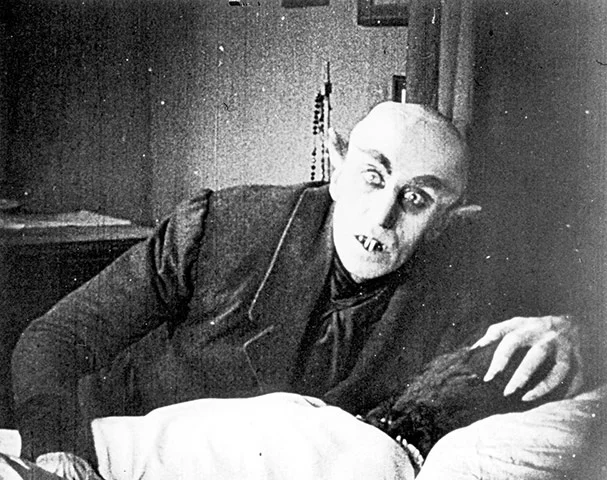
Robert Egger’s Nosferatu provides a story which blends these modern social contexts with the traditional ideas of vampirism. Ellen (Lily-Rose Depp) feels trapped and unwittingly summons Count Orlok, who is represented as a physical manifestation of her unhappiness, which is the core horror of the story. It is not the only recent vampiric representation in modern times with AMC’s Interview with the Vampire also providing a personal and nuanced look at the humanism of vampires. Together these gothic stories signify a shift towards vampirism as a lens for emotional confinement, identity and the complexities of desire.
The gothic revival is also seeping into the mainstream in other mediums with literature, fashion and music embracing the darker aesthetic with ideas such as ‘dark academia’ and ‘whimsigoth’ having an ever increasing popularity. Musicians such as Ethel Cain and the Cocteau Twins also embrace these themes with Ethel Cain’s southern take on a gothic sound using themes of religious trauma, doomed romance and the American decay. The Cocteau Twins style blends an ethereal sound with haunting vocals to create an atmospheric gothic mood in their music taking influence from the modern alternative music scene.
Gothic storytelling has an enduring adaptability by evolving stylistically to social and technological contexts. The Gothic, in its many forms, continues to captivate, challenge, and haunt audiences across a variety of cinematic and physical mediums.