The slow death of the United Kingdom and a need for alternative patriotism — what does Britishness need to be in the 21st century

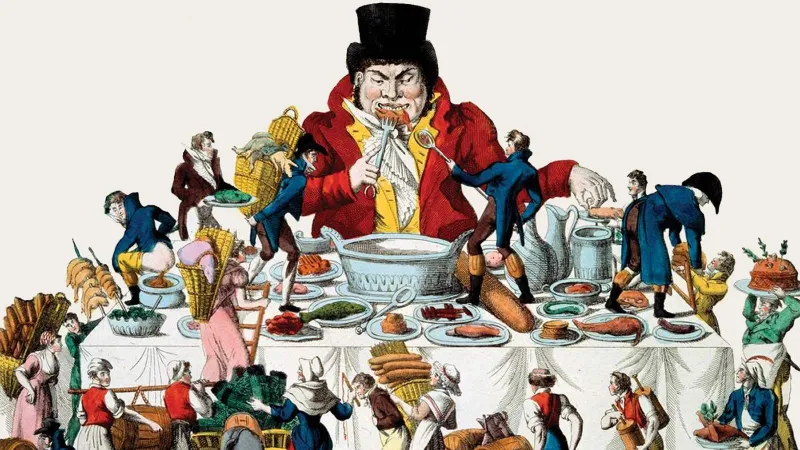
What do we define as “Britishness”? In the most vague sense of the word, how do we as citizens of the UK define what it means to be British? Do we highlight the charming clichés of our love of an English breakfast tea, morning, afternoon and night, holding our mugs while gossiping about our neighbours… Continue reading The slow death of the United Kingdom and a need for alternative patriotism — what does Britishness need to be in the 21st century

The rise of the far right isn’t sudden — we just stopped paying attention

289

In political and public affairs analysis, the resurgence of the far right is often framed as a fractured viewpoint — an unforeseen force with the intent of sabotage that has emerged in response to the crisis at hand. Some would call it the cry for help, much like the replacement of a blunt bent blade… Continue reading The rise of the far right isn’t sudden — we just stopped paying attention

The danger of knowing ourselves too well—when introspection turns into self-interrogation

“I am my own biggest critic… But for the rest of my life, I am going to be with me, and I don’t want to spend my life with someone who is always critical.” Most of us, myself included, believe that one of the most valued qualities we can have is that of self-reflection. I’ll… Continue reading The danger of knowing ourselves too well—when introspection turns into self-interrogation

A funnel in both directions—how global movement mirrors the Age of Empire

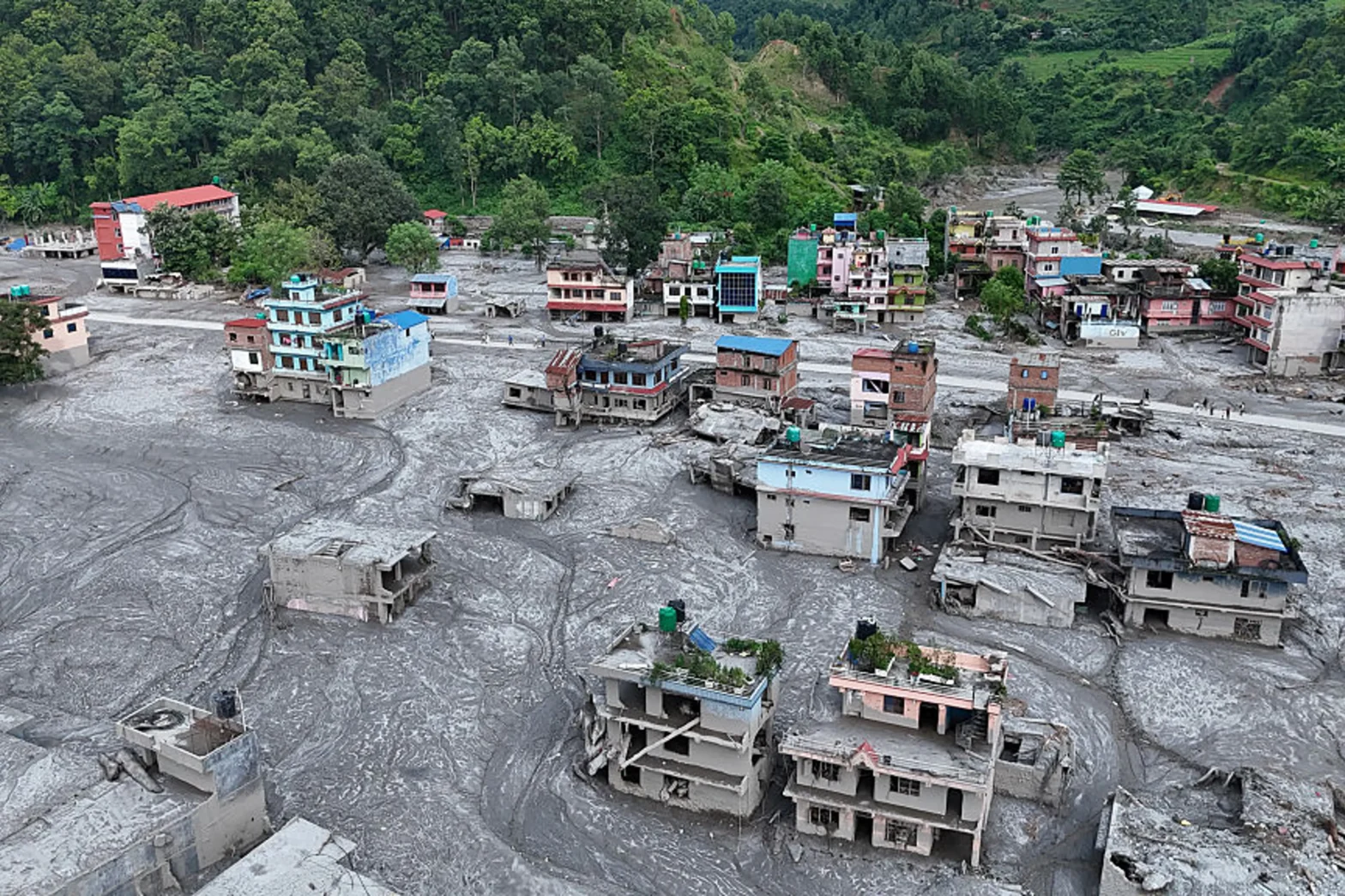
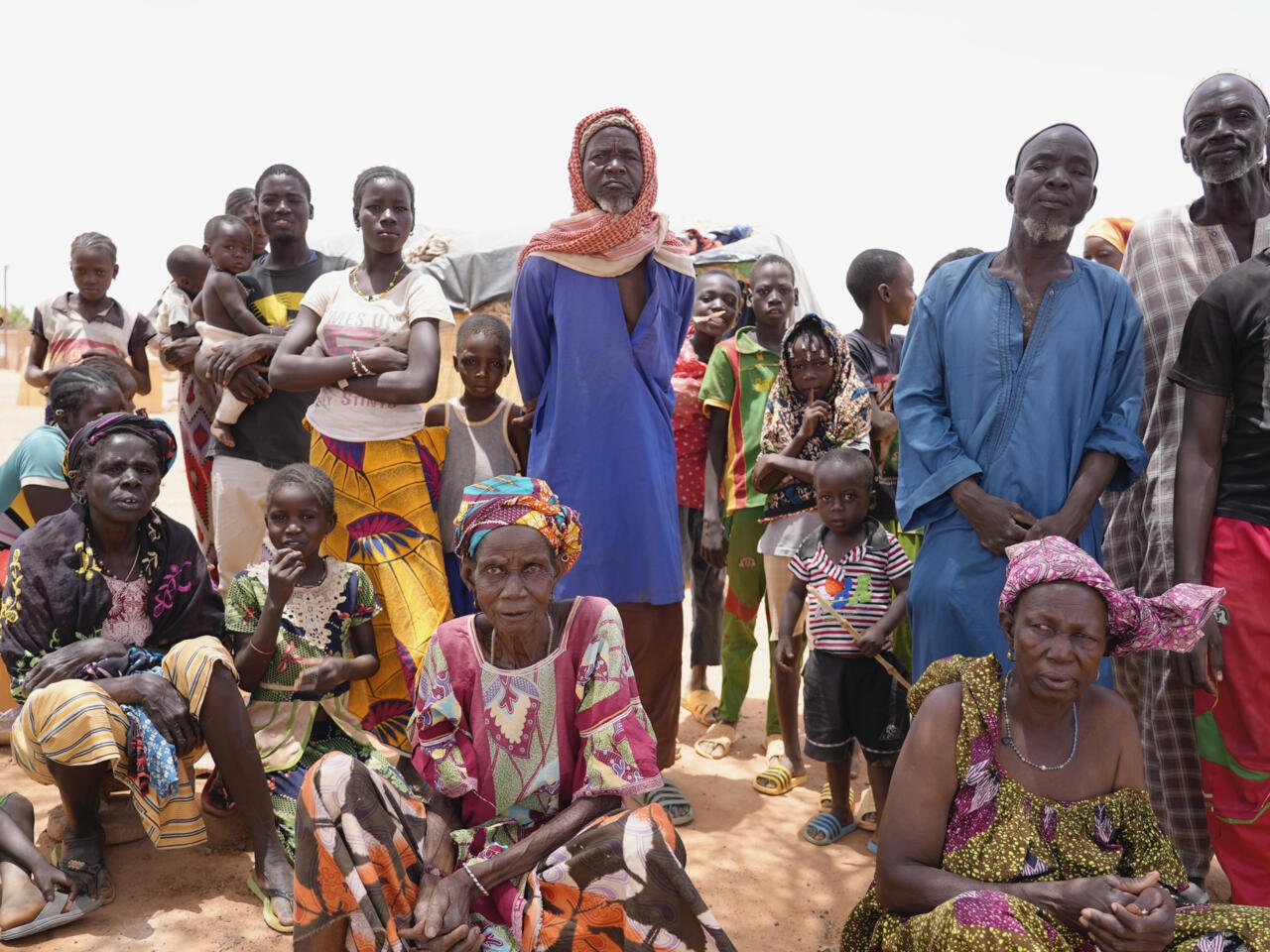
It is often said that the only constants in life are death and taxes. But history suggests a third certainty—migration. As nations build borders and societies imagine themselves rooted in myths of permanence, humanity has always been in motion. Civilisations rise, expand, splinter and reform; people leave, arrive, return and transform the very places they… Continue reading A funnel in both directions—how global movement mirrors the Age of Empire

You’re not in the manosphere—you’re a Marxist

Watching the Louis Theroux documentary, apart from the obvious shock of hearing slurs and misogynistic remarks so loudly and thoroughly that you might think these manosphere men and society as a whole are doomed, I couldn’t help but see a blaring subliminal message behind all of the offensive noise. The manosphere wasn’t just incel aggression… Continue reading You’re not in the manosphere—you’re a Marxist

How the Cold War killed creativity

People online love to joke that “men used to build things”, usually paired with a photo carousel of the Taj Mahal, Registan Square or Versailles. Behind the humour is a real point. Art once occupied a central place in public life, and the people remembered across empires were often philosophers, poets, architects or scientists whose… Continue reading How the Cold War killed creativity

Anti-progression as the first and absolute sign of progression?

Following new asylum reforms, England has witnessed an intense outbreak of anti-immigration protests since April 2025. Many of these demonstrations have resulted in harassing minorities and shouting racist slogans, which has instilled an atmosphere of fear and incertitude. These anti-progress movements have made people all across the UK despair and believe that, despite popular belief,… Continue reading Anti-progression as the first and absolute sign of progression?

The Kremlin’s African Gold Rush: How Moscow Turns Gold Into Power

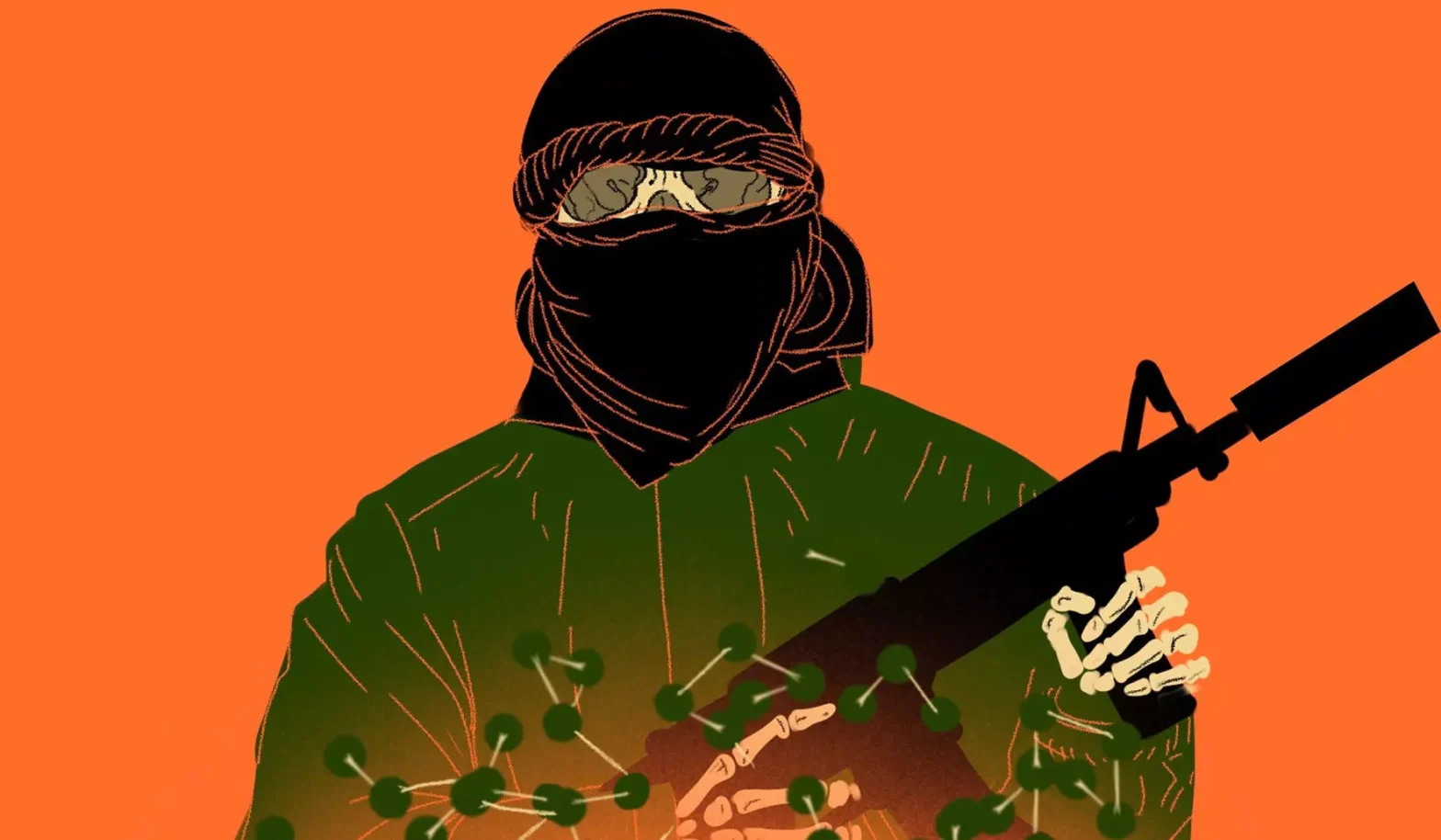
Russia has quietly built a sprawling billion-dollar network across Central and West Africa. Its secret weapon is a mix of mercenaries, resource deals, and shadowy trading companies that funnel money directly to Kremlin-linked paramilitaries and indirectly to Moscow itself. Wagner Group and now its successor Africa Corps operate at the heart of this system, blending… Continue reading The Kremlin’s African Gold Rush: How Moscow Turns Gold Into Power

The trouble with Sleeping Beauty — desire, desirability and the unconscious female body

Now displayed in New York’s Metropolitan Museum of Art, Frederic Leighton’s 1895 oil painting Flaming June orbits an unconscious female subject. Against the painting’s calculated — almost architectural — composure, this image of female repose becomes a charged site where sex and sexual desire are insistently inscribed. Leighton choreographs the woman’s body into a carefully… Continue reading The trouble with Sleeping Beauty — desire, desirability and the unconscious female body

Eco-sumud: Olive Harvests as Resistance in Palestine

As I am writing this piece, Palestinian families, friends and neighbours are gathered in their ancestral olive groves. The small green or black fruits are ready for plucking during the annual mawsim al-zaytoun (“olive season”), which typically lasts from October to November. Once the freshly picked olives are packed into bags and pails, they are… Continue reading Eco-sumud: Olive Harvests as Resistance in Palestine