Clandestine Magazine

Magazine

AFFAIRS

culture

ABOUT CORRESPONDENCE TEAM

The complexity and reality of mortality of the Peaky Blinders

I walked out of The Immortal Man grieving a character that never existed. The film beautifully presents us with the unwrapped gift of death. Of confrontation. Of full realisation. The immigrant circle of life, so to speak. And yet even with the finality of Tommy’s mortality, we as an audience are left with a sadness… Continue reading The complexity and reality of mortality of the Peaky Blinders

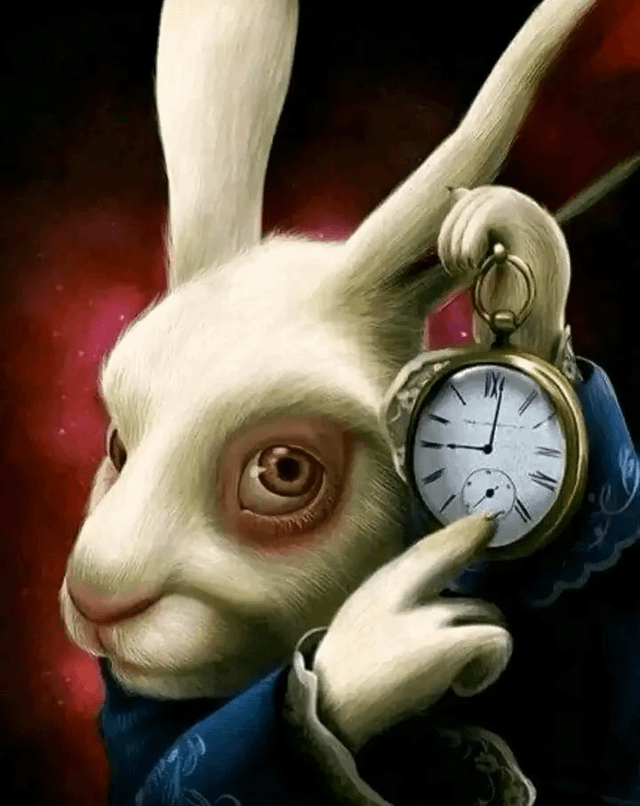
All roads lead to Rome — the White Rabbit meme and Gen Z’s ironic search for meaning and completion

It is a regular, boring and average night at my house, and I am in bed, doomscrolling as always on my phone on Instagram. My eyes are heavy, and my thumb is on autopilot as the lingering thought in the back of my mind says to me, “I should really be going to sleep right… Continue reading All roads lead to Rome — the White Rabbit meme and Gen Z’s ironic search for meaning and completion

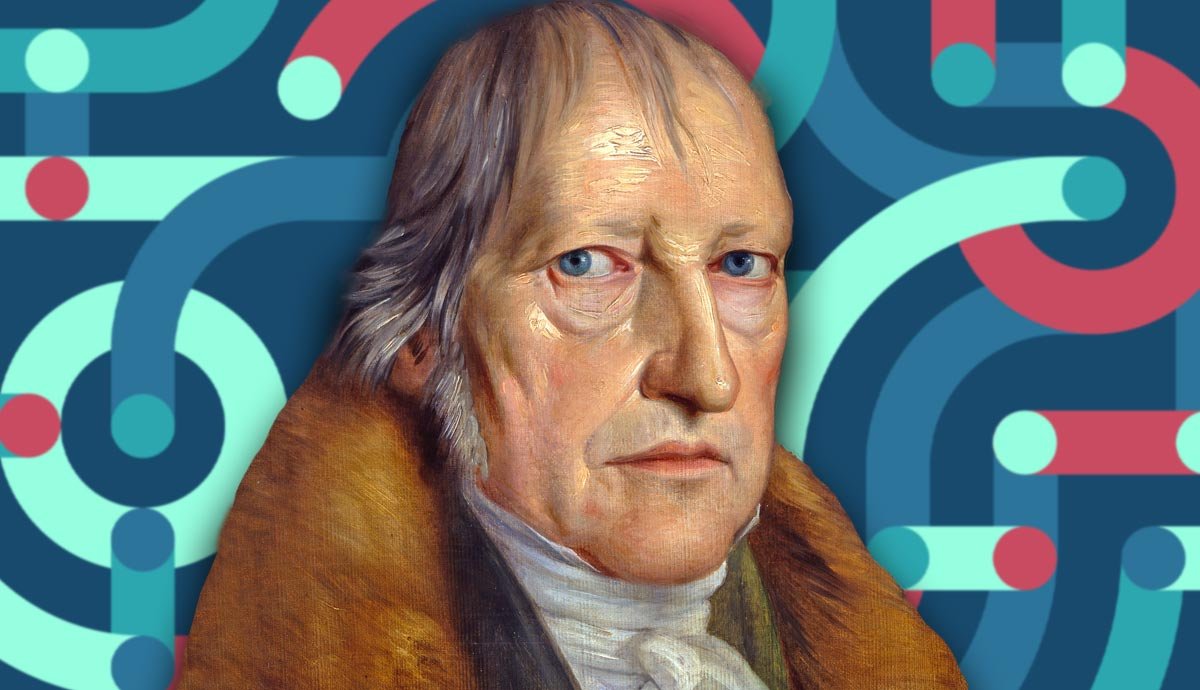
Hegel’s dialectics and Marxism in Europe

Georg Wilhelm Friedrich Hegel (1770–1831) was a German philosopher during the late 18th and early 19th centuries and was key in the development of German idealism. Hegel’s work varies from idealism to the concept of the “Geist”, the philosophy of art and metaphysics. Therefore, Hegel is not easy to read nor is he easy to… Continue reading Hegel’s dialectics and Marxism in Europe

The art of the prince — Machiavelli and the endurance of deception

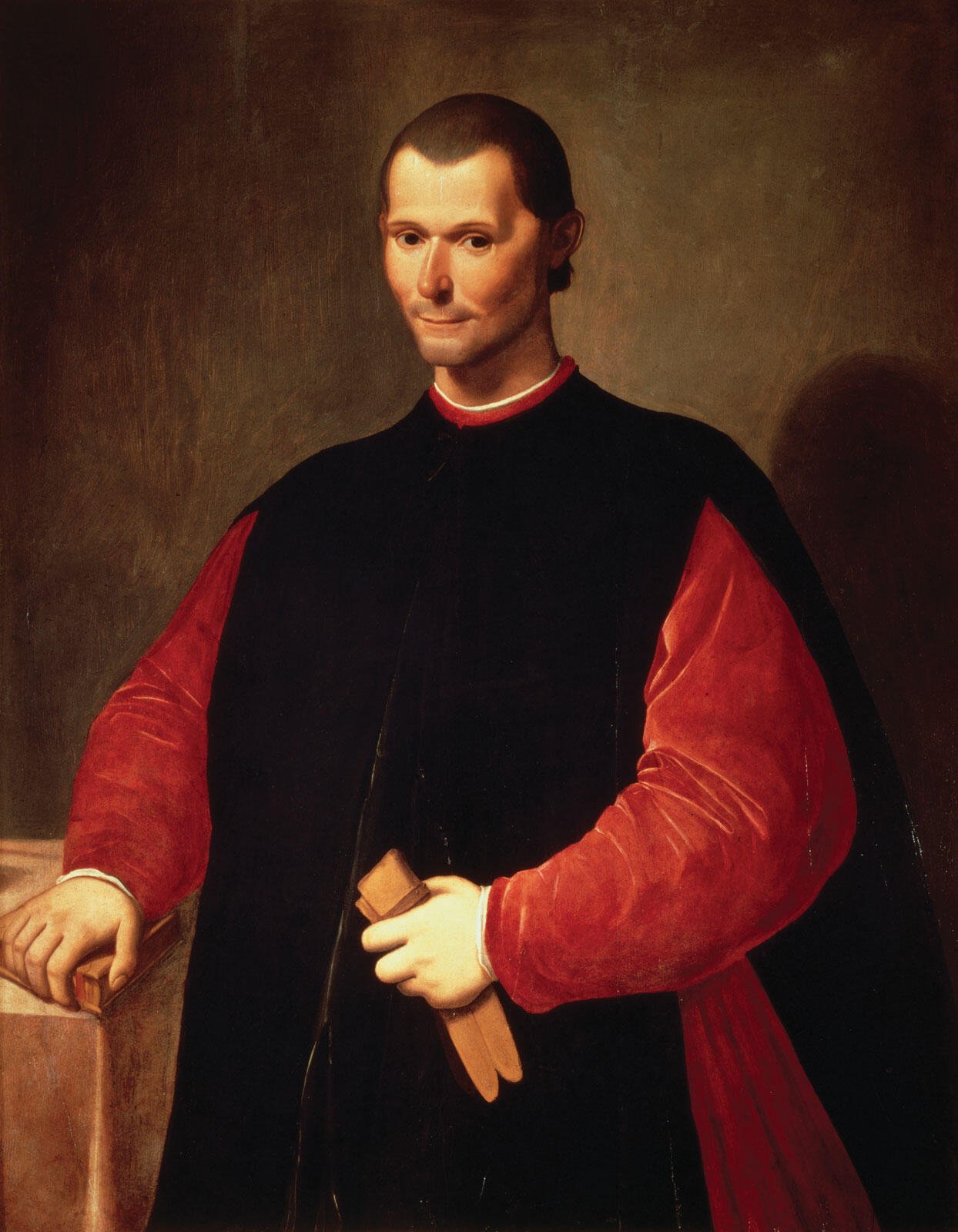
Around the fifth century BCE, in ancient China, one notorious commander declared that “all warfare is based on deception”, and ultimate success purely stems from tactics of evasion and subtlety. The work which this quote has been acquired from, The Art of War, is attributed to Sun Tzu; however, by 1469, the year Niccolò Machiavelli… Continue reading The art of the prince — Machiavelli and the endurance of deception

What it means to love — humanity and artificial intelligence in Klara and the Sun

For as long as we can recall, philosophers, poets and scientists alike have grappled with the seemingly impossible task of defining the essence of love, and as an extension of this the essence of humanity. We now live in a society where technology is entrenched in our everyday lives and the question is taking on… Continue reading What it means to love — humanity and artificial intelligence in Klara and the Sun

Hopper and the art of being alone

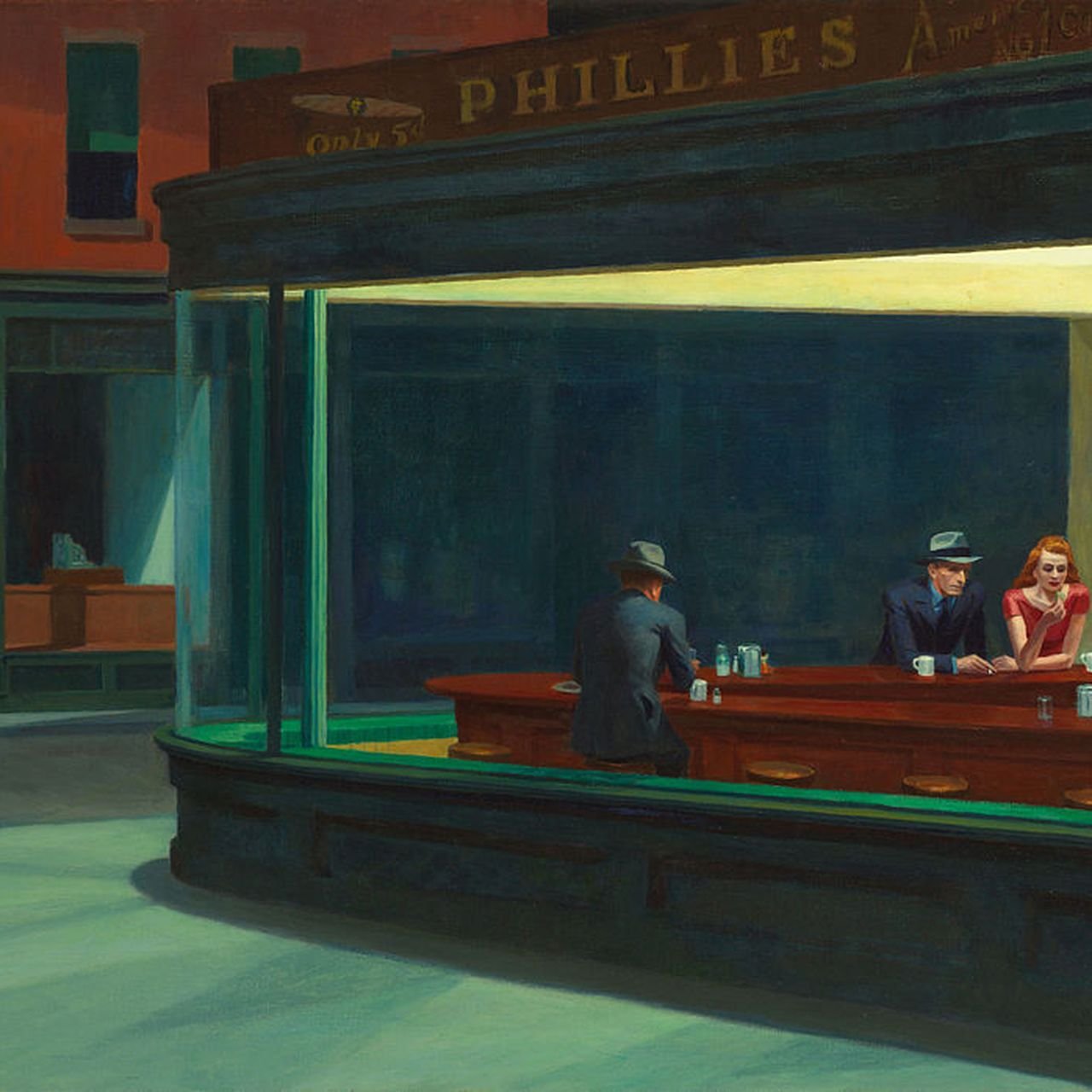
There are nights when the rain sounds like it’s trying to speak to me. It taps on the window in hesitant rhythms, as if unsure whether I’m listening. I slip into my darkroom with a roll of film in my pocket, nothing remarkable, just small moments I wasn’t sure were worth remembering, and close the… Continue reading Hopper and the art of being alone

Ideology, Image and Algorithm

In a society dominated by algorithmic systems, modern audiences encounter content shaped by automated aesthetics. While this is widely acknowledged, what matters is understanding the historical continuity behind this mechanism. There is a clear line connecting ideology, image, and algorithm — a causal chain that brings us into the condition of contemporary modernity.  In Immortality,… Continue reading Ideology, Image and Algorithm

Hobbes and artificial intelligence — the meta-Leviathan

Between the years of 1642 and 1651, the UK was in total turmoil as the Royalist and Parliamentarist forces competed to lead the way for the union’s future. One man, utterly disturbed by the skirmishes resulting in an uncertain future and a death toll of around 200.000, strived to find out how this outcome could… Continue reading Hobbes and artificial intelligence — the meta-Leviathan

Will AI Transform Human Thought?

Artificial intelligence is all the rage at the moment (plus there’s plenty of rage against it too). AI has blown up in popularity in the past couple of years thanks to large language models or LLMs like ChatGPT and Claude along with generative-AI tools such as Sora and Runway. Many naysayers assert AI is used… Continue reading Will AI Transform Human Thought?

How Buddhism’s Concept of The Three Poisons Can Inform Our Current Predicament

In Buddhism, it is taught that the root cause of suffering and rebirth are the three poisons of greed, hatred and ignorance. Buddhism does not teach that humanity will collectively overcome the three poisons but rather they will repeat across time as recurring challenges in the human journey, though Nirvana is the way to ending… Continue reading How Buddhism’s Concept of The Three Poisons Can Inform Our Current Predicament