


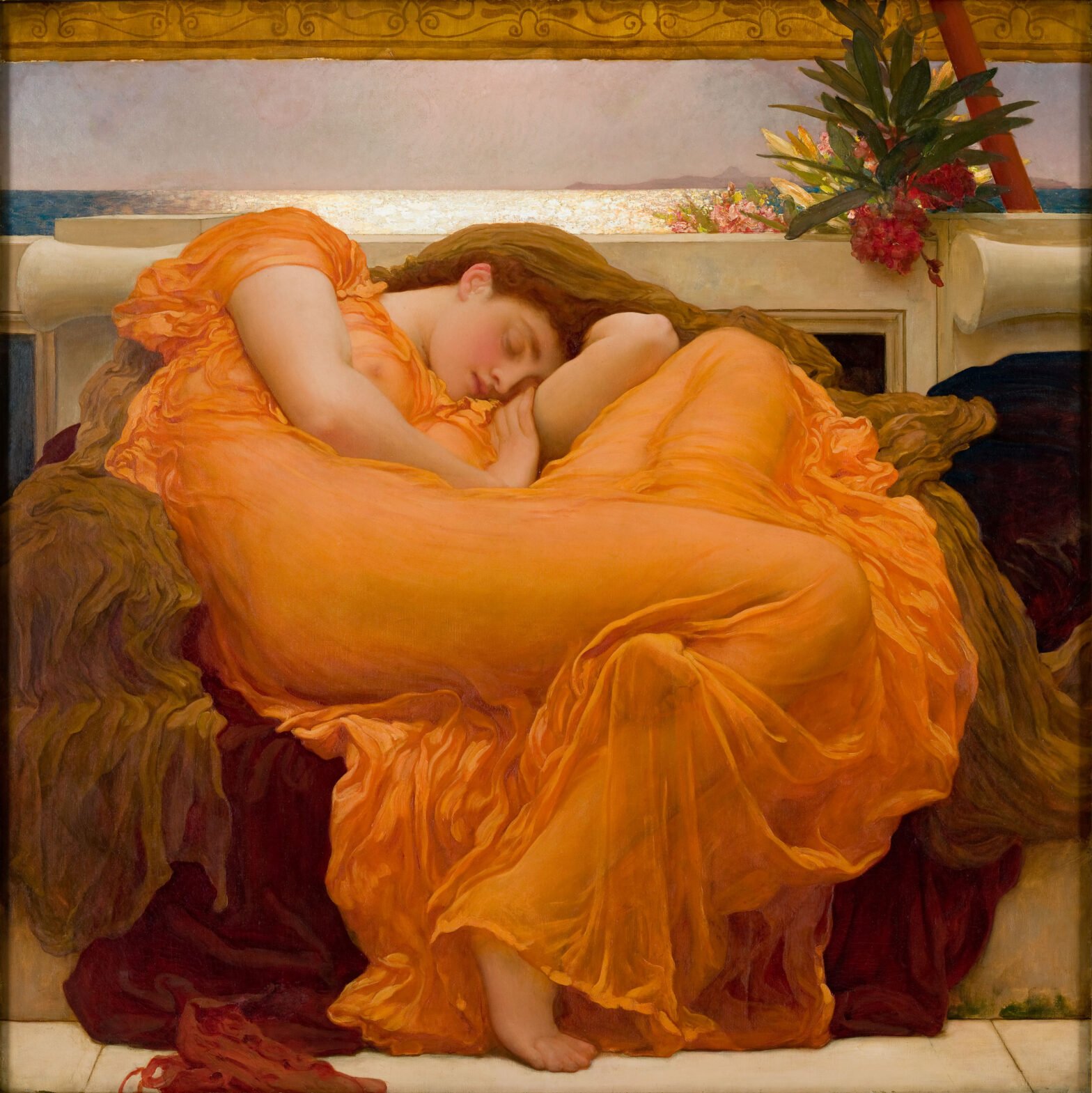
The trouble with Sleeping Beauty — desire, desirability and the unconscious female body

Now displayed in New York’s Metropolitan Museum of Art, Frederic Leighton’s 1895 oil painting Flaming June orbits an unconscious female subject. Against the painting’s calculated — almost architectural — composure, this image of female repose becomes a charged site where sex and sexual desire are insistently inscribed. Leighton choreographs the woman’s body into a carefully… Continue reading The trouble with Sleeping Beauty — desire, desirability and the unconscious female body


What would Betty Friedan make of the 21st-century tradwife?

The alluring title of Betty Friedan’s The Feminine Mystique serves as a successful façade for the book’s rather morose themes. 15 years following her graduation from the all-female Smith College, Friedan constructed a questionnaire for her classmates — now all wives and mothers, but once equally academics. Despite the domestic reverie that had been portrayed… Continue reading What would Betty Friedan make of the 21st-century tradwife?

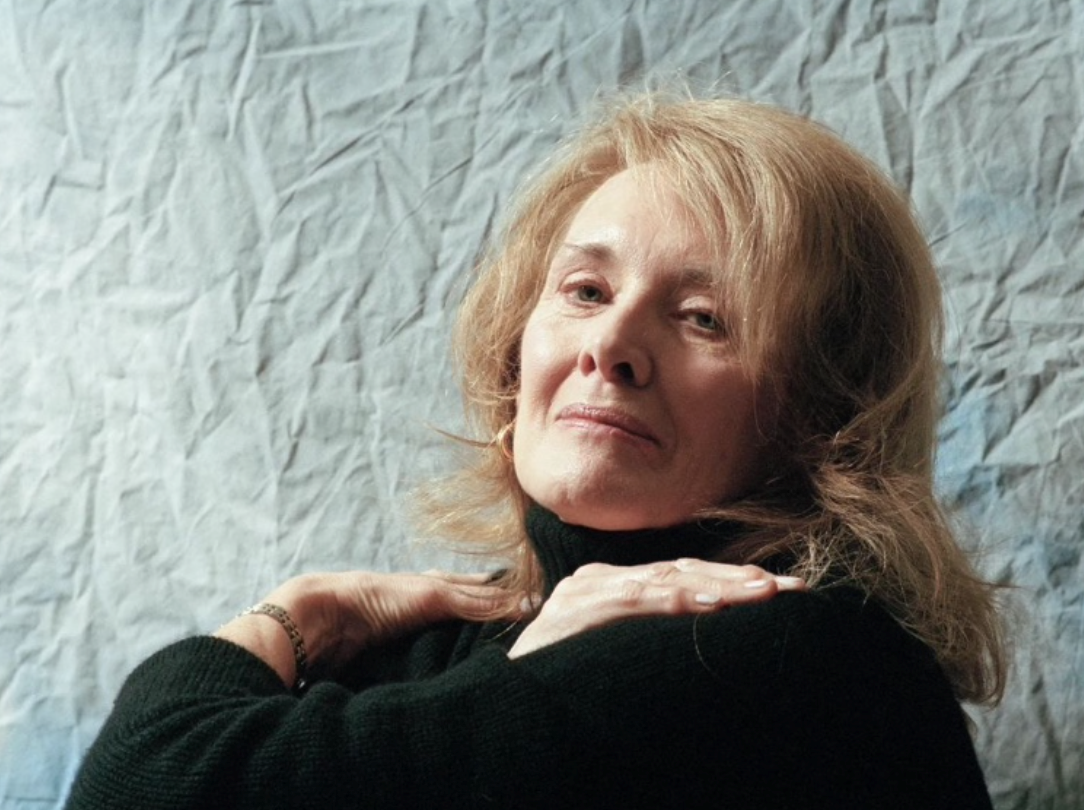
Journey to the self: detangling adolescent desire and conditioned female shame in A Girl’s Story

In A Girl’s Story, Annie Ernaux, in a somewhat self-indulgent practice, recounts her girlhood: all its desire, shame and vulnerability that encircles the years of female adolescence. Ernaux’s creative ability to place herself into the body of her 18-year-old self means reliving sexual and emotional trauma. She divulges into the summer of 1958 when she worked as… Continue reading Journey to the self: detangling adolescent desire and conditioned female shame in A Girl’s Story

Do you really need to read the classics?

“Do I really need to read classics?” – for many years, even despite having majored in literature, my answer would’ve been a simple: “no”. My initial experience with classics was similar to that of many others; they were forced down my throat in high school and made me occasionally question whether I liked reading at all.  Countless… Continue reading Do you really need to read the classics?

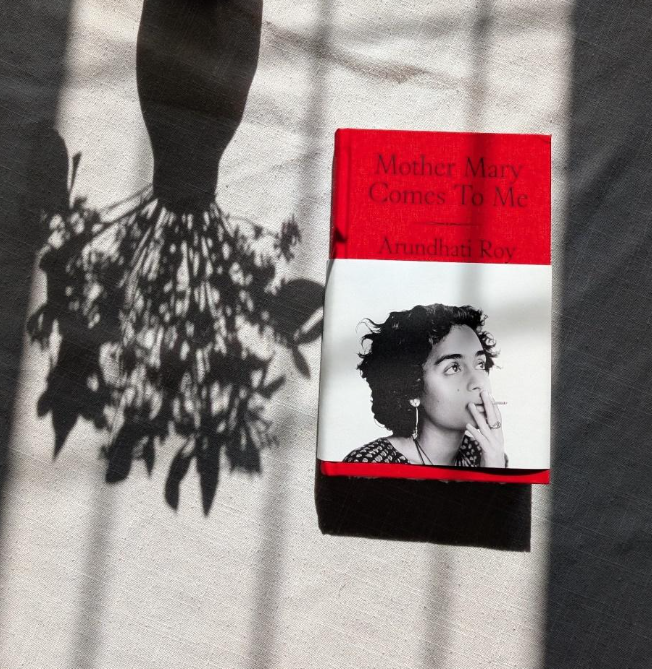
Mother Mary Comes To Me – The Memoir Redefining Motherhood

Part memoir, part obituary-of-sorts dedicated to Arundhati Roy’s late mother, Mary Roy, this somewhat holy yet unorthodox text, Mother Mary Comes To Me, redefines motherhood, all the while reforming the memoir genre. Bound by a ruby red cover and veiled with a half sleeve fashioning Roy’s portraits in young adulthood and now, this text underlines… Continue reading Mother Mary Comes To Me – The Memoir Redefining Motherhood

What It Means to Love: Humanity and Artificial Intelligence in Klara and the Sun

For as long as we can recall philosophers, poets and scientists alike have grappled with the seemingly impossible task of defining the essence of love, and as an extension of this the essence of humanity. We now live in a society where technology is entrenched in our everyday lives and the question is taking on a new… Continue reading What It Means to Love: Humanity and Artificial Intelligence in Klara and the Sun

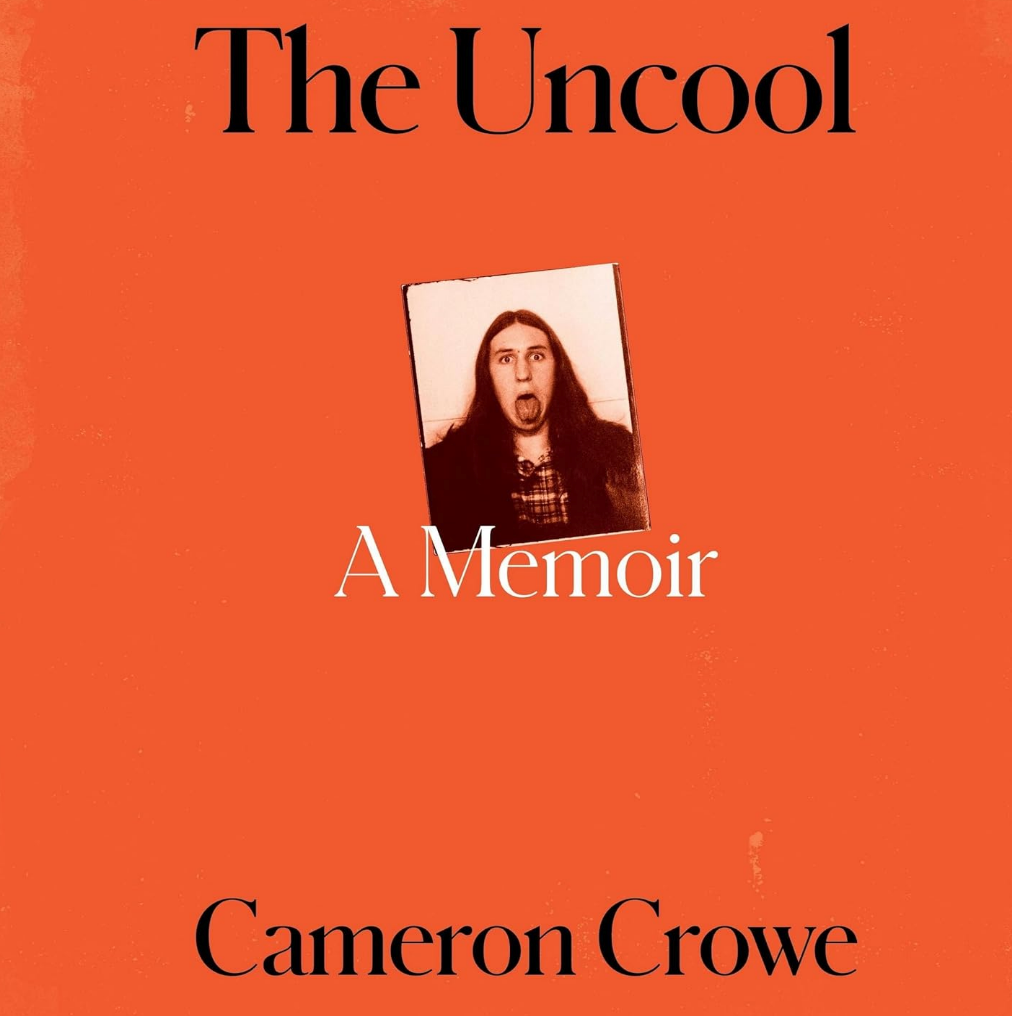
An Elixir of Rock and Roll: Cameron Crowe’s The Uncool Review

As someone who grew up feeling ‘uncool’, whatever that entails, to see Cameron Crowe brand himself with that very title seems paradoxical. Crowe spent his formative years engulfed by his boundless love for music and his passion for music propelled him into the intoxicating world of music journalism in the 1970s, before a successful career as a filmmaker directing hits such as Jerry Maguire and Almost Famous. Whereas, decades later, my love… Continue reading An Elixir of Rock and Roll: Cameron Crowe’s The Uncool Review

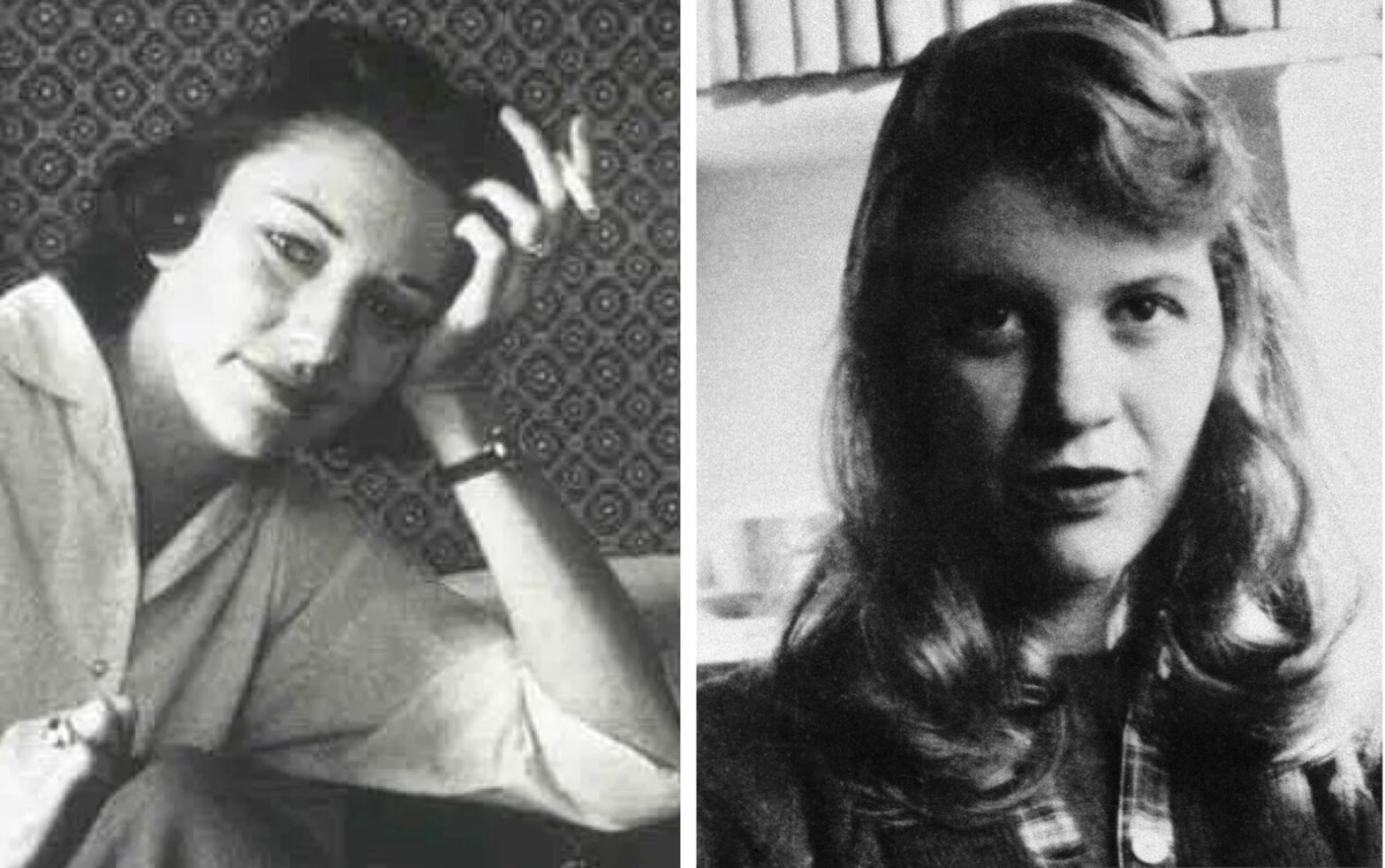
The Womb is a Haunted House: Looking to the Works of Plath and Sexton as a Woman in 2025

“Being born a woman is my awful tragedy.” Sylvia Plath journalled in 1959, four years before her death. “From the moment I was conceived I was doomed to sprout breasts and a womb and to adore men who are the enemies of my kind.”  A year later, in 1960, poet Anne Sexton underwent an illegal… Continue reading The Womb is a Haunted House: Looking to the Works of Plath and Sexton as a Woman in 2025

Why we’re obsessed with Exhausted Women in fiction

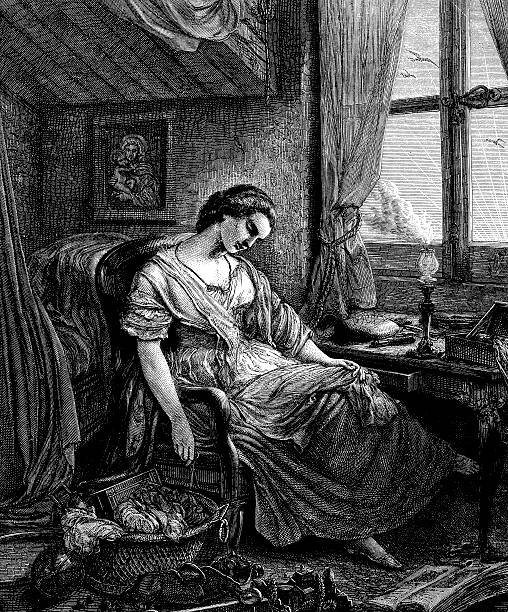
Antique illustration of tired woman resting

Lately, I’ve noticed a pattern in the novels I gravitate toward: the women at the centre of them are exhausted. Not poetically exhausted but clinically, emotionally and sometimes strategically depleted. They’re overworked, undernourished, overstimulated or simply done with pretending life is manageable. But strangely, I find them compelling. Ottessa Moshegh’s narrator in My year of… Continue reading Why we’re obsessed with Exhausted Women in fiction

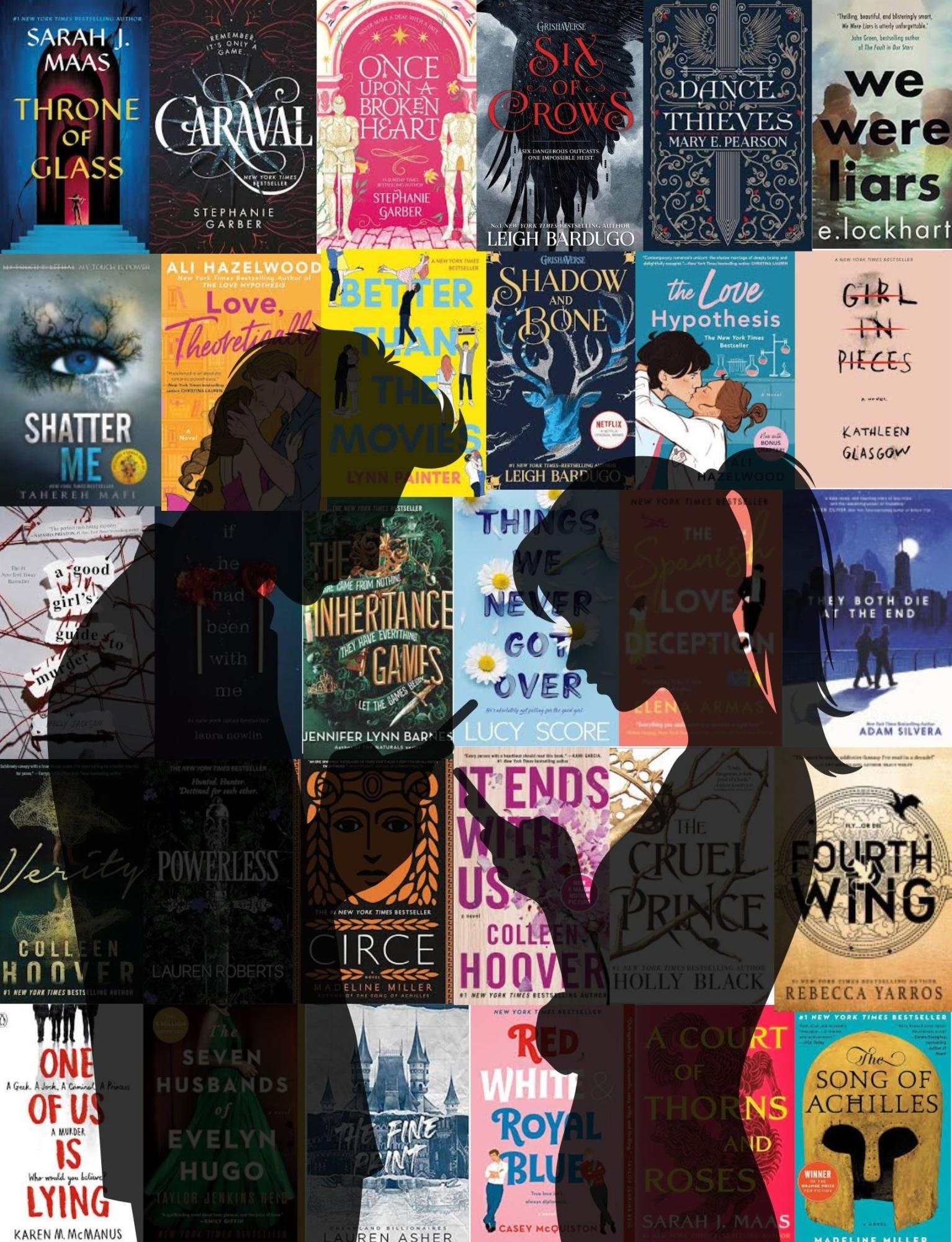
“As Seen on TikTok” – The Epidemic of ‘BookTok’ Literature

TikTok, as an app, and the hobby of reading books have a somewhat complicated affair. They are opposites in many ways, an age-old tradition of stories being told through the written word versus short, easily-consumable and readily available pieces of media with little deeper meaning. TikTok has had an adverse effect on the younger generations’… Continue reading “As Seen on TikTok” – The Epidemic of ‘BookTok’ Literature