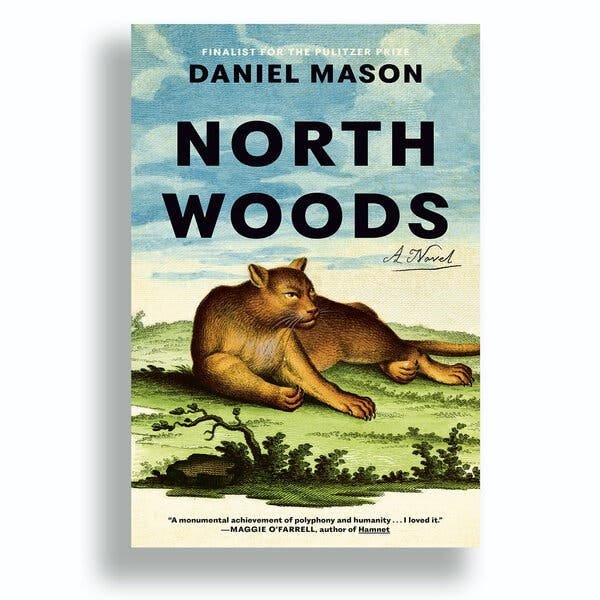
The Second Coming, again and again and again: A Review of North Woods by Daniel Mason

A house in Northern Massachusetts, with its vast and domineering landscape, is the Prime Mover of Daniel Mason’s ecological fiction North Woods. This yellow home, constructed prior to the American War of Independence, from which the natural world unfolds and transforms the lives of its inhabitants. A puritan couple, a passionate apple farmer and his… Continue reading The Second Coming, again and again and again: A Review of North Woods by Daniel Mason

Oscar Wilde’s vision of a better world

Oscar Wilde’s satirical wit and critique of late Victorian society are well-known, but what is often overlooked is his vision of a radically different, more just society—one that he not only believed was possible but also worth striving for. In his political essay The Soul of Man Under Socialism, Wilde laid out his political ideals,… Continue reading Oscar Wilde’s vision of a better world

“As Seen on TikTok” – The Epidemic of ‘BookTok’ Literature

TikTok, as an app, and the hobby of reading books have a somewhat complicated affair. They are opposites in many ways, an age-old tradition of stories being told through the written word versus short, easily-consumable and readily available pieces of media with little deeper meaning. TikTok has had an adverse effect on the younger generations’… Continue reading “As Seen on TikTok” – The Epidemic of ‘BookTok’ Literature

Making it New: William Carlos Williams

Modernism emerged as a cultural force in a world still recovering from the effects of World War 1 and an increasingly industrialised world. Many writers, poets, painters and other creatives sought to reflect a civilization in moral decay, fragmented in its identity. Many of these invoked older traditions in order to subvert and revise them,… Continue reading Making it New: William Carlos Williams

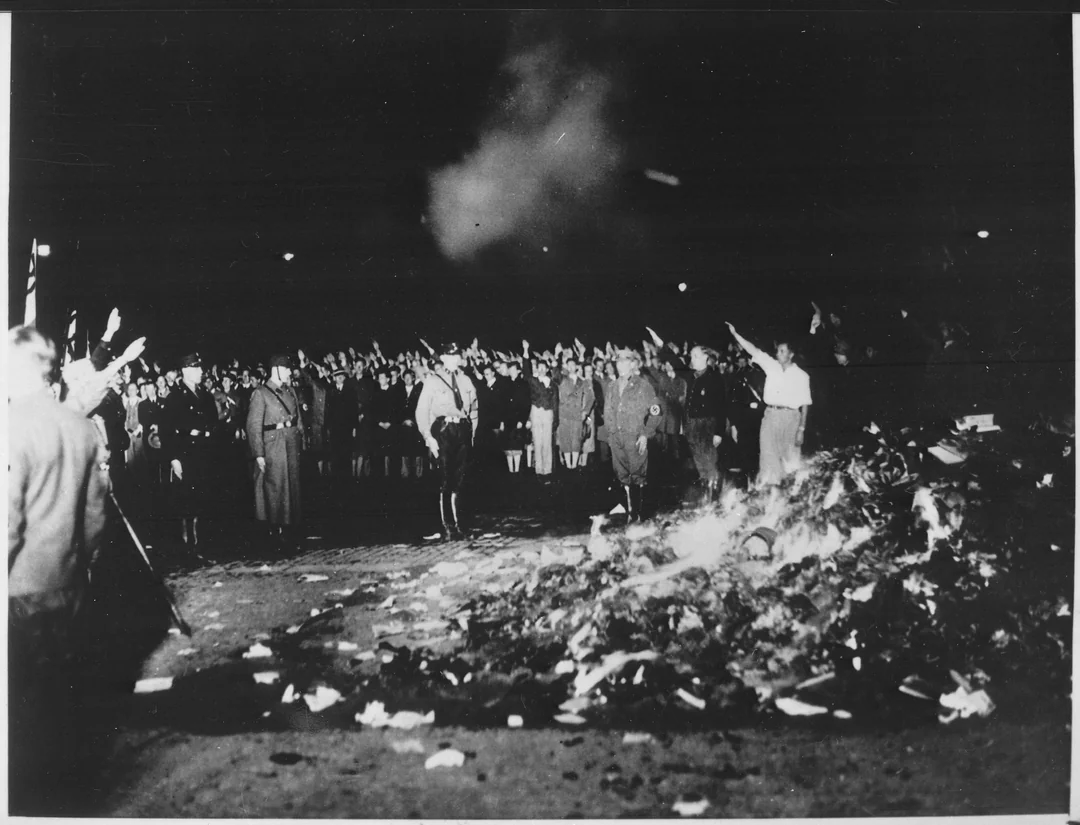
Why fascists burn books: a history of censorship and control

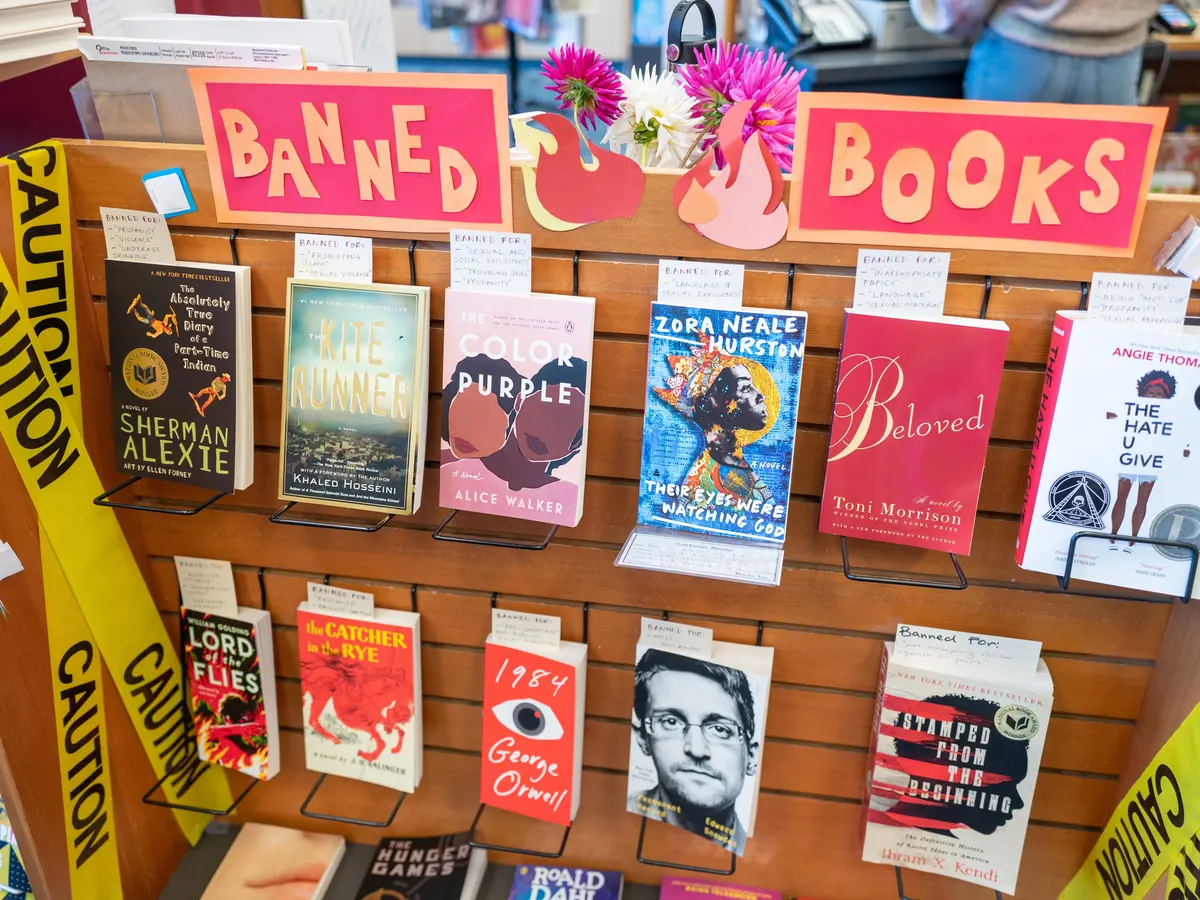
From Nazi Germany to the Pinochet regime in Chile, the burning of books has been a potent symbol of authoritarian control, cultural repression, and the systematic elimination of dissent. While the act of burning books might seem extreme, it is a deliberate and strategic move by fascist regimes to consolidate power and eliminate any threats… Continue reading Why fascists burn books: a history of censorship and control

Pluto Press: a legacy of radical publishing and activism

Founded in 1969 by Richard Kuper, Pluto Press emerged in London as a publishing house committed to challenging dominant political ideologies and fostering activism. Pluto Press quickly gained traction by advocating for Trotskyist and Marxist viewpoints and supporting the broader revolutionary left. Over the years, it has evolved into one of the world’s most influential… Continue reading Pluto Press: a legacy of radical publishing and activism

London Literary Tours: embark on an unforgettable journey through the city’s literary soul

In an age where literature often feels confined to the pages of books and the walls of academia, London Literary Tours emerges as a vibrant antidote. Led by passionate guides Mike Carter and Cindy Lawford, this unique venture invites literary enthusiasts to explore the city through the eyes of its greatest writers, weaving together their… Continue reading London Literary Tours: embark on an unforgettable journey through the city’s literary soul

Frankenstein: how Mary Shelley’s sci-fi classic offers lessons for us today about the dangers of playing God

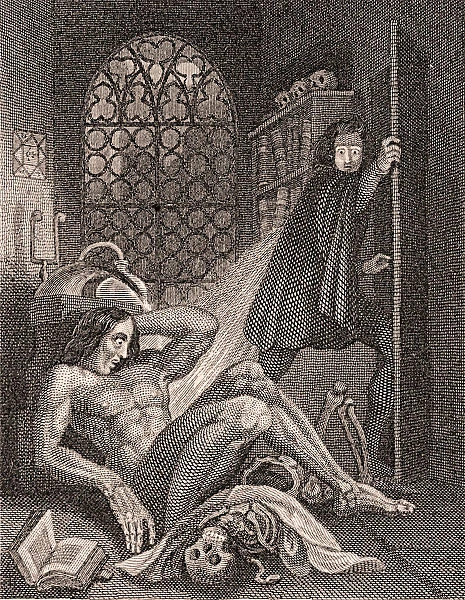
Frankenstein, or, The Modern Prometheus, is an 1818 novel by Mary Wollstonecraft Shelley. Set in the late 18th century, it follows scientist Victor Frankenstein’s creation of life and the terrible events that are precipitated by his abandonment of his creation. It is a Gothic novel in that it combines supernatural elements with horror, death and… Continue reading Frankenstein: how Mary Shelley’s sci-fi classic offers lessons for us today about the dangers of playing God

Is book banning in the US unconstitutional?

Smith Collection/Gado/Getty Images

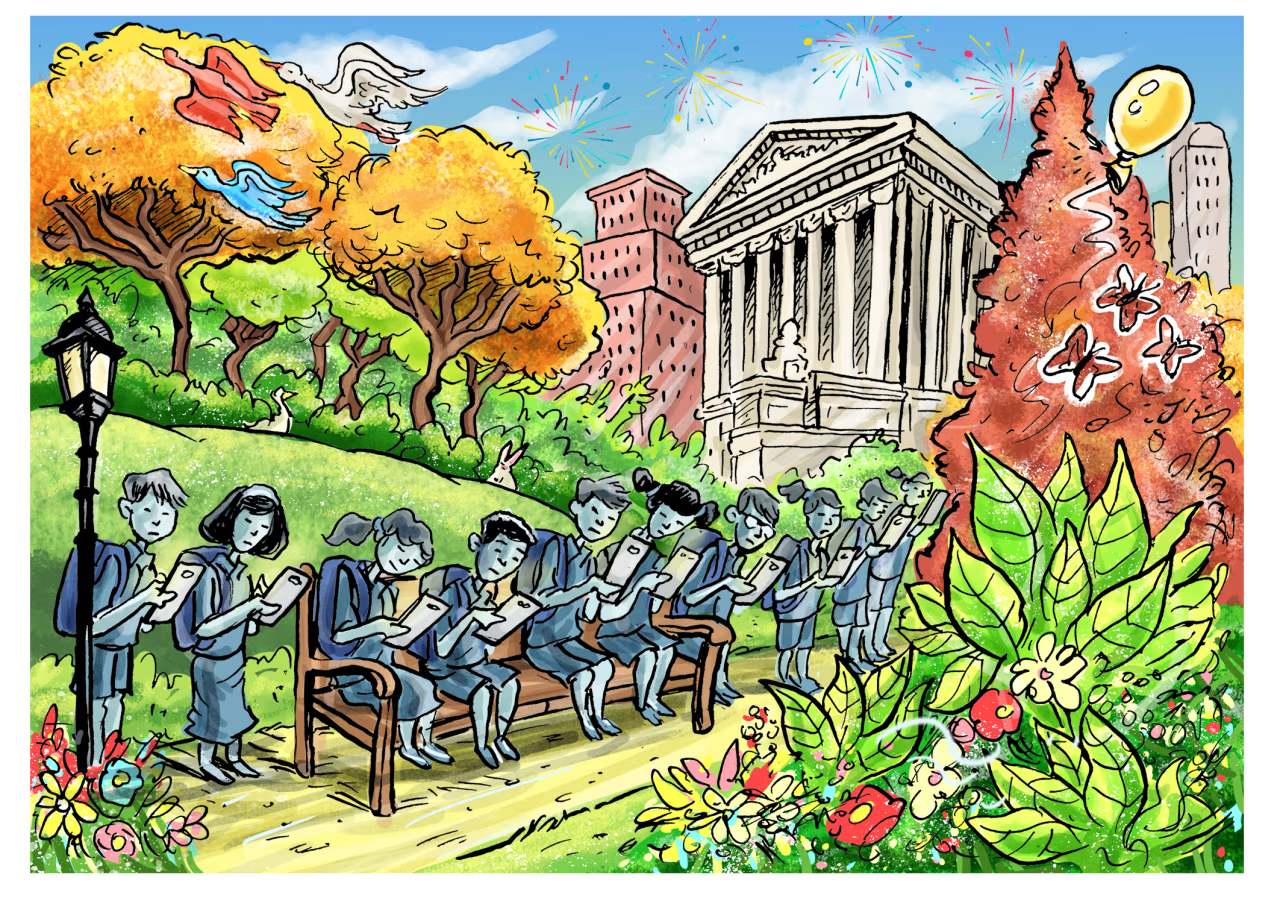
The United States has become a nation divided over important issues in K-12 education, including which books students should be able to read in public school. Efforts to ban books from school curricula, remove books from libraries and keep lists of books that some find inappropriate for students are increasing as Americans become more polarized in their views. These… Continue reading Is book banning in the US unconstitutional?

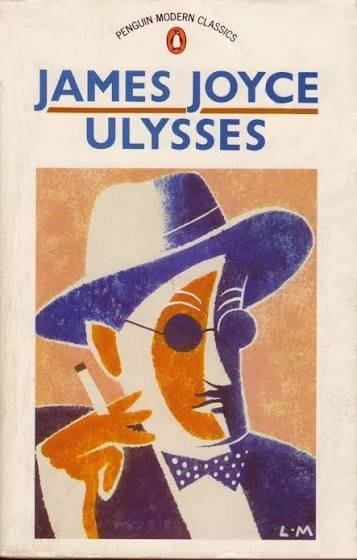
Ulysses at 102: why it was banned for being obscene

{James Joyce Art}

James Joyce’s Ulysses, which turned 102 last February, is now central to the literary canon and features on university literature courses around the world. However, it was not always as revered as it is now. In fact, it was banned as obscene before it was first published as a complete novel, regarded as a work… Continue reading Ulysses at 102: why it was banned for being obscene