






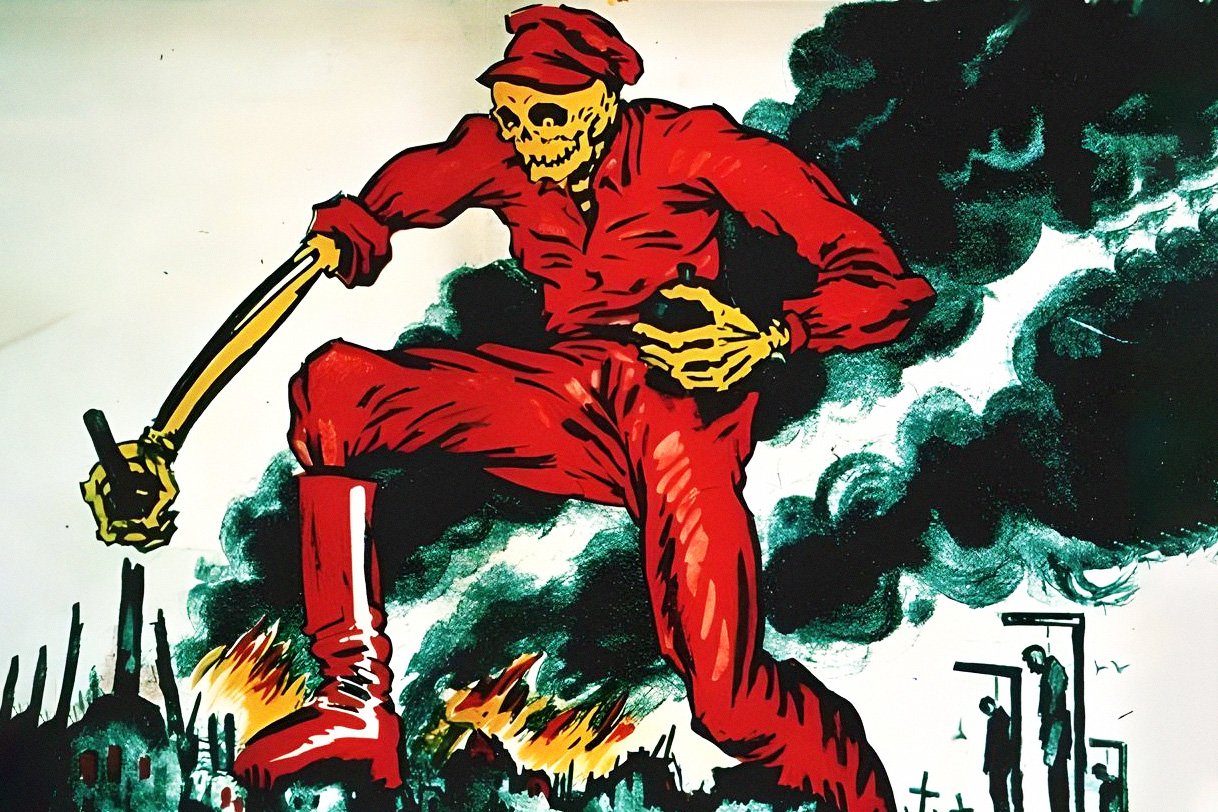
You’re not in the manosphere—you’re a Marxist

Watching the Louis Theroux documentary, apart from the obvious shock of hearing slurs and misogynistic remarks so loudly and thoroughly that you might think these manosphere men and society as a whole are doomed, I couldn’t help but see a blaring subliminal message behind all of the offensive noise. The manosphere wasn’t just incel aggression… Continue reading You’re not in the manosphere—you’re a Marxist


The trouble with Sleeping Beauty — desire, desirability and the unconscious female body

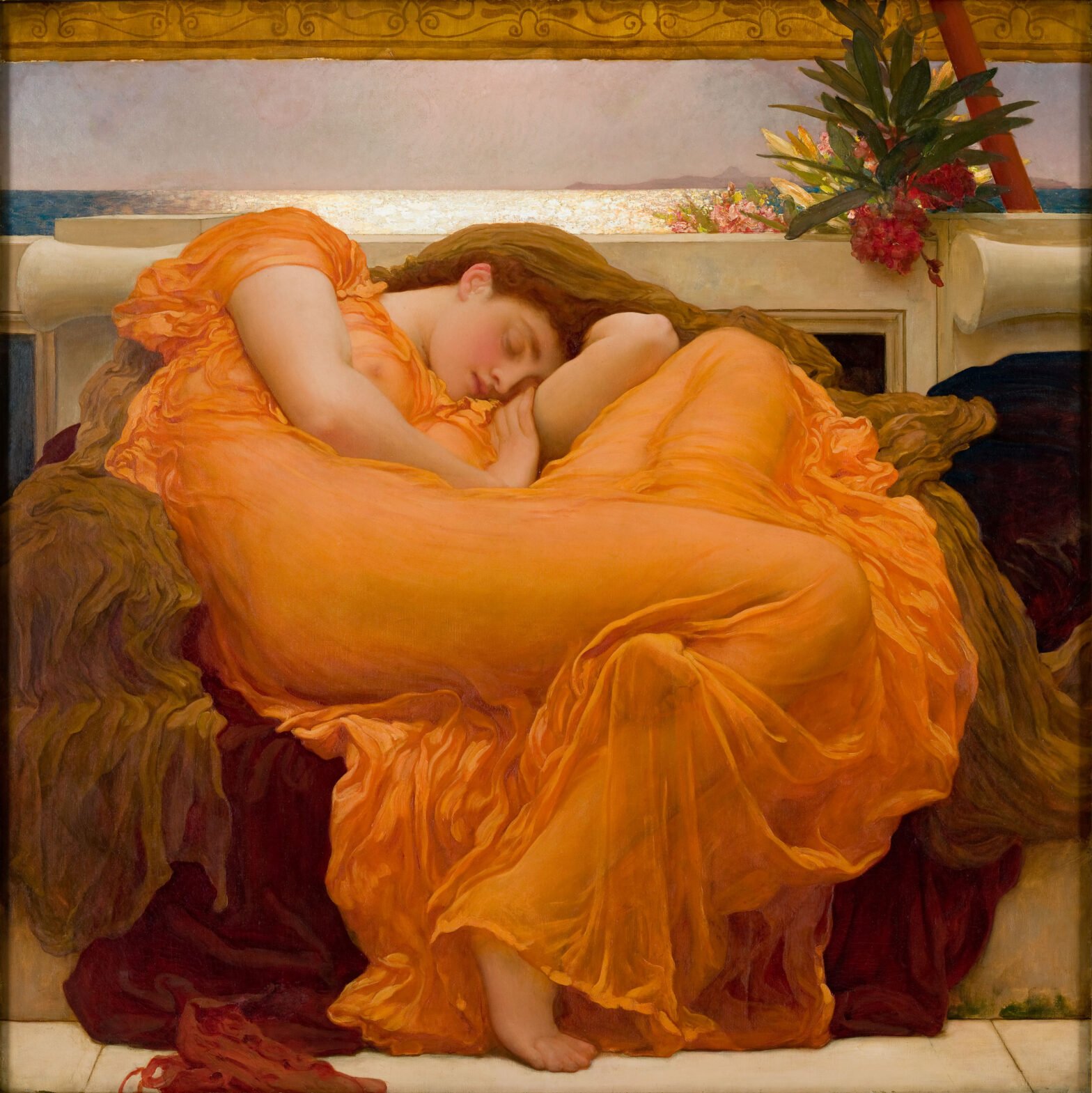
Now displayed in New York’s Metropolitan Museum of Art, Frederic Leighton’s 1895 oil painting Flaming June orbits an unconscious female subject. Against the painting’s calculated — almost architectural — composure, this image of female repose becomes a charged site where sex and sexual desire are insistently inscribed. Leighton choreographs the woman’s body into a carefully… Continue reading The trouble with Sleeping Beauty — desire, desirability and the unconscious female body

She’s a witch — influential women, mysticism and reversing misogynistic narratives in music

As early as the 14th Century, a woman exhibiting signs of sexual confidence, prosperity or self-expression was deemed inherently evil. An excerpt from 1486’s Malleus Maleficarum — perhaps the most notorious “witch hunter’s manual” — reads: “All witchcraft comes from carnal lust, which is in women insatiable… What else is a woman but a foe… Continue reading She’s a witch — influential women, mysticism and reversing misogynistic narratives in music

What would Betty Friedan make of the 21st-century tradwife?

The alluring title of Betty Friedan’s The Feminine Mystique serves as a successful façade for the book’s rather morose themes. 15 years following her graduation from the all-female Smith College, Friedan constructed a questionnaire for her classmates — now all wives and mothers, but once equally academics. Despite the domestic reverie that had been portrayed… Continue reading What would Betty Friedan make of the 21st-century tradwife?

Blessed are the obedient — women, worship and the architecture of conformity

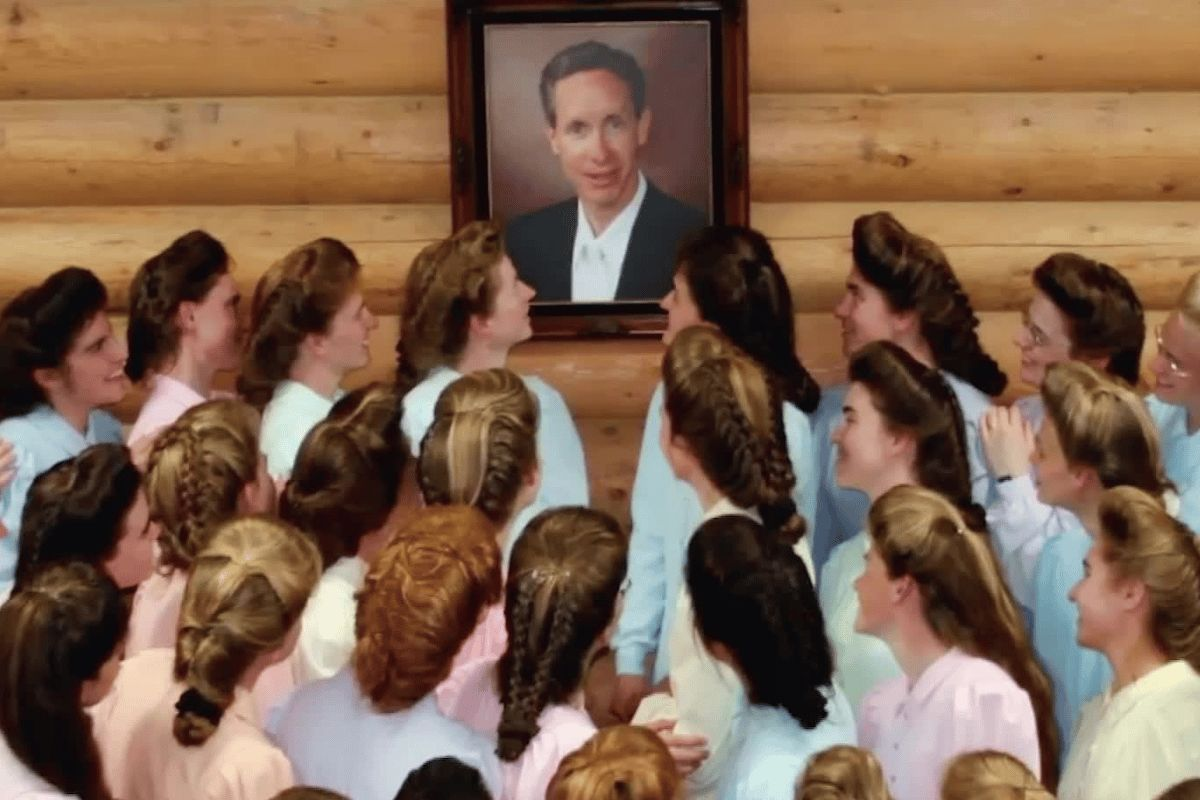
“A woman should learn in quietness and full submission. I do not permit a woman to teach or to assume authority over a man; she must be quiet.” — 1 Timothy 2:11–12 There is something almost admirable in the efficiency with which religion has managed, across time and geography, to persuade women to defend systems… Continue reading Blessed are the obedient — women, worship and the architecture of conformity

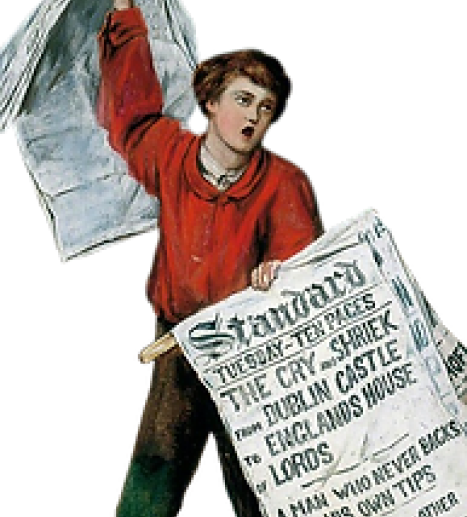
Who Gets Laughed At: Speech, Power and the Limits of “Inclusion”

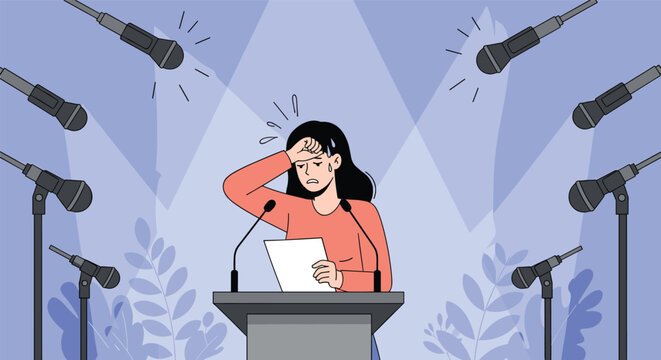
We live in the age of performative inclusion and the political destruction of DEI. Newsrooms, late-night shows and political figures discuss the impact and relevance of diversity, equity and disability rights as casually as a morning routine. And yet some of the most ordinary forms of difference: speech patterns; remain fair game for mockery. The… Continue reading Who Gets Laughed At: Speech, Power and the Limits of “Inclusion”

Colonialism on Crack

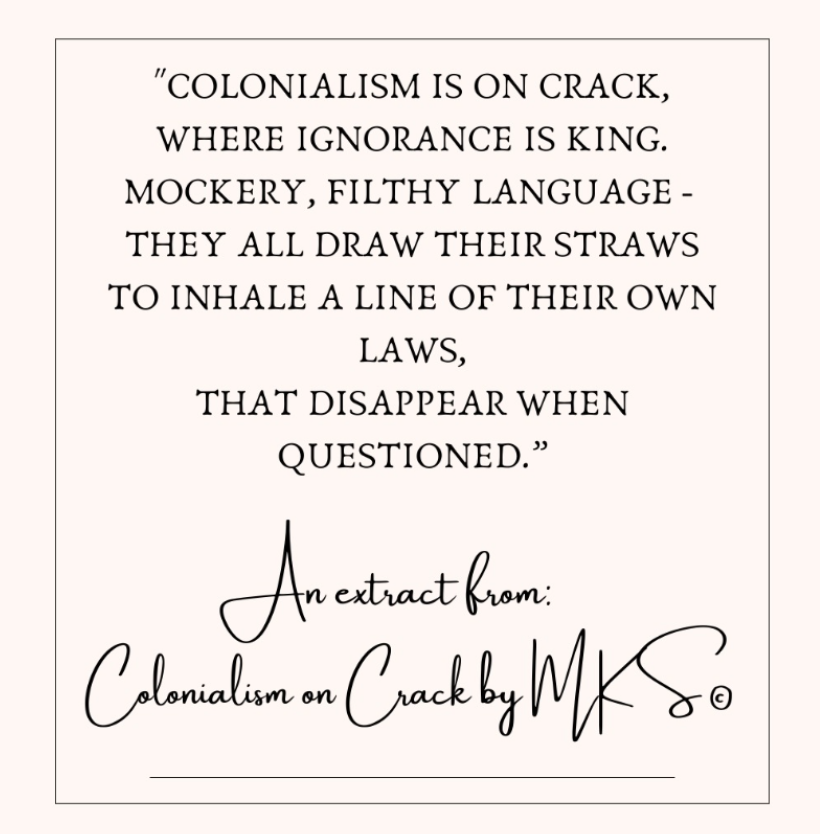
The superficiality when you may hear, “Can I have a chai tea matcha latcha latte,” is almost as superfluous as the exaggeration sounds. Of course, this is a hyperbolic extension of the real issue; one culture idealised and “Westernised” to become nothing more than a simplified idea with a complete loss of meaning (at least it might… Continue reading Colonialism on Crack

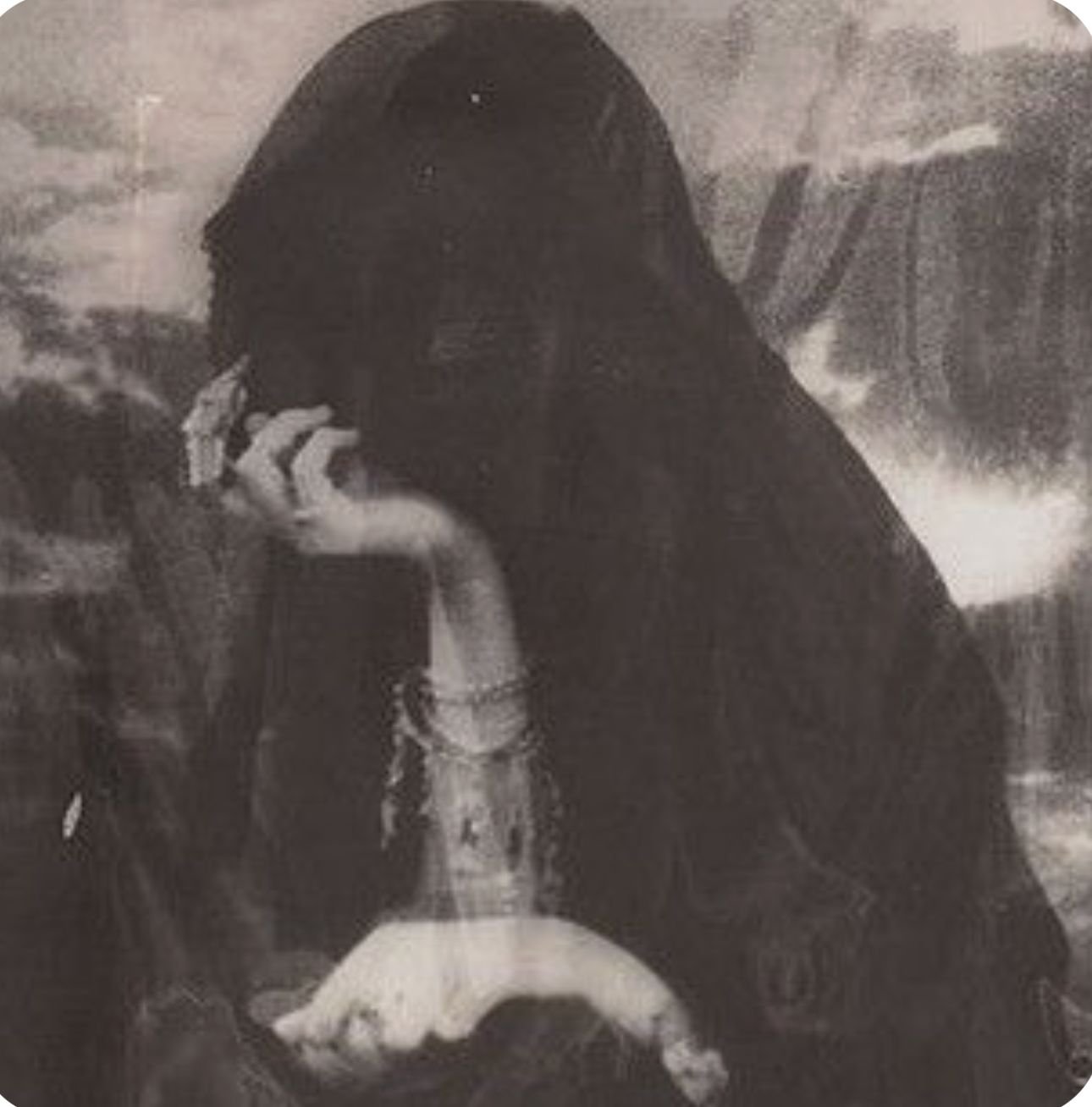
“You’re just sex gone sour” A commentary on the Dawah Brothers and their war on Hijabis

This infamous quote from 1984 is uttered by Julia when she offers the most critical evaluation of the psychology behind ‘The Party’s’ manipulation tactics. When Winston ponders why the people around him are so fervent with their zealous marching and obedience towards Big Brother,  Julia exposes their passion and infatuation as simply “sex gone sour”. … Continue reading “You’re just sex gone sour” A commentary on the Dawah Brothers and their war on Hijabis

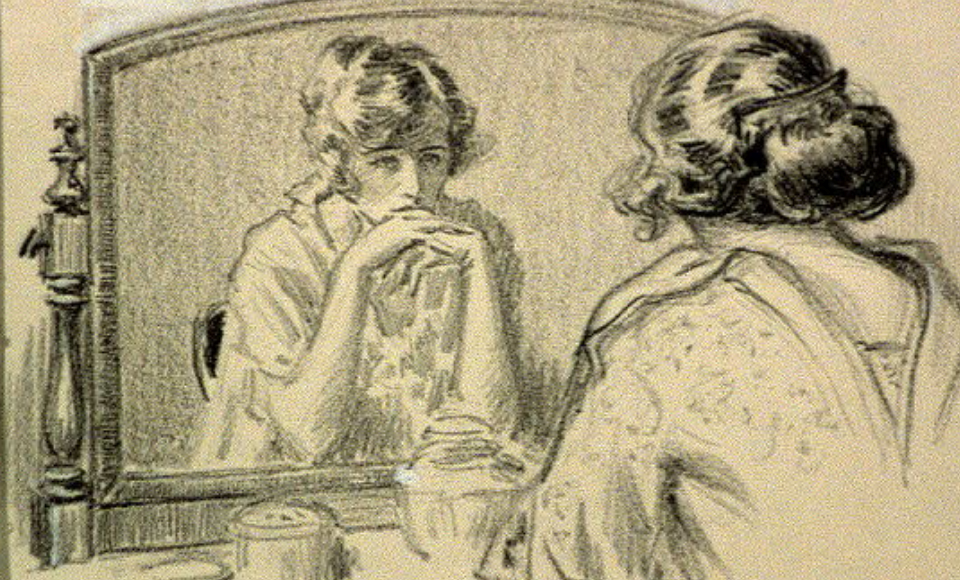
The Womb is a Haunted House: Looking to the Works of Plath and Sexton as a Woman in 2025

“Being born a woman is my awful tragedy.” Sylvia Plath journalled in 1959, four years before her death. “From the moment I was conceived I was doomed to sprout breasts and a womb and to adore men who are the enemies of my kind.”  A year later, in 1960, poet Anne Sexton underwent an illegal… Continue reading The Womb is a Haunted House: Looking to the Works of Plath and Sexton as a Woman in 2025

Sexual Liberation or Exploitation? 

In the 1995 cult-classic film, Before Sunrise, the main character Celine says: “You know, I have this awful paranoid thought that feminism was mostly invented by men so that they could, like, fool around a little more. You know, women, free your minds, free your bodies, sleep with me.” Although I am strongly opposed to applying… Continue reading Sexual Liberation or Exploitation?