

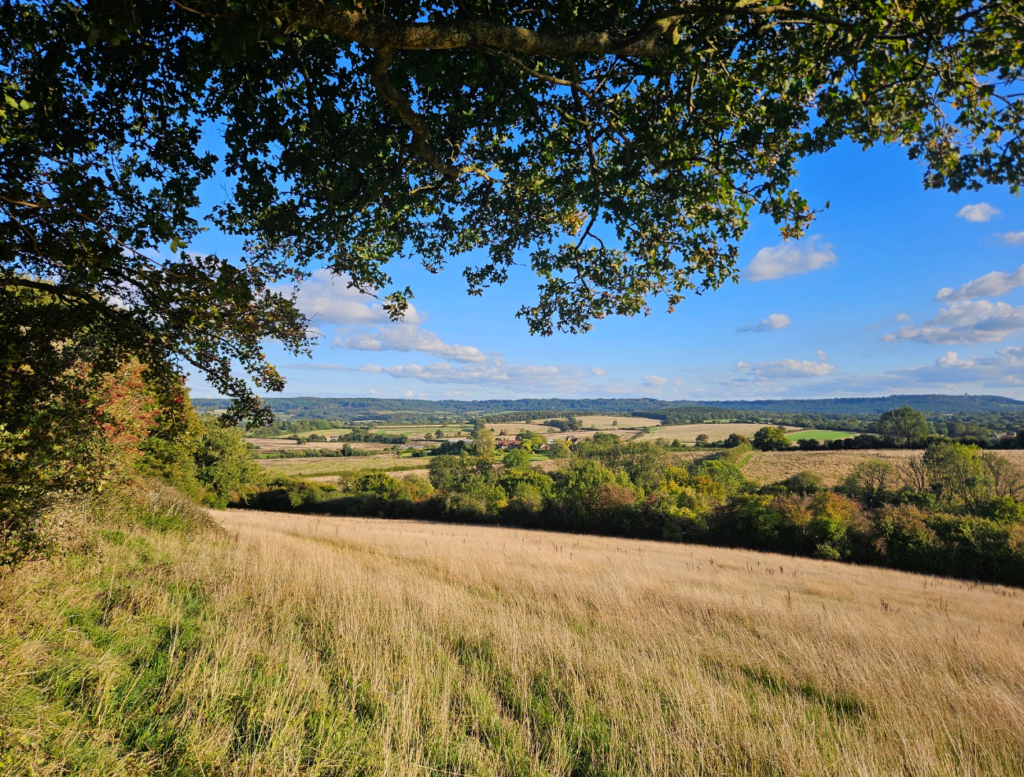
While the UK’s biodiversity crisis remains severe, nature charity Heal Rewilding believes rewilding offers an important source of hope – not only through the return of wildlife and ecological processes, but through the creation of living landscapes where people can reconnect with nature and witness recovery happening in real time.
The UK is among the most nature-depleted countries in the world, with significantly reduced biodiversity, ranking in the bottom three per cent for biological intactness (the health of our ecosystems). Healthy, biodiverse ecosystems help regulate water flows, store carbon and maintain good soil structure, all of which increase resilience to climate extremes like flooding and heatwaves. When biodiversity declines, soils lose organic matter and stability, reducing their ability to absorb water and support crops – ultimately weakening both climate adaptation and food production.
While these challenges are often considered separately, improving the health of nature can address multiple environmental issues simultaneously.
Heal works to help nature recovery, climate action and wellbeing. Their aim is to raise money to buy ecologically depleted land and rewild it – giving land back to nature, forever, and taking direct action to tackle the climate and ecological crises and reconnect people with nature, which the charity will achieve through the rebuilding of wildlife populations, community involvement and storytelling.
Giving space back to nature means much more than a new way of using land – rewilding has become a synonym for hope, a source of light in a dark pit of anxiety and helplessness many people feel about the decline in nature. It is a means of reversal and a reason for optimism. Our work is a wellspring of passion and energy around acting in the face of the environmental and climate emergencies.
Heal’s first nature recovery site in England
Launched in March 2020 as the UK’s first charity dedicated to being a rewilding landowner, Heal acquired their 460-acre foundation site, Heal Somerset, in December 2022, which is open for free access to the public 50 weeks a year.
“Nature will only recover if it has more space to thrive and we join a growing number of landowners across the UK who are now making that happen,” said Jan Stannard, co-founder and CEO of Heal Rewilding. “The potential for nature to bounce back at Heal Somerset is huge and we’re already seeing exciting changes developing after just a few years.”
Their goal is a Heal site in every English county, with a second site planned in Yorkshire. Sites will also bring economic benefit to communities, creating new jobs and attracting investment into the locality.
Engaging with the local community
Heal’s belief is that rewilding should benefit both people and planet. They are dedicated to ensuring that the work we do involves and benefits communities. It is a human right that everyone should be able to access natural spaces – but for many people this is a privilege. Heal’s aim is to identify and overcome both visible and invisible challenges to spending time in nature, and through doing so, improve people’s health and wellbeing.
The chairty wants rewilding to be accessible to everyone so that all individuals can experience the wellbeing benefits that nature provides. By collaborating with the local council, community networks and charities, our community engagement programme at Heal Somerset has developed relevant and inclusive opportunities that can bring about transformative change to people’s lives. These co-developed plans and opportunities not only maximise the benefit to people but also foster a deeper involvement and embed the charity in the community.
“The journey has already been extraordinary” said Julia Galbenu, Heal’s Community Engagement Manager. “We’ve seen people living with dementia relax as they listen to birdsong, groups struggling with their mental health find moments of calm and connection and teenagers with special educational needs become captivated by wildlife footage from our camera traps. Time and again, we’ve seen how meaningful experiences in nature can spark curiosity, confidence and joy, often in ways that continue long after the visit itself.”