

Cape Town is famous for its great white sharks, but a new terror has surfaced in the shallows.
In the world’s first major outbreak of the disease among marine mammals, 11 seals in South Africa have tested positive for rabies. The discovery has turned the city’s beloved coastline into a potential biohazard zone.
Gregg Oelofse, head of coastal management at Cape Town council, described a recent surfing trip where a seal appeared in the lineup. Usually a welcome sight, this time “everyone was paddling as fast as they could to get away”.
The panic is justified. In June 2024, a single seal attacked three surfers within minutes near Muizenberg Beach. One surfer reported that a “little seal” made a beeline for him, tore a hole in his wetsuit and “kind of bit me on the backside”. Unfinished, the animal then began to chew on his surfboard.
The aggression is not isolated. At Clifton Fourth Beach, one of the country’s most popular spots, actress Loulou Taylor — known for her role in Raised by Wolves — sustained six bites from a seal in 2023.
Taylor posted a picture to Instagram of the Jaws poster with a seal edited in place of the shark. While she initially ascribed the aggression to neurotoxins from an algae bloom, the diagnosis was far darker: rabies.
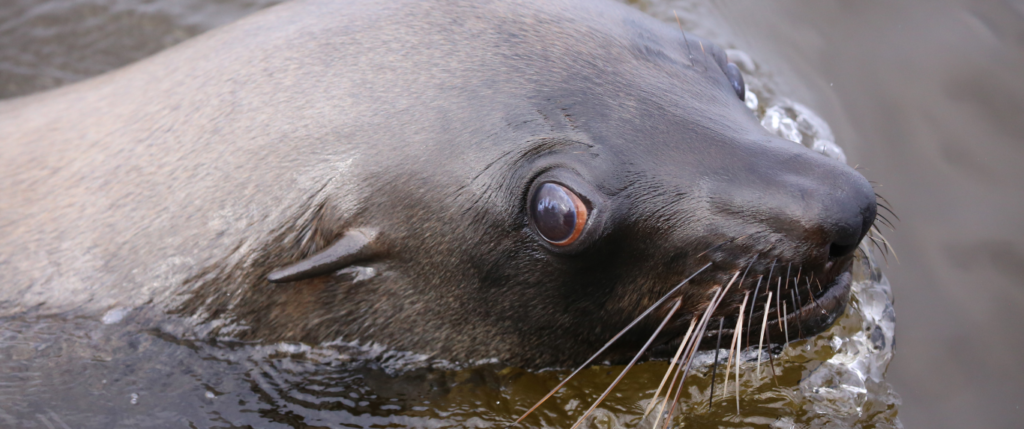
The behavior of the infected animals is straight out of a horror movie. Jami Marnitz, an operator of snorkelling trips, told the TV programme Carte Blanche that rabid seals foamed at the mouth, had “cherry-red, evil eyes” and followed their targets relentlessly.
This marks a terrifying shift. Oelofse’s team first noticed a spike in seal aggression late in 2021. Working with Sea Search and the Society for the Prevention of Cruelty to Animals (SPCA), they began testing carcasses.
Rabies was initially considered a remote possibility; before this, the only known case of a rabid seal occurred in the Svalbard islands off Norway in 1980.
Experts believe the virus likely jumped to the seal population via a bite from a rabid dog or jackal. While rabies is widespread in southern African wildlife, it has never established itself in the ocean — until now.
The risk of rapid spread is high. There are two million seals along the coastline from southern Angola to Algoa Bay. Dr Greg Hofmeyr, a marine biologist with 32 years of experience, noted that seals live in extremely dense colonies where fights are commonplace. Since rabies is transmitted through saliva, a colony is the perfect breeding ground for infection.
For humans, the stakes are lethal. There is no cure for rabies once symptoms appear. If untreated, the disease is almost 100% fatal.
Despite “quite a few” people sustaining bites from rabid seals, Oelofse notes that, miraculously, no humans have yet been infected. He suggests that the salt water in the seals’ mouths might lessen the viral load, washing away the virus before it enters the bloodstream.
Authorities are not taking chances. Lifeguards and shark spotters have been ordered to close beaches immediately if an aggressive seal is spotted.
The public has been urged to keep dogs leashed and maintain distance. While a relaxed seal is likely safe, signs of infection include convulsions, a lack of fear and unprovoked aggression.
If bitten, the advice is non-negotiable: seek medical attention immediately. Vaccination within 24 hours is the only way to ensure survival.
As Oelofse warned, the days of playful interactions are over. Seals and surfers mix every day, and with the virus circulating, the ocean has become a much more dangerous place.