Clandestine Magazine

Magazine

AFFAIRS

culture

ABOUT CORRESPONDENCE TEAM

Rethinking the Anthropocene — what Australia’s First Nations knowledge teaches us about climate justice


The age of humans or the age of forgetting? The Anthropocene marks a proposed new chapter in Earth’s history, one where human activity has become the planet’s dominant geological force. The term comes from anthropocentrism, the belief that humans stand at the centre of existence, seen as “superior to nature and… animals, plants… resources that… Continue reading Rethinking the Anthropocene — what Australia’s First Nations knowledge teaches us about climate justice

The fight against the climate crisis must not increase inequalities

As the impact of climate change on communities increases, researchers are concerned about growing inequalities. The most recent report by the Intergovernmental Panel on Climate Change (IPCC) stresses the importance of one aspect that is too often neglected by local action on climate change: considering the question of inequalities. Studies show that the people, communities… Continue reading The fight against the climate crisis must not increase inequalities

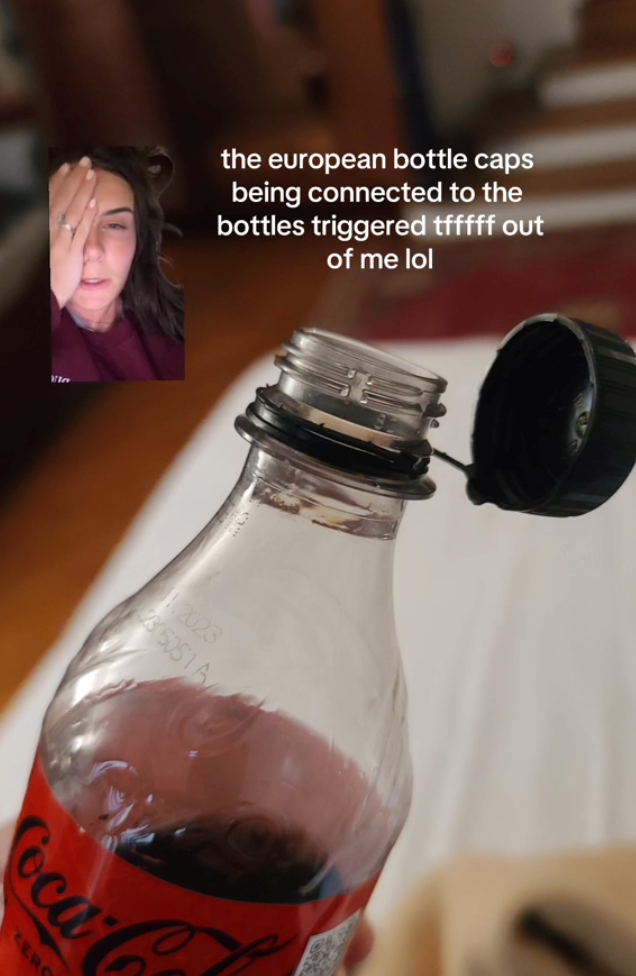
Why plastic bottles now have their caps attached

You may have bought a drink recently and noticed something odd — the once removable cap is now tethered to the bottle by a small strip of plastic. An EU directive was enacted in July, requiring that all single-use bottles have caps that remain attached. This is one of several policies designed to limit the… Continue reading Why plastic bottles now have their caps attached

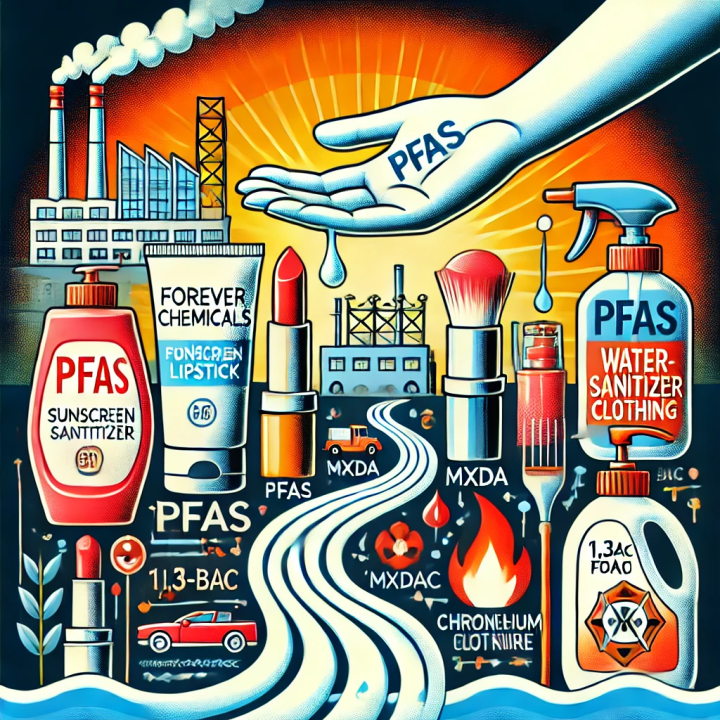
New technologies could help destroy persistent “forever chemicals”

Scientists and engineers are developing new ways to destroy per- and polyfluoroalkyl substances (PFAS) efficiently and sustainably. This class of chemicals is known as “forever chemicals” because PFAS persist and accumulate in the environment, animals and our bodies. PFAS have been used for decades to make everything from firefighting foam, packaging, waterproof clothes and non-stick… Continue reading New technologies could help destroy persistent “forever chemicals”

Electric vehicles will start to cut emissions and improve air quality in our cities — but only once they’re common

The first electric car (1832)

Electric vehicles (EVs) are often seen as the panacea to cutting emissions — and air pollution — from transport. Is this view correct? Yes — but only once uptake accelerates. Despite the recent boom in EV purchases, they are still a tiny minority of the cars on the road. We would get more immediate benefit… Continue reading Electric vehicles will start to cut emissions and improve air quality in our cities — but only once they’re common

A word on global warming

So, where does this vicious cycle take us? Since 1970 the bellowing echo haunting billionaire corporations and oil companies concerning the future of the planet has mass-accumulated generations of voices. Before the internet became so prominent, forms of manipulation were regularly used to discard accusations of harmful usage of the planet’s resources. The facade of… Continue reading A word on global warming

Swimmers to return to the Seine for the first time in a century

The section of the Seine running through Paris garnered unusually good headlines in 2009 when salmon were caught there for the first time in decades. The river, polluted by industry since the beginning of the 20th century, boded well for Paris’s ecological recovery and since swimming has been formally banned in the river since 1923,… Continue reading Swimmers to return to the Seine for the first time in a century

How sign language is changing in response to climate change

It used to be that when deaf people wished to discuss “carbon footprint” or “greenhouse gases”, there was a necessity to spell out long complicated scientific terms, one letter at a time. Now, however, they are some of the 200 scientific terms related to the environment granted new official signs in British Sign Language (BSL).… Continue reading How sign language is changing in response to climate change