Clandestine Magazine

Magazine

AFFAIRS

culture

ABOUT CORRESPONDENCE TEAM

The Odyssey — Nolan’s colossal adaptation shows that the oldest voyages still chart our course

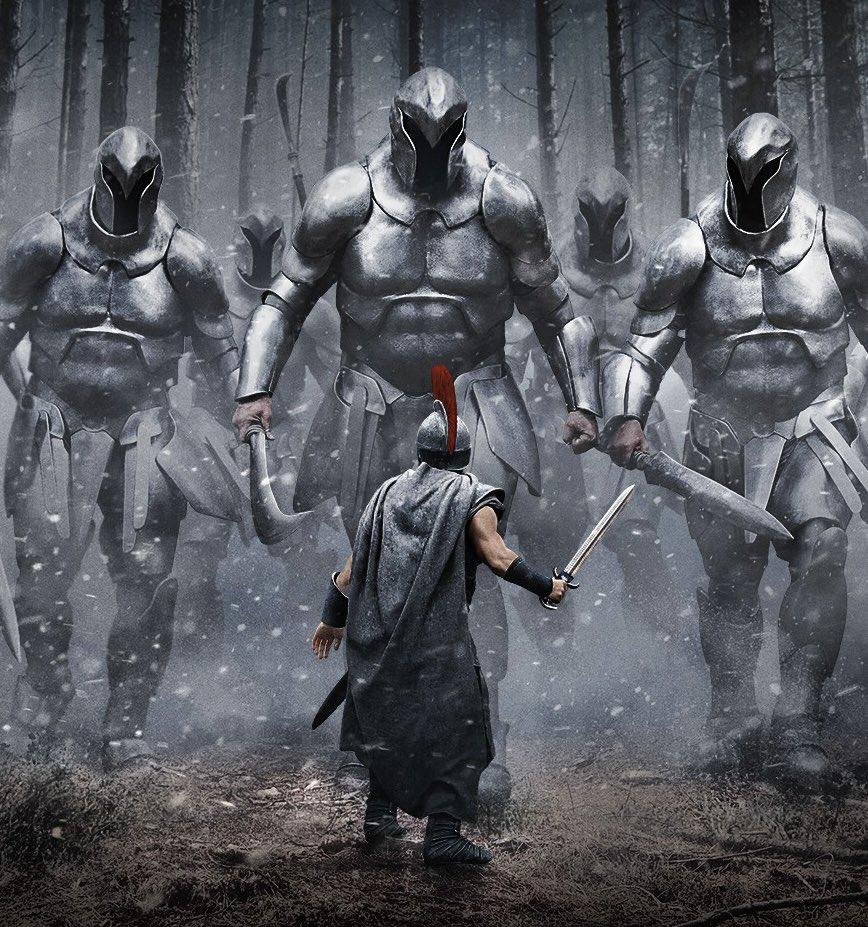
There are few stories Hollywood laps up more than the myth of reinvention. Every year, the same well-worn narrative is dolled up once more in louder soundtracks, larger budgets and glistening visual effects, each promising to curate a better film than the last. Yet somewhere between endless franchise sequels, the concept of retelling has become… Continue reading The Odyssey — Nolan’s colossal adaptation shows that the oldest voyages still chart our course

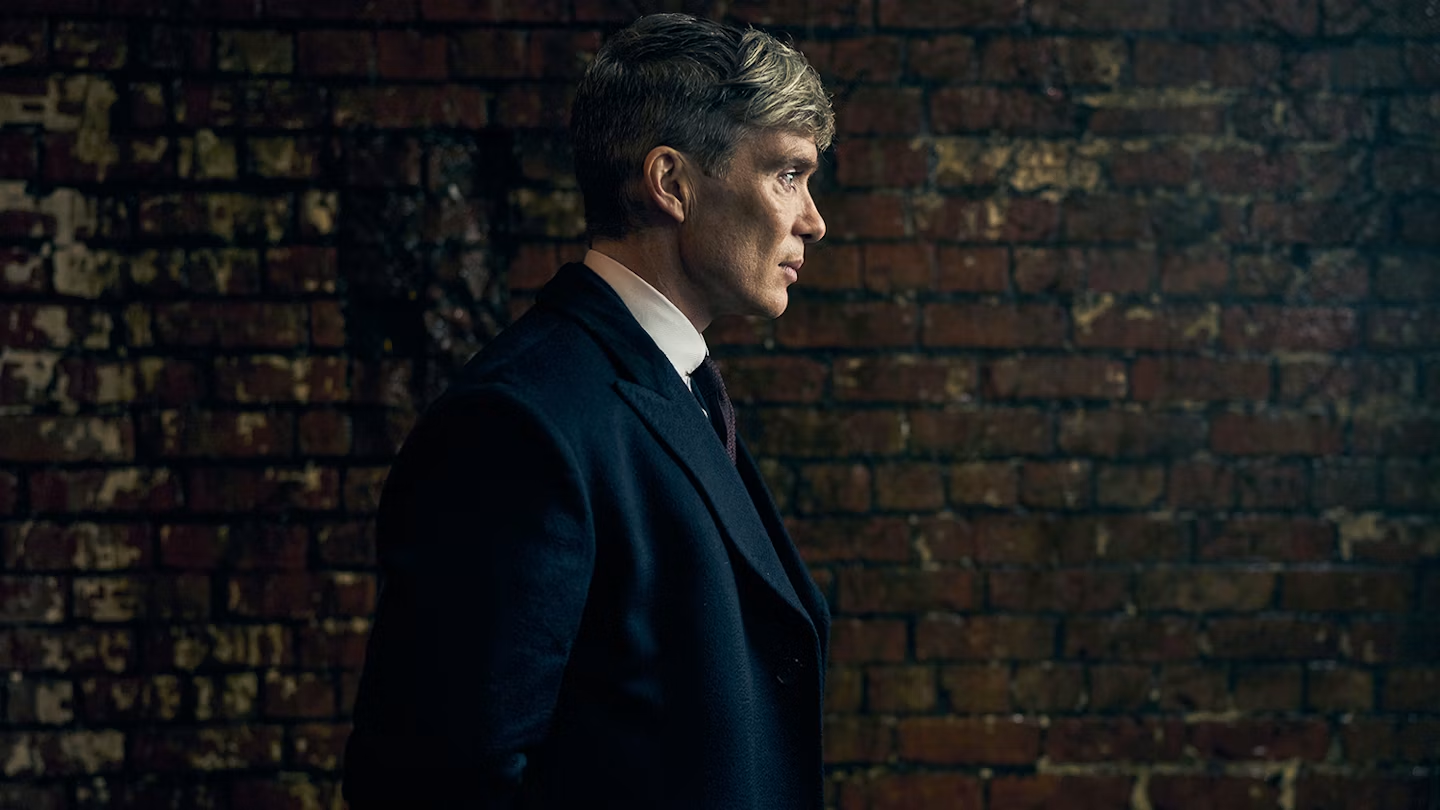
The complexity and reality of mortality of the Peaky Blinders

I walked out of The Immortal Man grieving a character that never existed. The film beautifully presents us with the unwrapped gift of death. Of confrontation. Of full realisation. The immigrant circle of life, so to speak. And yet even with the finality of Tommy’s mortality, we as an audience are left with a sadness… Continue reading The complexity and reality of mortality of the Peaky Blinders

The violence we understand vs the violence we refuse to see in cinema

There is something inherently human about our obsession with violence. From gladiators battling it out before excited amphitheatres to streaming platforms soaked with true crime documentaries, courtroom frenzies and psychologically distorted antiheroes, society has always strove to refurbish brutality into narrative. Stories, after all, are often constructed as tools through which we examine grief, justice… Continue reading The violence we understand vs the violence we refuse to see in cinema

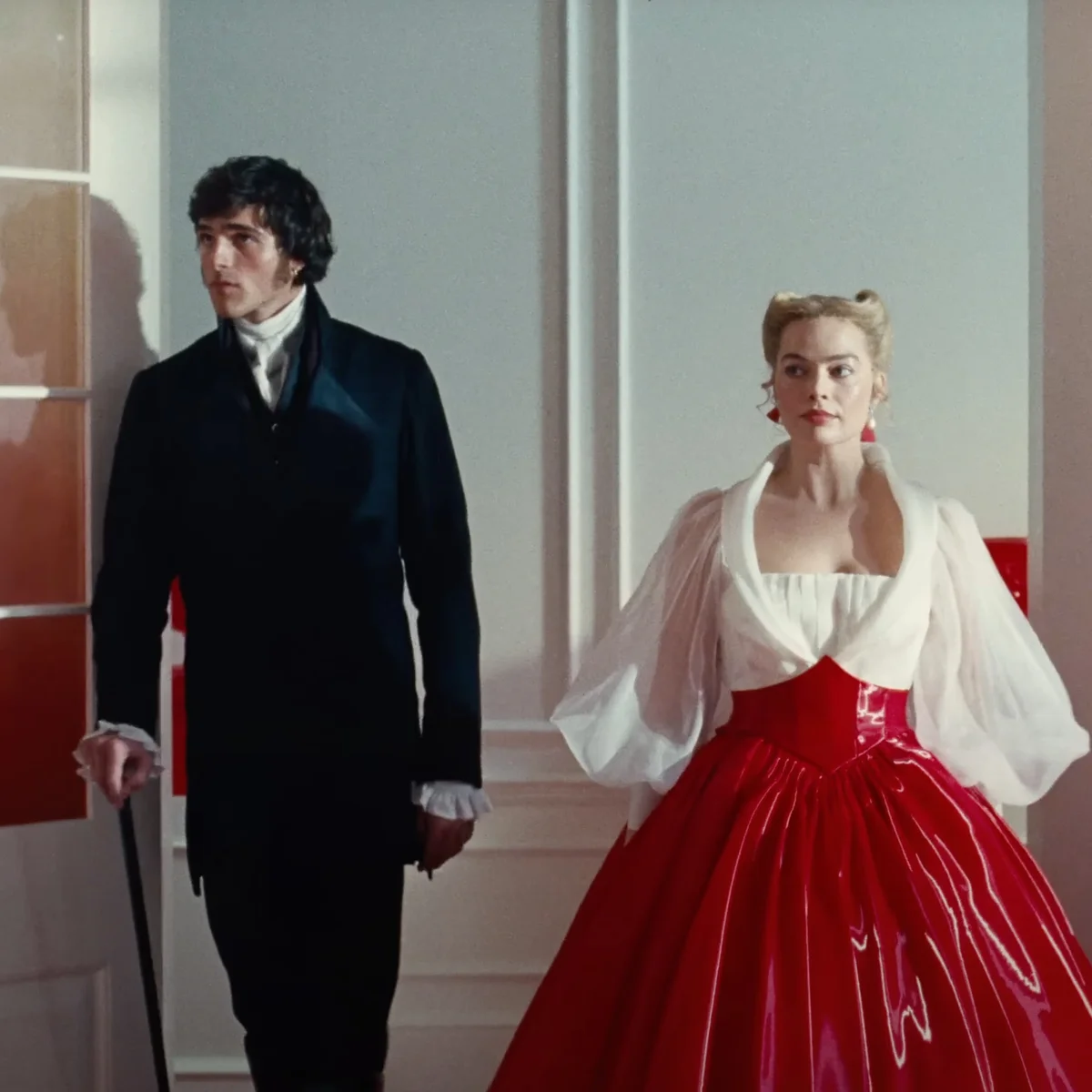
Emily Brontë’s Gothic masterpiece — why the Emerald Fennell adaptation fails to capture the heart of the moors

Book adaptations have always divided opinion, especially with texts as well-loved and hotly debated as Emily Brontë’s masterpiece, Wuthering Heights. Over the years the classic tale of the tempestuous relationship between Heathcliff and Catherine has seen countless film, TV and theatre incarnations, and has even been immortalised in song by the inimitable Kate Bush. Unsurprisingly,… Continue reading Emily Brontë’s Gothic masterpiece — why the Emerald Fennell adaptation fails to capture the heart of the moors

The return of the Gothic — a negotiation of humanity

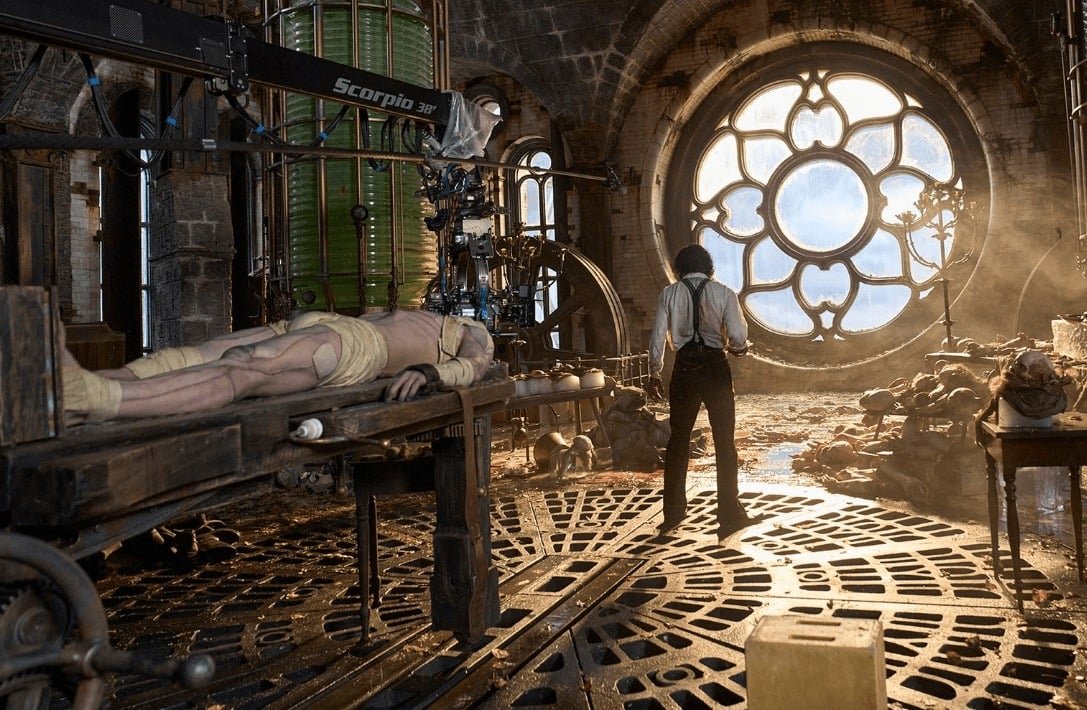
Cinematographers and film lovers alike seem to have developed a gothic appetite. Guillermo del Toro’s new adaptation of Mary Shelley’s iconic novel, Frankenstein, gained quite a lot of friction online and has been acclaimed by audiences and critics alike. The movie seems to be a part of a wider cinematographical tendency which leans towards the… Continue reading The return of the Gothic — a negotiation of humanity

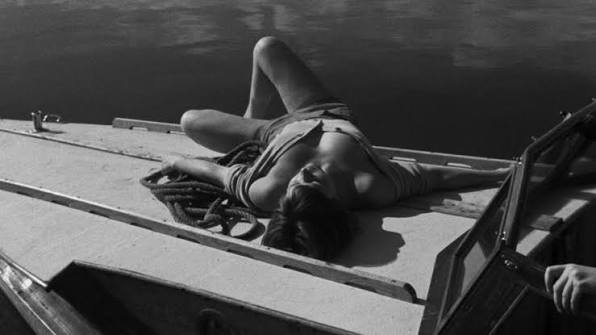
I want to go on like this — Sommaren med Monika by Ingmar Bergman

“Art is free, shameless, irresponsible: the movement is intense, almost feverish; it resembles, it seems to me, a snakeskin full of ants… filled with meddlesome life” (Bergman, The Snakeskin). Travelling to an island in the Swedish archipelago from Stockholm Central Station requires a train and two buses. Or a train, a ferry and a bus.… Continue reading I want to go on like this — Sommaren med Monika by Ingmar Bergman

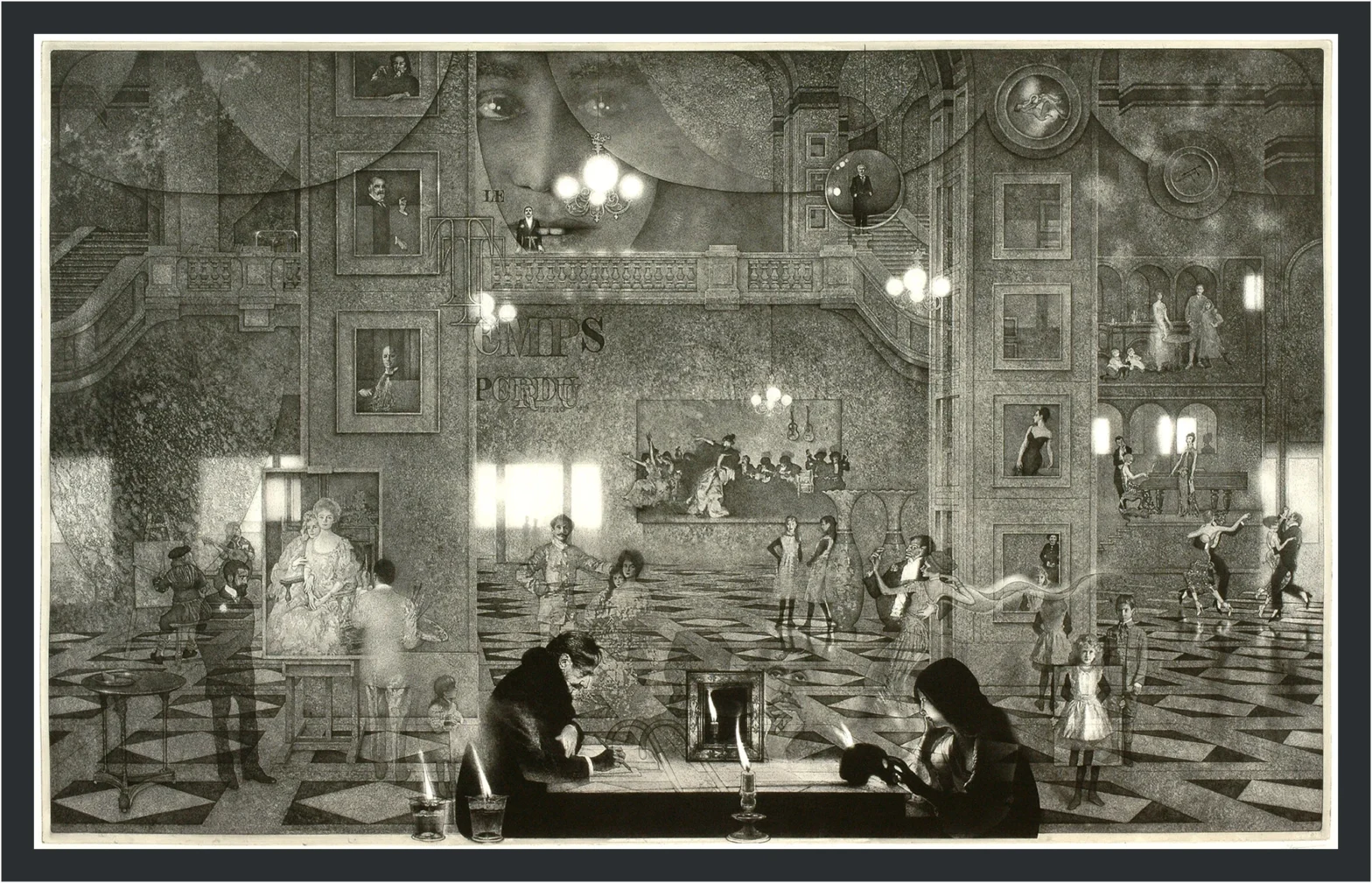
In search of lost film — Proust’s nostalgia and the all-access economy

It’s never been easier to watch movies. Fire up your streaming service of choice, navigate through pages of straight-to-Netflix slop and enjoy the show. Yet, prior to the mid-2010s, streaming content was a novelty; further back than that, the concept of unlimited access to media at home was a sci-fi dream. Indeed, commercial VHS players… Continue reading In search of lost film — Proust’s nostalgia and the all-access economy

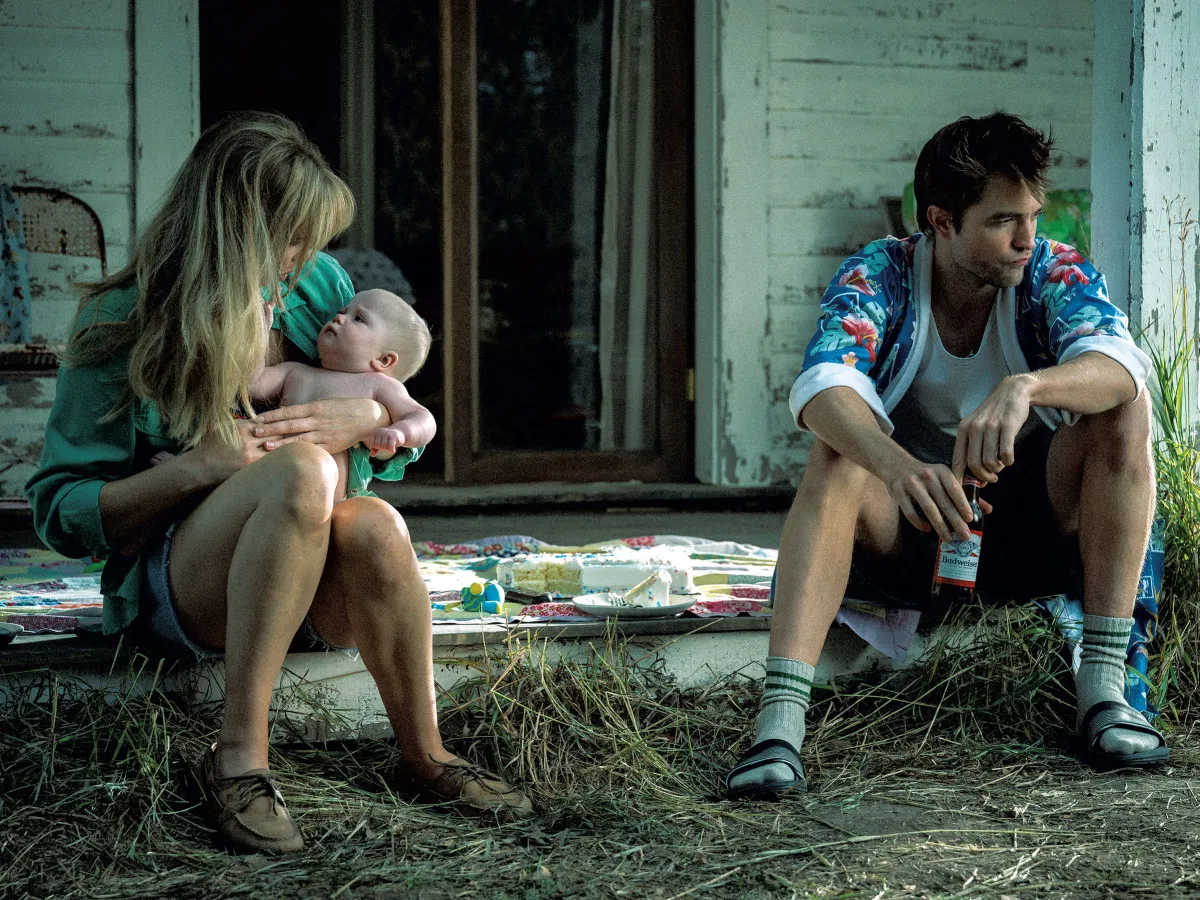
The uncanny side of motherhood in Die, My Love

Die, My Love (2025) is directed by the brilliant filmmaker Lynne Ramsay, who has a fearless way of exploring motherhood on screen. She doesn’t show us the happy, gentle and joyful version of being a mother. Instead, she forces the audience to see the messy, uncomfortable reality — the postpartum depression, the internal chaos, the… Continue reading The uncanny side of motherhood in Die, My Love

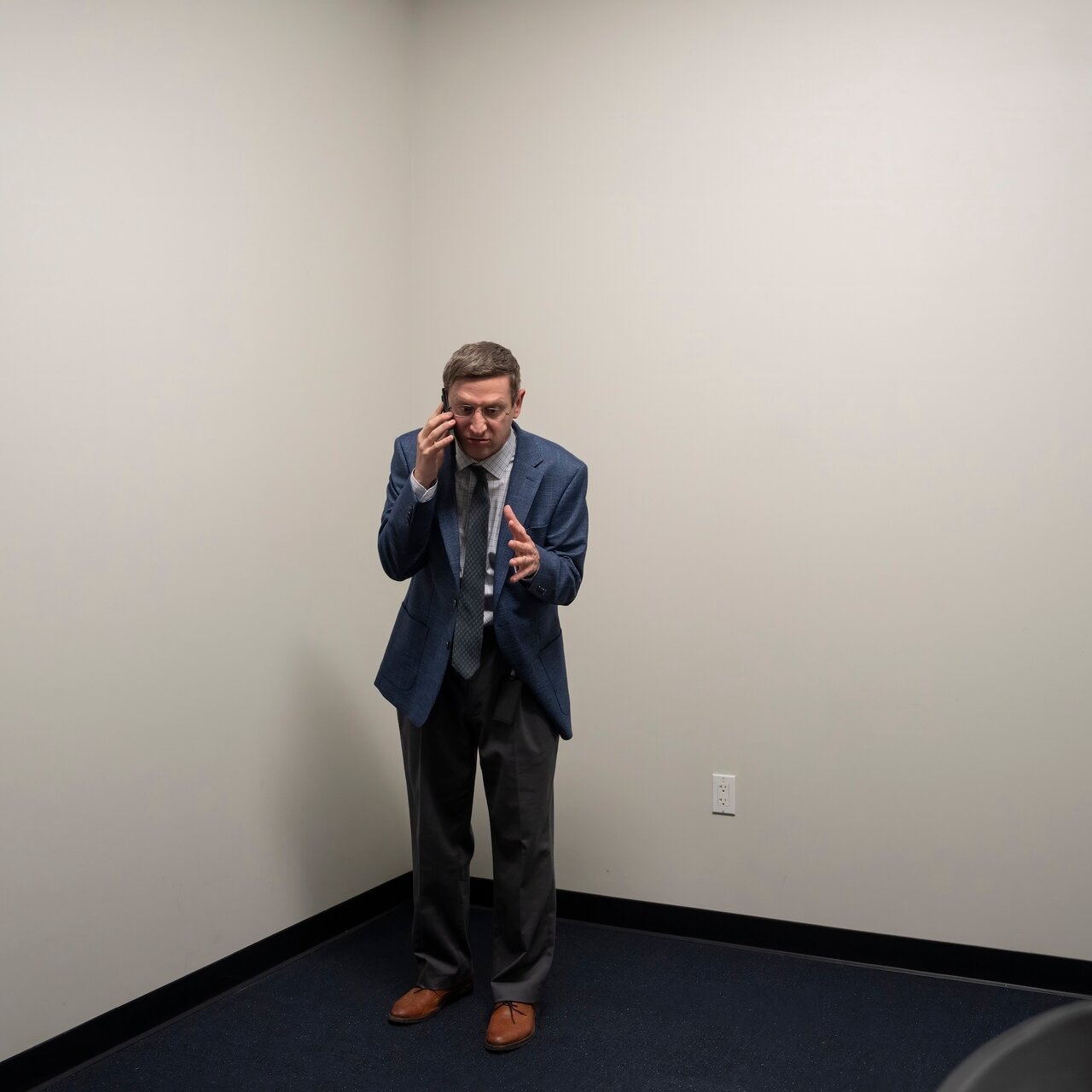
The Chair Company — Tim Robinson’s profound ability to out-mortify the human experience

Daisy Greetham Very few TV shows can maintain a 100% Rotten Tomatoes score while delivering the most absurd lines and unjustifiably dramatic plot imaginable. But then again, very few shows are written by Tim Robinson and Zach Kanin. Gloriously ridiculous and so far overblown is The Chair Company, the new limited series written by the… Continue reading The Chair Company — Tim Robinson’s profound ability to out-mortify the human experience

Parental trauma themes and biblical allusions in Frankenstein

Mary Wollstonecraft Shelley’s magnum opus, Frankenstein, has greatly influenced the arts over the past centuries, spanning novels, characters inspired by the creature and film adaptations that provide space for their own interpretation with artistic uniqueness and pioneering elements from the classic story. Among them is Guillermo del Toro (GDT)’s version, released this year, which amassed… Continue reading Parental trauma themes and biblical allusions in Frankenstein