Clandestine Magazine

Magazine

AFFAIRS

culture

ABOUT CORRESPONDENCE TEAM

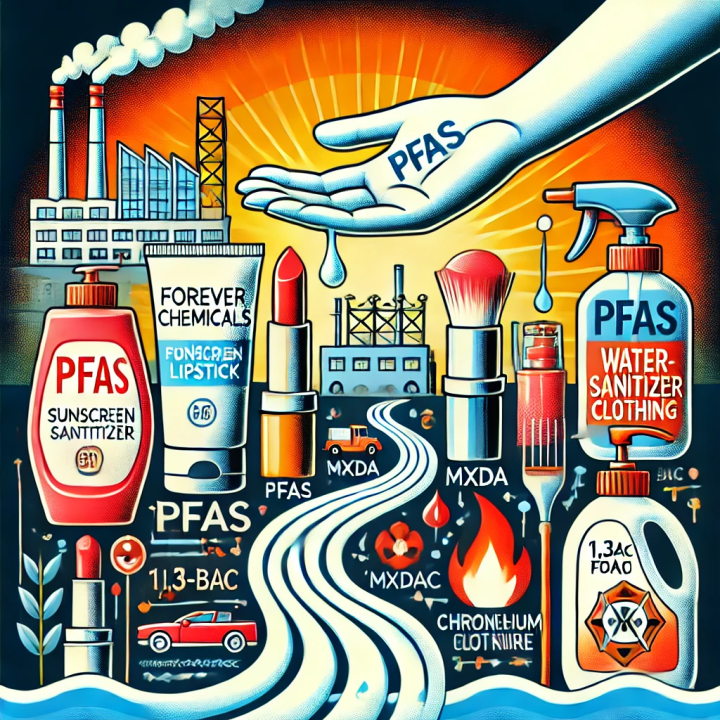
New technologies could help destroy persistent “forever chemicals”

Scientists and engineers are developing new ways to destroy per- and polyfluoroalkyl substances (PFAS) efficiently and sustainably. This class of chemicals is known as “forever chemicals” because PFAS persist and accumulate in the environment, animals and our bodies. PFAS have been used for decades to make everything from firefighting foam, packaging, waterproof clothes and non-stick… Continue reading New technologies could help destroy persistent “forever chemicals”

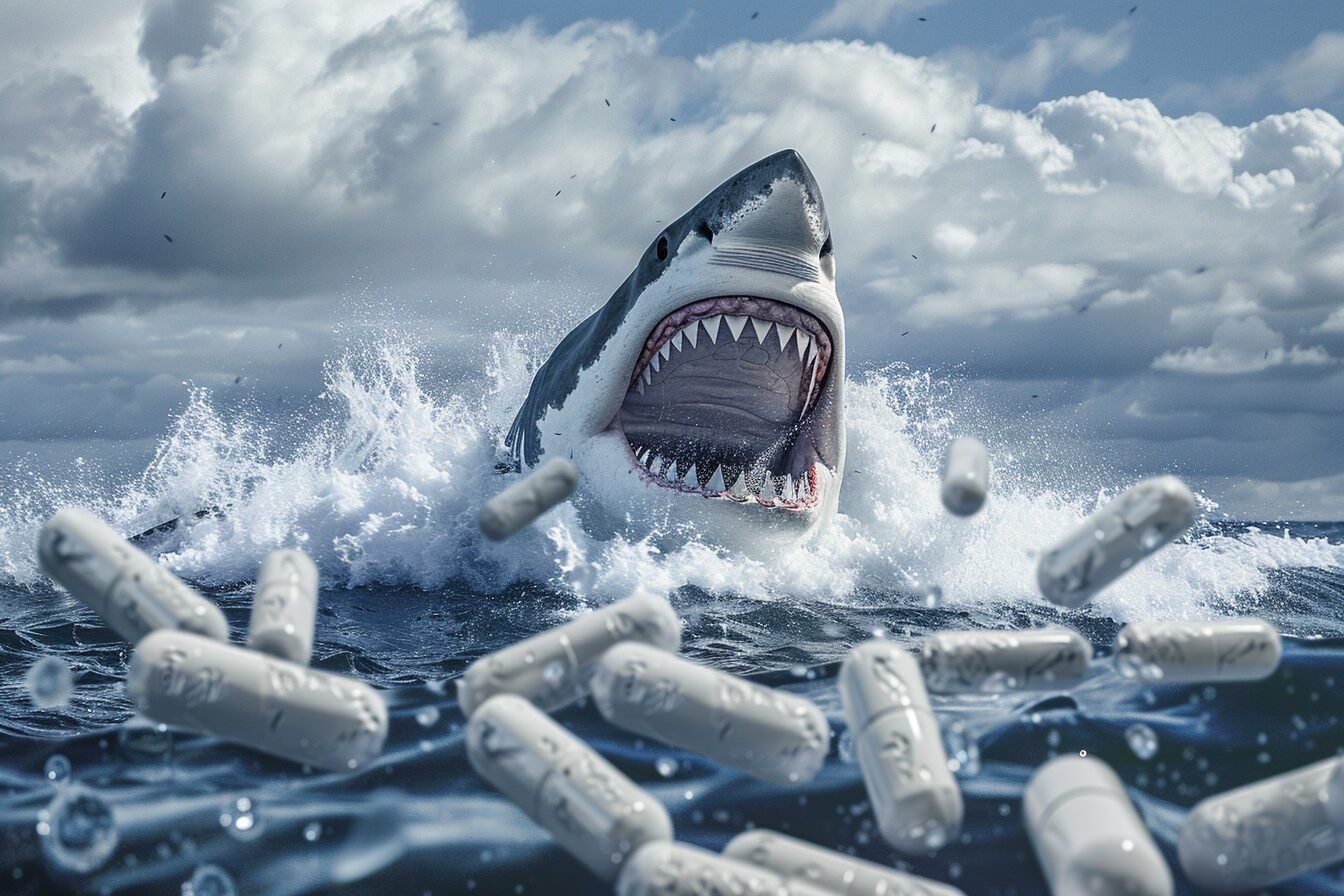
Sharks in Rio de Janeiro test positive for cocaine

The predators were consuming the potent stimulant due to its continuous release from inadequate sewage treatment facilities and clandestine refining operations, scientists wrote in a study published in Science of the Total Environment. Some may also have attacked bricks of cocaine which traffickers had lost at sea off the coast of Brazil, one of the… Continue reading Sharks in Rio de Janeiro test positive for cocaine

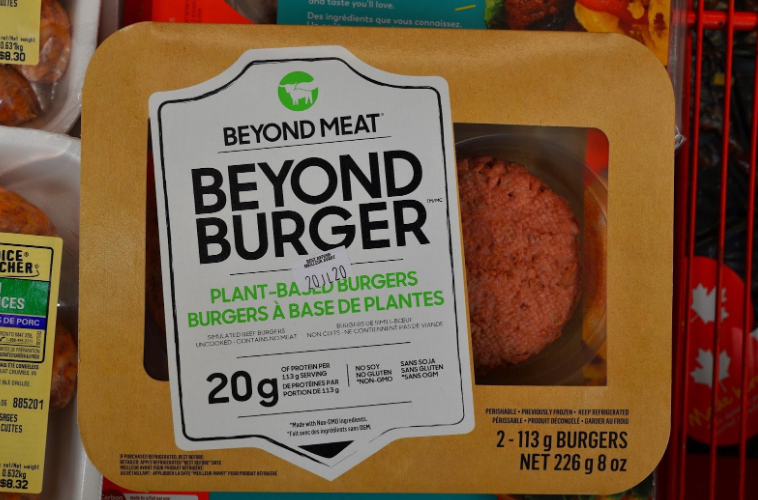
What exactly is a burger? — EU Parliament votes to ban “meat”-related names on plant-based product

While Israeli air strikes continue to devastate the Gaza Strip, Immigration and Customs Enforcement (ICE) rip families apart in the United States and Russia strikes Ukraine’s second-biggest city, the European Parliament places their attention elsewhere. In the last two weeks, the EU Parliament has voted to ban the words “burger”, “sausage”, “steak” and others from… Continue reading What exactly is a burger? — EU Parliament votes to ban “meat”-related names on plant-based product

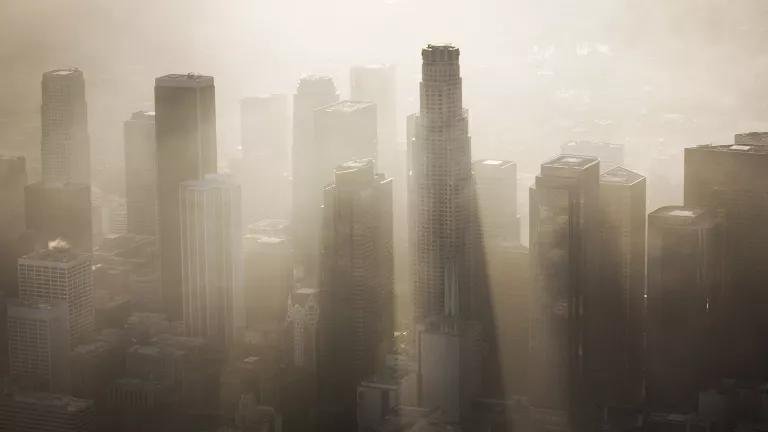
How air quality has changed in over 100 countries around the world since 1850

Air pollution is an unseen menace that poses a major threat to human health and the climate. We have created the air quality stripes, a visual tool that captures global air pollution trends, to bring this hidden threat into sharp focus. Inspired by professor of climate science Ed Hawkins’ climate warming stripes, the air quality… Continue reading How air quality has changed in over 100 countries around the world since 1850

Think before you thank — the hidden carbon cost of your inbox

To much text messaging

That quick “thank you” email might seem polite, but it is quietly cooking the planet. The idea that curbing our digital chatter could help save the environment was popularised by Professor Mike Berners-Lee in his 2020 book How Bad Are Bananas? The Carbon Footprint of Everything. The respected authority on carbon foot-printing dropped a bombshell:… Continue reading Think before you thank — the hidden carbon cost of your inbox

How climate change is supercharging hay fever

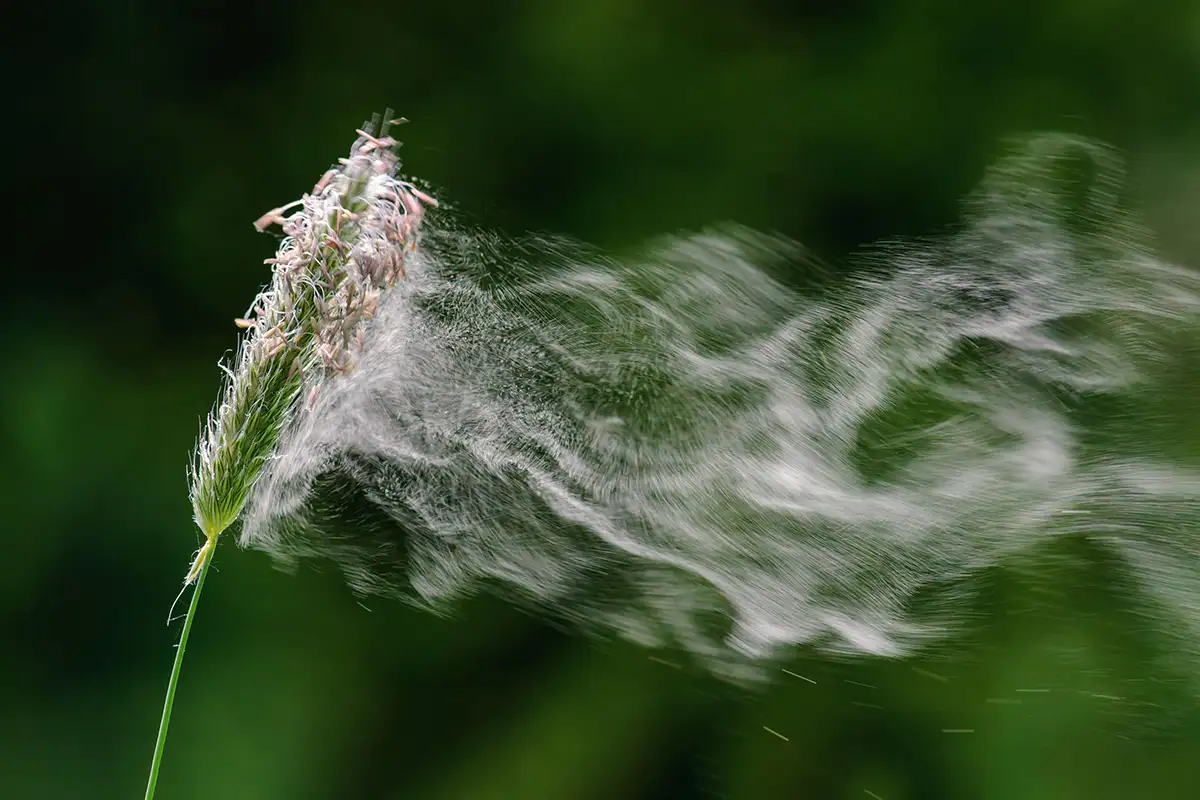
Climate change is not just reshaping the planet’s geography; it is rewriting the rules of human health. One of the many conditions it has exacerbated is hay fever. For the millions who dread the arrival of spring, the symptoms are all too familiar: coughing, itchy eyes, a runny nose and relentless sneezing. But this is… Continue reading How climate change is supercharging hay fever

Jaws with fur — the rabies outbreak turning seals into killers

Cape Town is famous for its great white sharks, but a new terror has surfaced in the shallows. In the world’s first major outbreak of the disease among marine mammals, 11 seals in South Africa have tested positive for rabies. The discovery has turned the city’s beloved coastline into a potential biohazard zone. Gregg Oelofse,… Continue reading Jaws with fur — the rabies outbreak turning seals into killers

Astronomers find nearest massive black hole to Earth

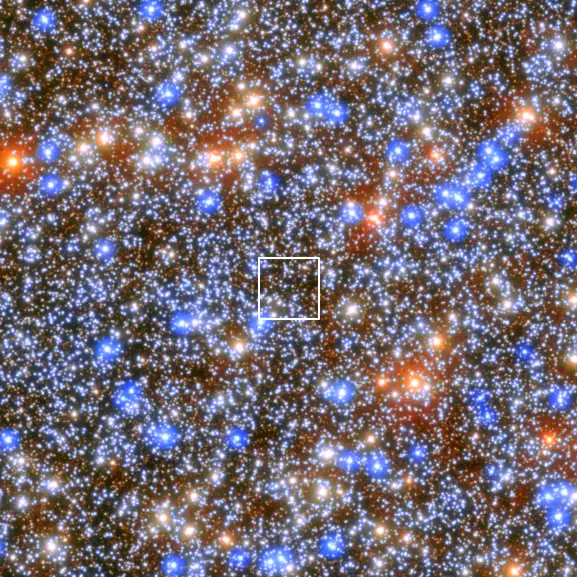
Fast-moving stars seen in a nearby star cluster within the Milky Way suggest the presence of an elusive black hole which may be the closest one to Earth, researchers say. The star cluster, Omega Centauri, is a collection of around ten million stars, visible as a smudge in the night sky south of the equator.… Continue reading Astronomers find nearest massive black hole to Earth

Reduced human activity during early Covid pandemic lowered stress levels in whales

A recent study by the University of Queensland’s School of the Environment has found that humpback whales (Megaptera novaeangliae) off the country’s eastern coast were less stressed and healthier generally in the first year of the Covid-19 pandemic. There were fewer people in the ocean at this time. Stress is as bad for animals as… Continue reading Reduced human activity during early Covid pandemic lowered stress levels in whales

The cost of a burp — Denmark becomes first nation to tax livestock emissions

Carbon dioxide gets all the press, but methane is the silent killer of the climate crisis. Trapping heat 28 times more effectively than CO2, it is a major driver of global warming. Now, Denmark is making farmers pay for it. Denmark is set to become the first country in the world to tax cows, sheep… Continue reading The cost of a burp — Denmark becomes first nation to tax livestock emissions