Clandestine Magazine

Magazine

AFFAIRS

culture

ABOUT CORRESPONDENCE TEAM

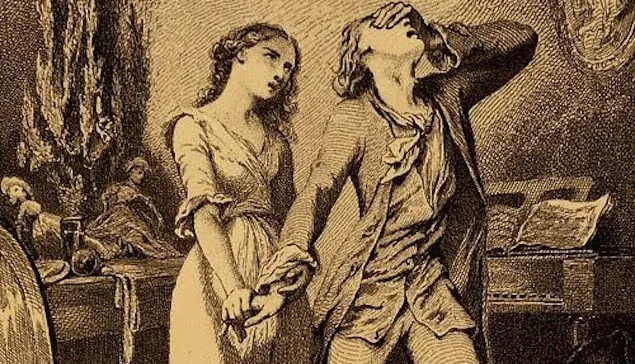
Schopenhauer and modern dating

Ghosting, benching and breadcrumbing, the new fashionable terms related to modern dating which have been multiplying rapidly lately. Currently, every social media platform overflows with publications focused purely on love and how to interpret it. Although these terms are relatively recent, obsessing over love is certainly not a new phenomenon: the first love poem, The… Continue reading Schopenhauer and modern dating

To wait or to rush — the philosophy of moving at your own pace

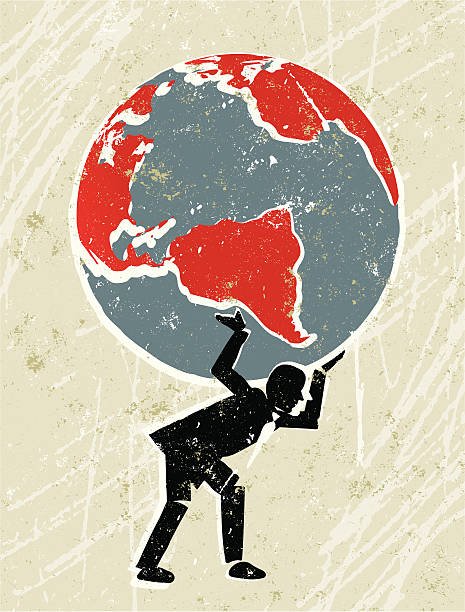
Atlas! A stylized vector cartoon of a business man carrying the Earth,reminiscent of an old screen print poster and suggesting Atlas, the weight of the world, under pressure, strain, or strength. Globe, man,paper texture and background are on different layers for easy editing. Please note: clipping paths have been used, an eps version is included without the path.

The fast-paced nature of modern society leaves little room for stillness and self-reflection. Increasingly, much of our decision-making operates around a growing sense of urgency. This urgency originates from the need to keep up to date with self-imposed timelines. Many of us have goals that involve reaching a certain milestone within a particular timeframe, as… Continue reading To wait or to rush — the philosophy of moving at your own pace

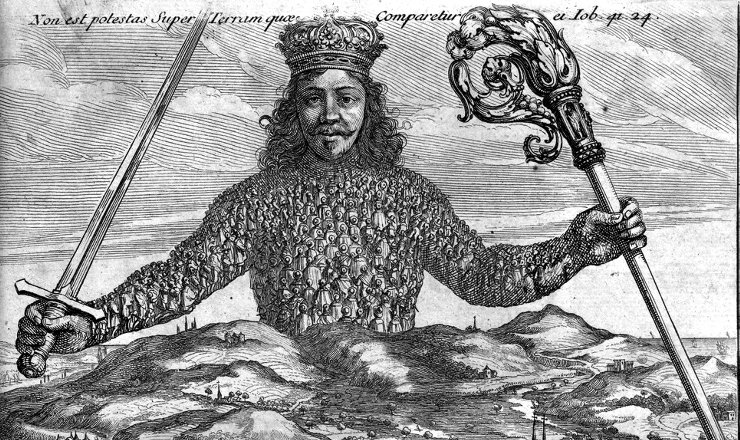
Descartes and the deep state — what 17th-century philosophy reveals about Trump and QAnon

What if I were to tell you that the US government and media is controlled by a secret cabal of devil-worshippers who are organising the mass kidnapping of children? Well, according to a recent poll, 17% of Americans believe this to be the case. Another 30% believe the 2020 US presidential election was stolen from… Continue reading Descartes and the deep state — what 17th-century philosophy reveals about Trump and QAnon

Wise women — six ancient female philosophers you should know about

Aspasia teaching Socrates the art of debate, painted by Nicolas André Monsiaux

When we conjure up ancient philosophers, the image that springs to mind might be a bald Socrates discoursing with young men in the sun, or a scholarly Aristotle lecturing among cool columns. But what about Aspasia, the foreign mistress of the foremost politician in Athens who gave both political and erotic advice? Or Sosipatra, mystic,… Continue reading Wise women — six ancient female philosophers you should know about

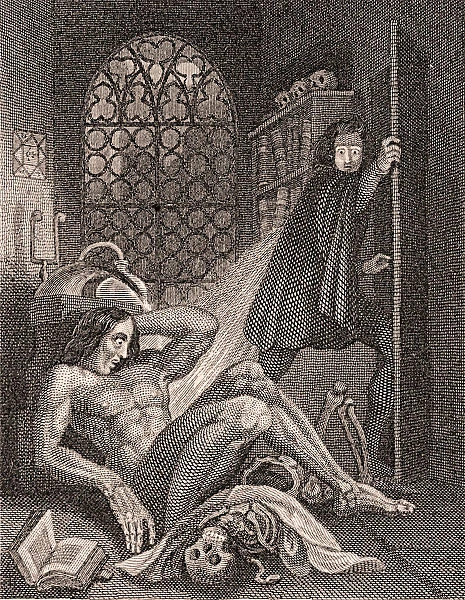
Frankenstein — how Mary Shelley’s sci-fi classic offers lessons for us today about the dangers of playing god

Frankenstein, or, The Modern Prometheus, is an 1818 novel by Mary Wollstonecraft Shelley. Set in the late 18th century, it follows scientist Victor Frankenstein’s creation of life and the terrible events that are precipitated by his abandonment of his creation. It is a Gothic novel in that it combines supernatural elements with horror, death and… Continue reading Frankenstein — how Mary Shelley’s sci-fi classic offers lessons for us today about the dangers of playing god

Lucky girl syndrome — the potential dark side of TikTok’s extreme positive thinking trend

If you’re looking for ways to bring more positive changes into your life, TikTok recommends jumping on the “lucky girl syndrome” trend. The hashtag links countless videos, all claiming this new form of positive thinking can help you achieve your goals. If you haven’t already come across one of these videos, many of them involve… Continue reading Lucky girl syndrome — the potential dark side of TikTok’s extreme positive thinking trend

The art of “getting lost” — how re-discovering your city can be an antidote to capitalism

Do you remember what it was like to discover the magic of a city for the first time? Do you remember the noises, smells, flashing lights and pulsating crowds? Or do you mostly remember cities through the screen of your phone? In 1967, French philosopher and filmmaker Guy Debord publicised the need to move away… Continue reading The art of “getting lost” — how re-discovering your city can be an antidote to capitalism

Hosepipe ban — should you snitch on your neighbour’s water use? A philosopher’s take

Dry conditions and impending drought mean millions of people endure hosepipe bans each year. There is a “temporary use ban” in Hampshire and the Isle of Wight, with Kent and Sussex to follow. It’s virtually impossible for water suppliers to enforce this ban themselves, so some are reportedly urging customers to report if they spot… Continue reading Hosepipe ban — should you snitch on your neighbour’s water use? A philosopher’s take

Dark matter — should we be so sure it exists? Here’s how philosophy can help

It has been more than 50 years since astronomers first proposed “dark matter”, which is thought to be the most common form of matter in the universe. Despite this, we have no idea what it is—nobody has directly seen it or produced it in the lab. So how can scientists be so sure it exists?… Continue reading Dark matter — should we be so sure it exists? Here’s how philosophy can help

His new nose grew “frigid and cadaverous” — the philosophy of the first nose job

An artificial nose from Europe (1601-1800)

In 1624, a physician called Jean-Baptiste van Helmont told a strange story in his book of “magnetic cures” about a man from Brussels who had lost his nose. Having had his nose cut off “in combat”, the man went to a famous Italian surgeon, Gaspare Tagliacozzi, who promised to make him a new one “resembling… Continue reading His new nose grew “frigid and cadaverous” — the philosophy of the first nose job