Clandestine Magazine

Magazine

AFFAIRS

culture

ABOUT CORRESPONDENCE TEAM

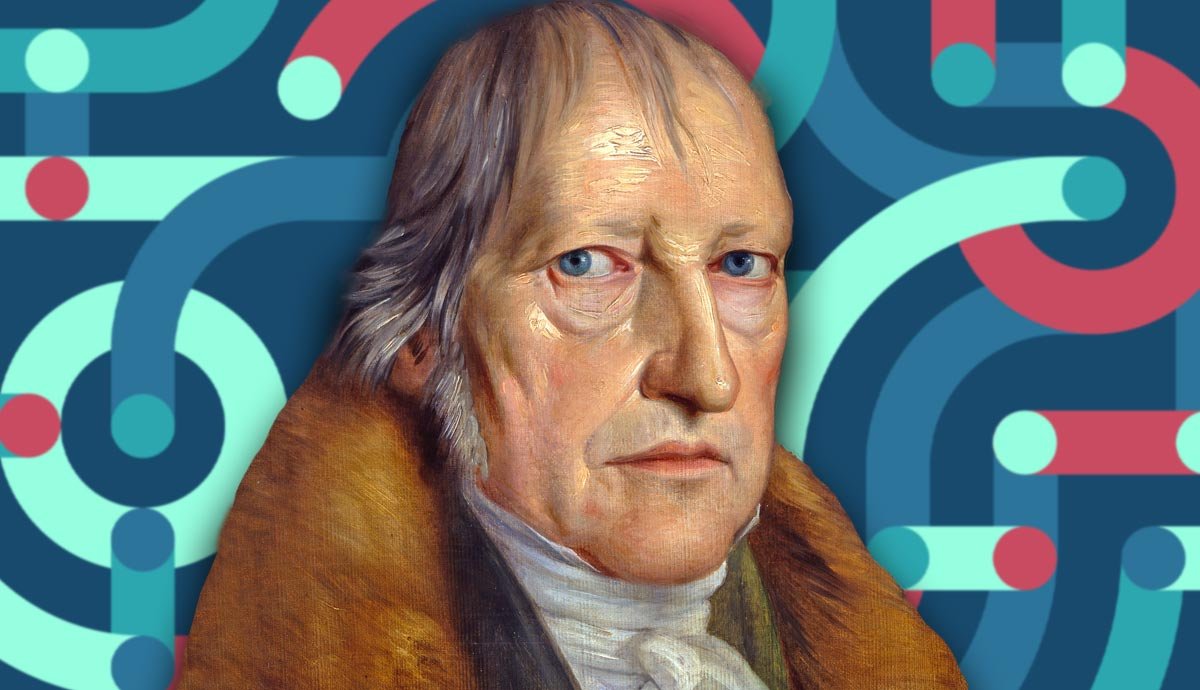
Hegel’s dialectics and Marxism in Europe

Georg Wilhelm Friedrich Hegel (1770–1831) was a German philosopher during the late 18th and early 19th centuries and was key in the development of German idealism. Hegel’s work varies from idealism to the concept of the “Geist”, the philosophy of art and metaphysics. Therefore, Hegel is not easy to read nor is he easy to… Continue reading Hegel’s dialectics and Marxism in Europe


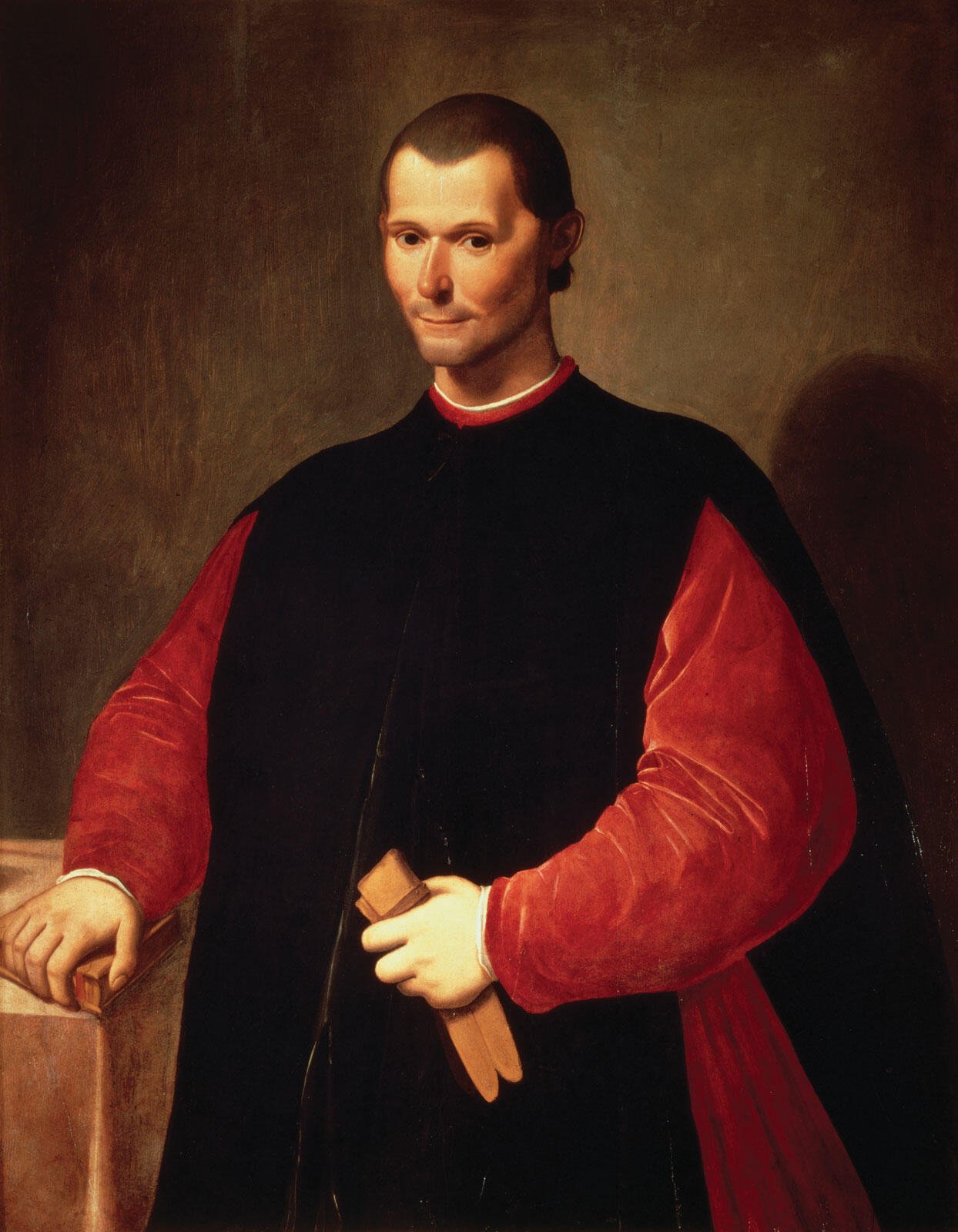
The art of the prince — Machiavelli and the endurance of deception

Around the fifth century BCE, in ancient China, one notorious commander declared that “all warfare is based on deception”, and ultimate success purely stems from tactics of evasion and subtlety. The work which this quote has been acquired from, The Art of War, is attributed to Sun Tzu; however, by 1469, the year Niccolò Machiavelli… Continue reading The art of the prince — Machiavelli and the endurance of deception

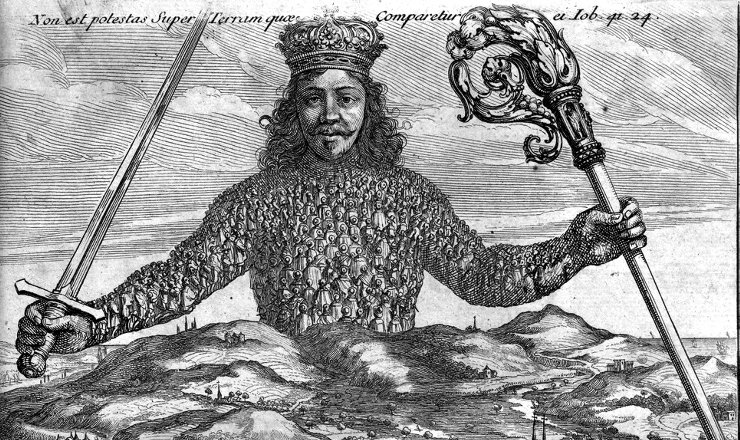
Hobbes and artificial intelligence — the meta-Leviathan

Between the years of 1642 and 1651, the UK was in total turmoil as the Royalist and Parliamentarist forces competed to lead the way for the union’s future. One man, utterly disturbed by the skirmishes resulting in an uncertain future and a death toll of around 200.000, strived to find out how this outcome could… Continue reading Hobbes and artificial intelligence — the meta-Leviathan

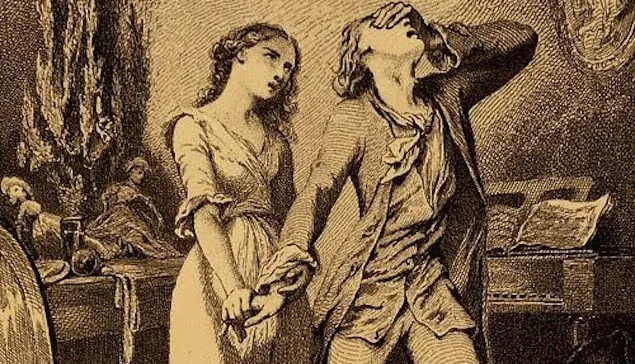
Schopenhauer and modern dating

Ghosting, benching and breadcrumbing, the new fashionable terms related to modern dating which have been multiplying rapidly lately. Currently, every social media platform overflows with publications focused purely on love and how to interpret it. Although these terms are relatively recent, obsessing over love is certainly not a new phenomenon: the first love poem, The… Continue reading Schopenhauer and modern dating

Descartes and the deep state — what 17th-century philosophy reveals about Trump and QAnon

What if I were to tell you that the US government and media is controlled by a secret cabal of devil-worshippers who are organising the mass kidnapping of children? Well, according to a recent poll, 17% of Americans believe this to be the case. Another 30% believe the 2020 US presidential election was stolen from… Continue reading Descartes and the deep state — what 17th-century philosophy reveals about Trump and QAnon

Wise women — six ancient female philosophers you should know about

Aspasia teaching Socrates the art of debate, painted by Nicolas André Monsiaux

When we conjure up ancient philosophers, the image that springs to mind might be a bald Socrates discoursing with young men in the sun, or a scholarly Aristotle lecturing among cool columns. But what about Aspasia, the foreign mistress of the foremost politician in Athens who gave both political and erotic advice? Or Sosipatra, mystic,… Continue reading Wise women — six ancient female philosophers you should know about

The philosophy of Jean-Jacques Rousseau is profoundly contemporary

By any reckoning, Jean-Jacques Rousseau (1712–1778) is one of the most influential Western philosophers in history. No account of the modern era—not just modern thought—could ignore him. Few courses in political or social theory would think to omit him. It is therefore worth coming to grips with his thought and its legacy. But like any… Continue reading The philosophy of Jean-Jacques Rousseau is profoundly contemporary

Five lessons on bringing truth back to politics from Britain’s first female philosophy professor — Susan Stebbing

It is often said that we live in a “post-truth” era. It is unclear at times what role, if any, truth plays in politics. During the pandemic, world leaders dismissed the advice of experts and acted against empirical data. Democracies have felt precarious — in the US, during the Trump presidency, and in countries like… Continue reading Five lessons on bringing truth back to politics from Britain’s first female philosophy professor — Susan Stebbing

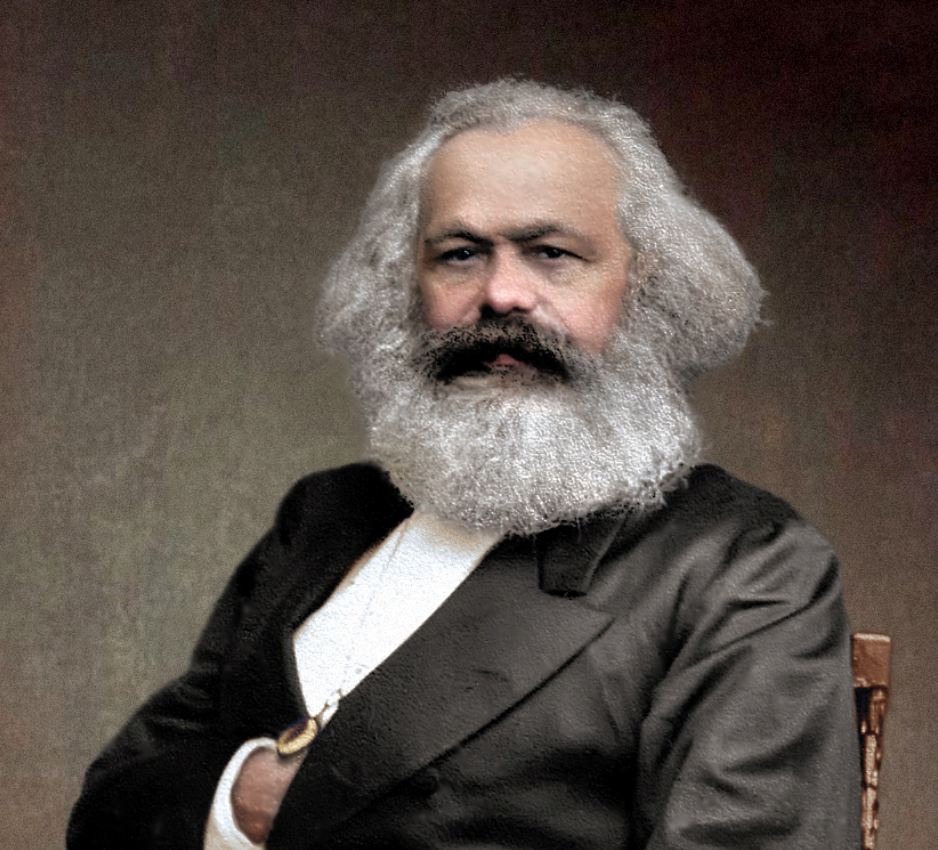
Karl Marx’s philosophy explained

In 1845, Karl Marx declared: “philosophers have only interpreted the world in various ways; the point is to change it”. Change it he did. Political movements representing masses of new industrial workers, many inspired by his thought, reshaped the world in the 19th and 20th centuries through revolution and reform. His work influenced unions, labour… Continue reading Karl Marx’s philosophy explained