Clandestine Magazine

Magazine

AFFAIRS

culture

ABOUT CORRESPONDENCE TEAM

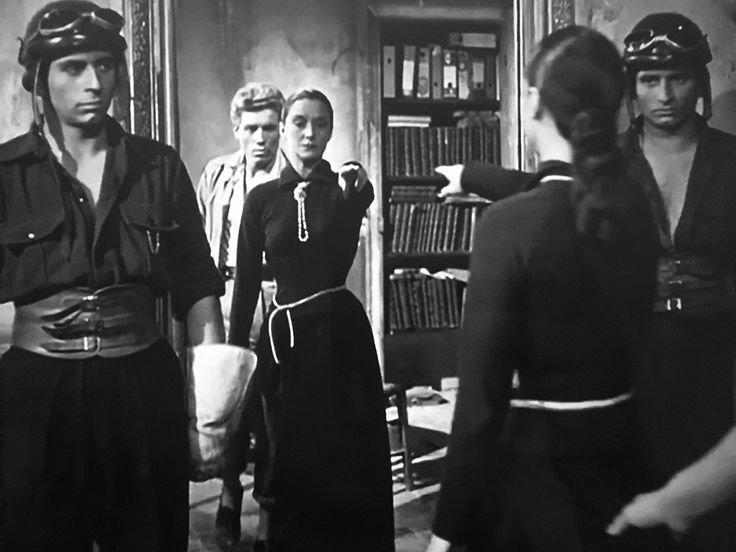
Poetry on trial — reading Jean Cocteau’s Testament of Orpheus in the light of Gorgias’ Encomium of Helen

Gorgias (483–375 BCE) wrote his Encomium of Helen (“in praise of Helen”) as a sort of exercise in the use of language, an example piece, if you will, to attract potential students of rhetoric. We might classify it, in Aristotelian terms, as an epideictic, a “praise and blame” piece of writing. Jean Cocteau, whose treatment… Continue reading Poetry on trial — reading Jean Cocteau’s Testament of Orpheus in the light of Gorgias’ Encomium of Helen

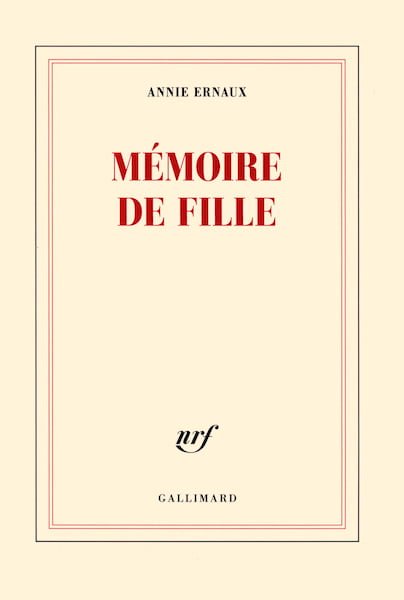
Journey to the self — detangling adolescent desire and conditioned female shame in A Girl’s Story

In A Girl’s Story, Annie Ernaux, in a somewhat self-indulgent practice, recounts her girlhood: all its desire, shame and vulnerability that encircles the years of female adolescence. Ernaux’s creative ability to place herself into the body of her 18-year-old self means reliving sexual and emotional trauma. She delves into the summer of 1958 when she… Continue reading Journey to the self — detangling adolescent desire and conditioned female shame in A Girl’s Story

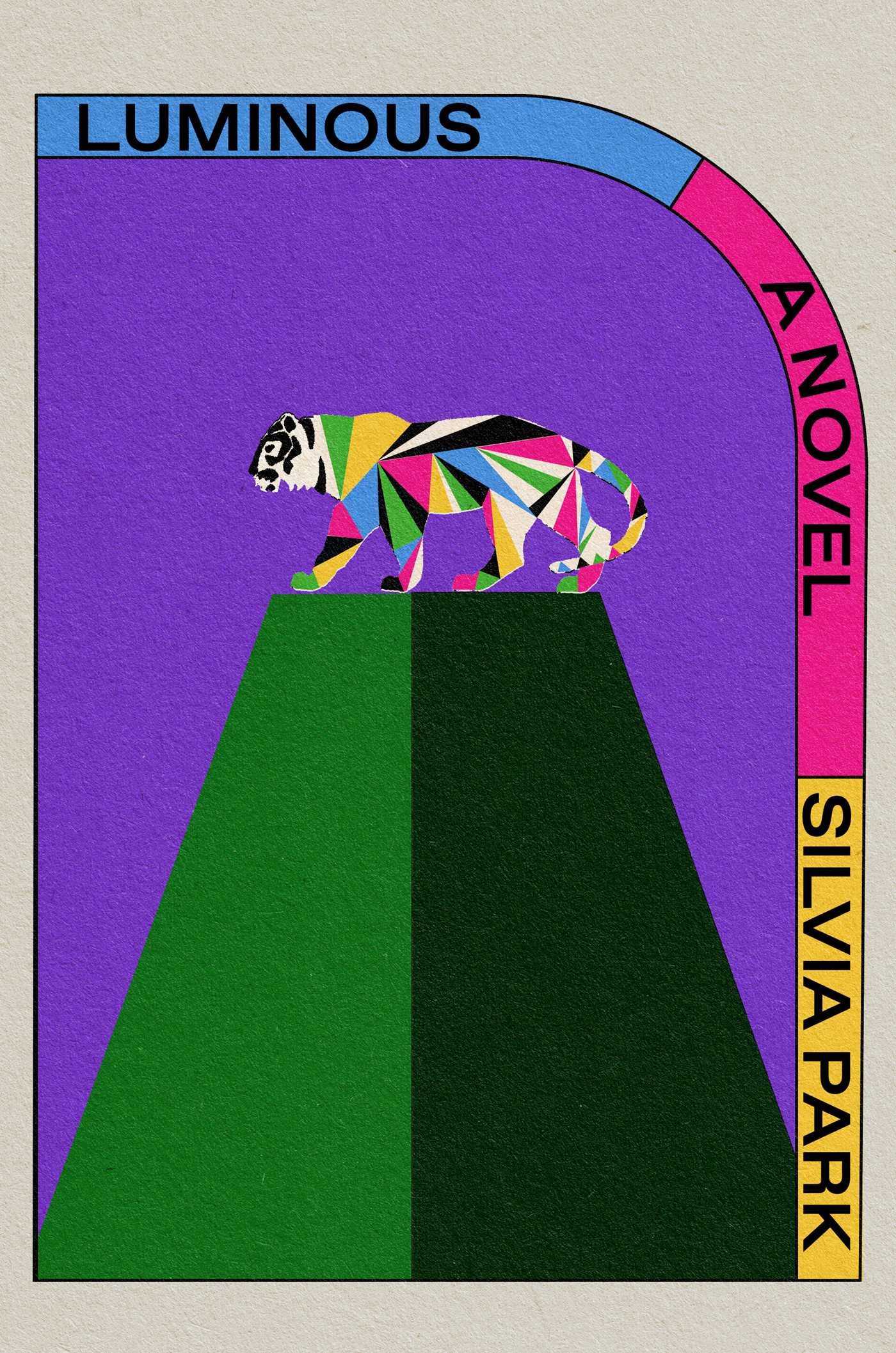
Luminous — an accidentally timely tale

Silvia Park’s debut novel looks like a cautionary tale about ai, but at its core is inherently human. I was initially very surprised to learn that Korean author Silvia Park’s debut novel Luminous was initially intended to be a children’s book. Most children’s books do not feature intimate scenes between police officers and robots in… Continue reading Luminous — an accidentally timely tale

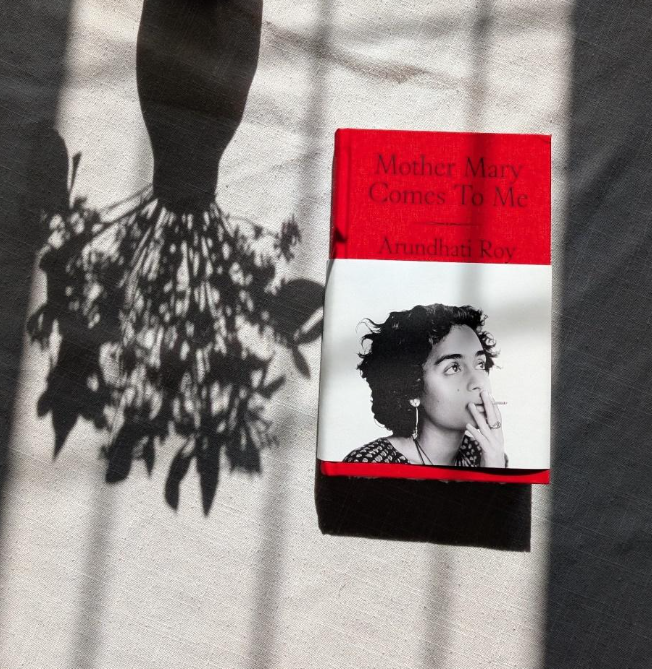
Mother Mary Comes to Me — the memoir redefining motherhood

Part memoir, part obituary-of-sorts dedicated to Arundhati Roy’s late mother, Mary Roy, this somewhat holy yet unorthodox text, Mother Mary Comes to Me, redefines motherhood, all the while reforming the memoir genre. Bound by a ruby red cover and veiled with a half sleeve fashioning Roy’s portraits in young adulthood and now, this text underlines… Continue reading Mother Mary Comes to Me — the memoir redefining motherhood

What it means to love — humanity and artificial intelligence in Klara and the Sun

For as long as we can recall, philosophers, poets and scientists alike have grappled with the seemingly impossible task of defining the essence of love, and as an extension of this the essence of humanity. We now live in a society where technology is entrenched in our everyday lives and the question is taking on… Continue reading What it means to love — humanity and artificial intelligence in Klara and the Sun

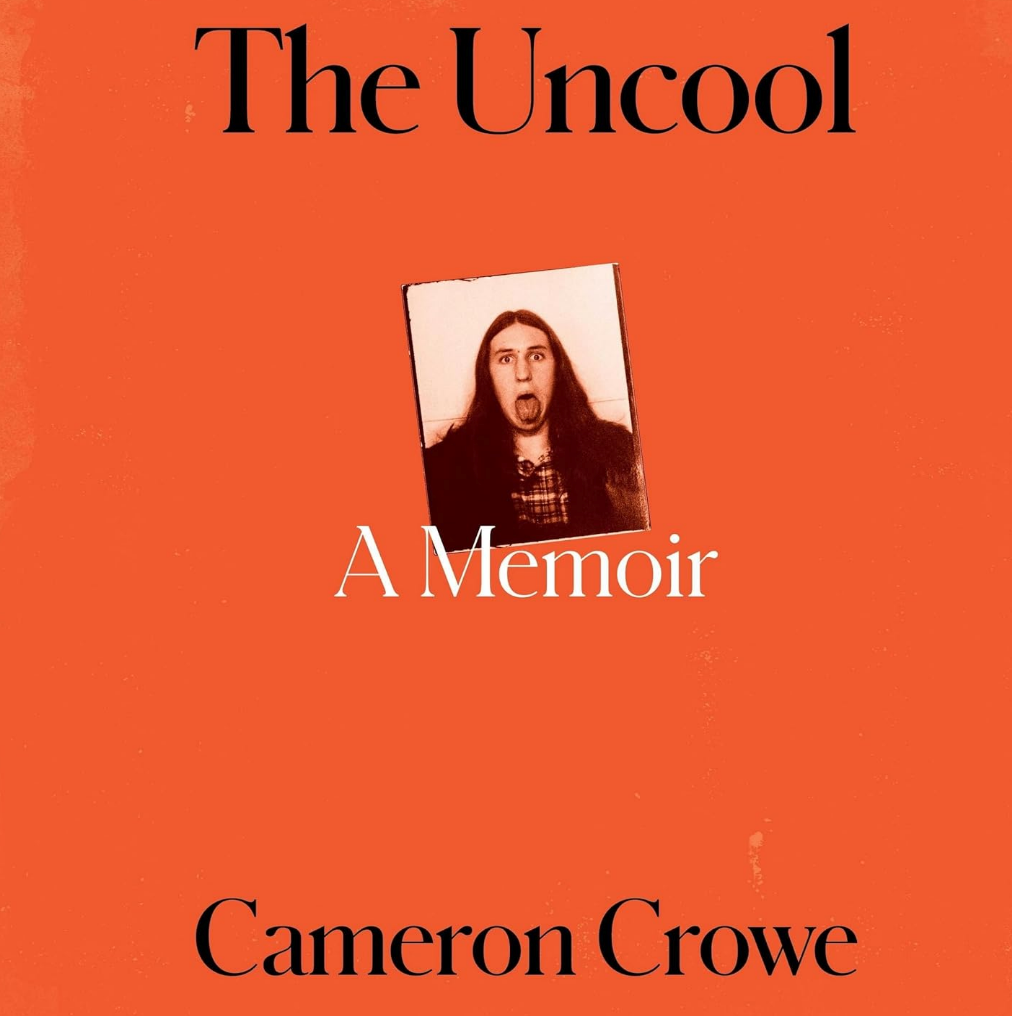
An elixir of rock and roll — Cameron Crowe’s The Uncool

As someone who grew up feeling “uncool”, whatever that entails, to see Cameron Crowe brand himself with that very title seems paradoxical. Nobody had a coming-of-age like his. Crowe spent his formative years engulfed by his boundless love for music, something I relate to myself. Crowe’s passion for music propelled him into the intoxicating world… Continue reading An elixir of rock and roll — Cameron Crowe’s The Uncool

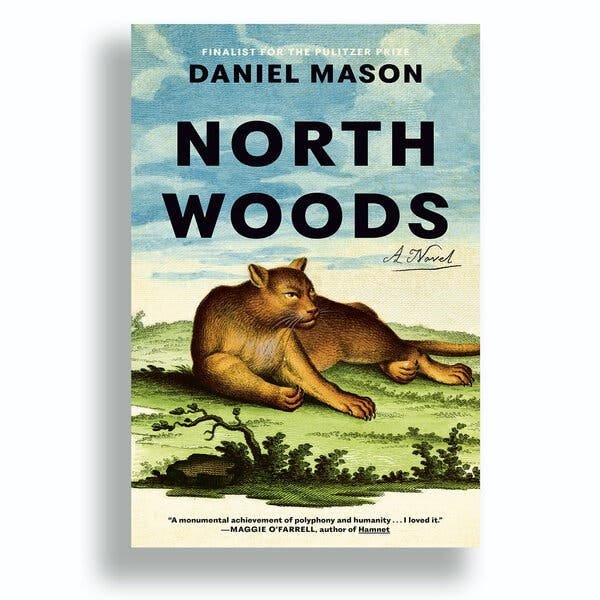
The Second Coming, again and again and again in North Woods

A house in Northern Massachusetts, with its vast and domineering landscape, is the prime mover of Daniel Mason’s ecological fiction North Woods. From this yellow home, constructed prior to the American War of Independence, the natural world unfolds and transforms the lives of its inhabitants. A Puritan couple, a passionate apple farmer and his life-bonded… Continue reading The Second Coming, again and again and again in North Woods

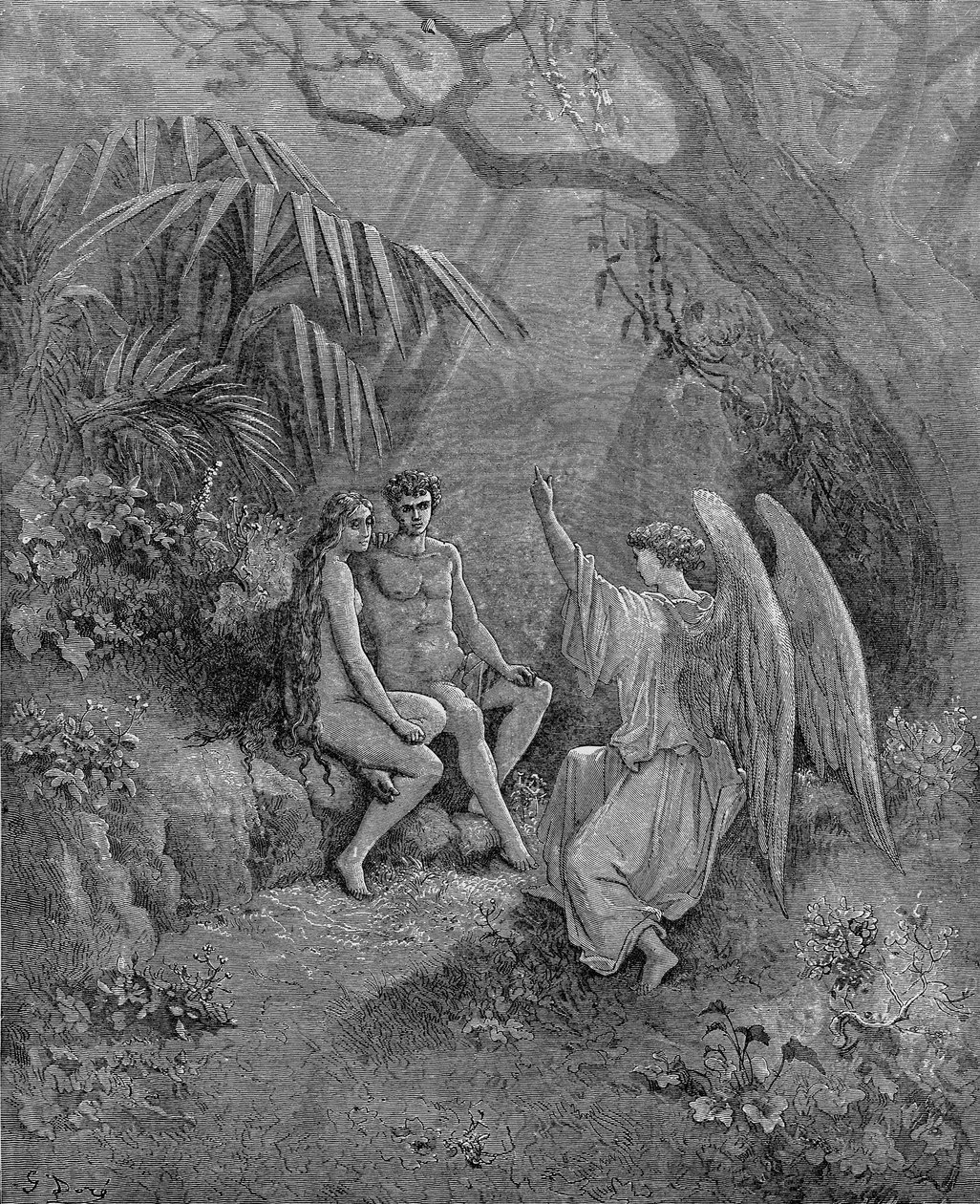
Nature and nocuousness — an exploration of Milton’s presentation of prelapsarian Adam and Eve

“In Book IX, Milton presents Adam and Eve’s harmonious relationship with the natural world as the clearest symbol of their prelapsarian innocence”. In light of this comment, and with close reference to relevant contexts, discuss Milton’s presentation of nature in Paradise Lost Book IX. Throughout Paradise Lost, the reader is made aware of Milton’s tendency… Continue reading Nature and nocuousness — an exploration of Milton’s presentation of prelapsarian Adam and Eve

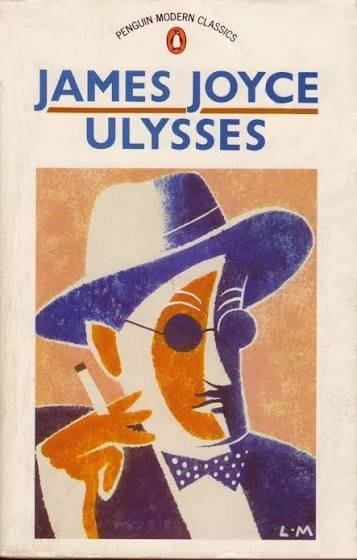
Why Ulysses was banned for being obscene

James Joyce’s Ulysses, which turned 102 last February, is now central to the literary canon and features on university literature courses around the world. However, it was not always as revered as it is now. In fact, it was banned as obscene before it was first published as a complete novel, regarded as a work… Continue reading Why Ulysses was banned for being obscene

Invisible Trillions — global capitalism operates beyond the rule of law and threatens democracy

Secrecy has become as important for corporations as transparent and taxable profits used to be, according to Raymond W. Baker in his new book Invisible Trillions. Global capitalism, he argues, operates beyond the rule of law. This contributes to extreme inequality that threatens liberal democracy. Deals in the financial secrecy system account for half of… Continue reading Invisible Trillions — global capitalism operates beyond the rule of law and threatens democracy