Clandestine Magazine

Magazine

AFFAIRS

culture

ABOUT CORRESPONDENCE TEAM

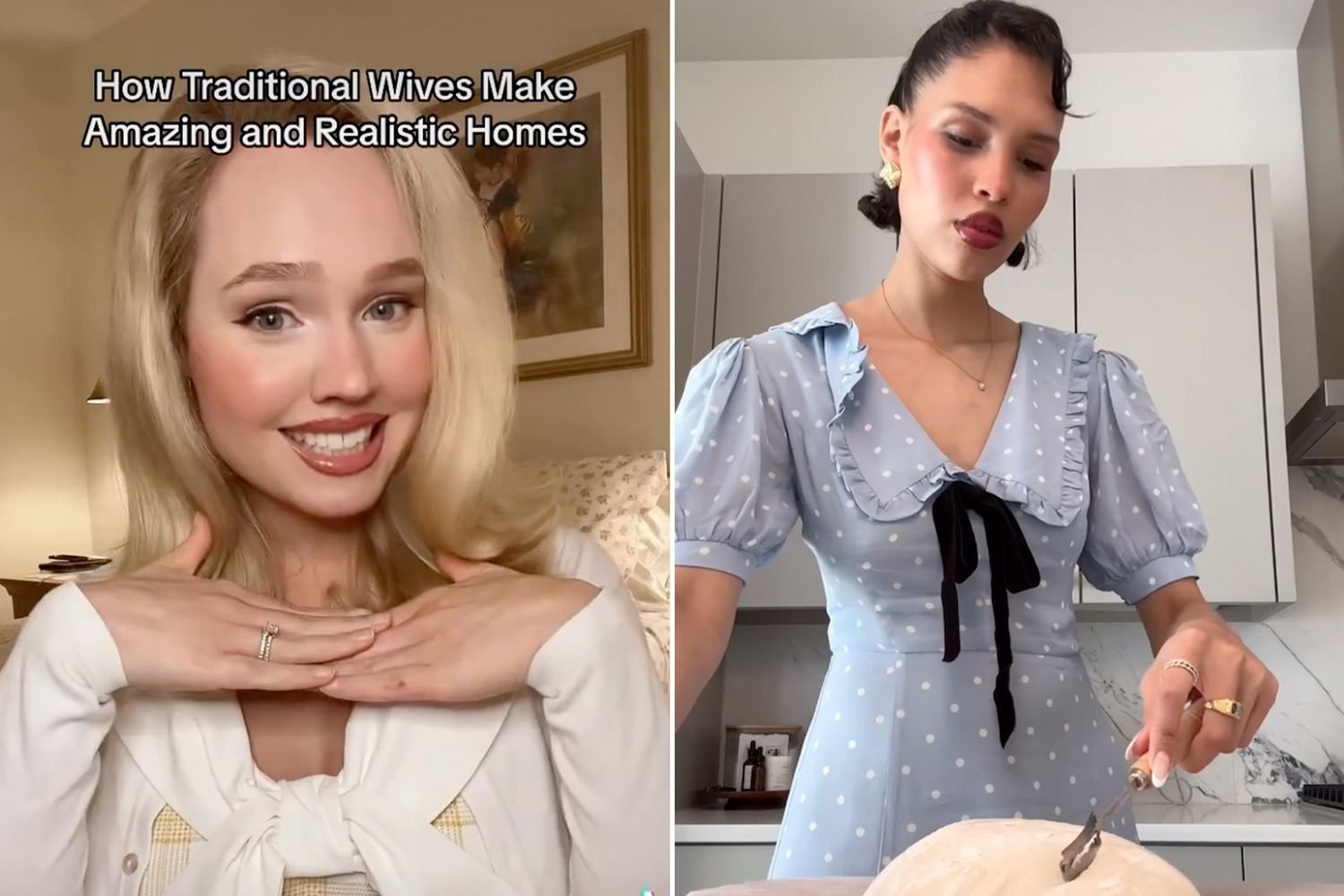
What would Betty Friedan make of the 21st-century tradwife?

The alluring title of Betty Friedan’s The Feminine Mystique serves as a successful façade for the book’s rather morose themes. 15 years following her graduation from the all-female Smith College, Friedan constructed a questionnaire for her classmates — now all wives and mothers, but once equally academics. Despite the domestic reverie that had been portrayed… Continue reading What would Betty Friedan make of the 21st-century tradwife?

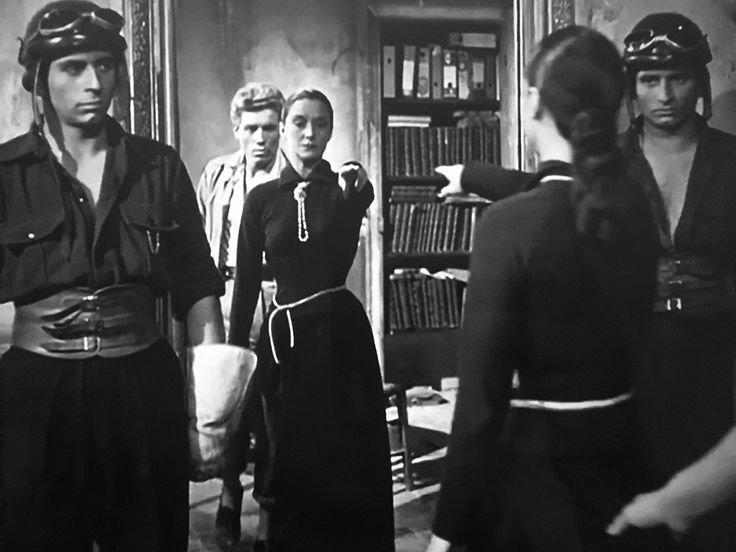
Poetry on trial — reading Jean Cocteau’s Testament of Orpheus in the light of Gorgias’ Encomium of Helen

Gorgias (483–375 BCE) wrote his Encomium of Helen (“in praise of Helen”) as a sort of exercise in the use of language, an example piece, if you will, to attract potential students of rhetoric. We might classify it, in Aristotelian terms, as an epideictic, a “praise and blame” piece of writing. Jean Cocteau, whose treatment… Continue reading Poetry on trial — reading Jean Cocteau’s Testament of Orpheus in the light of Gorgias’ Encomium of Helen

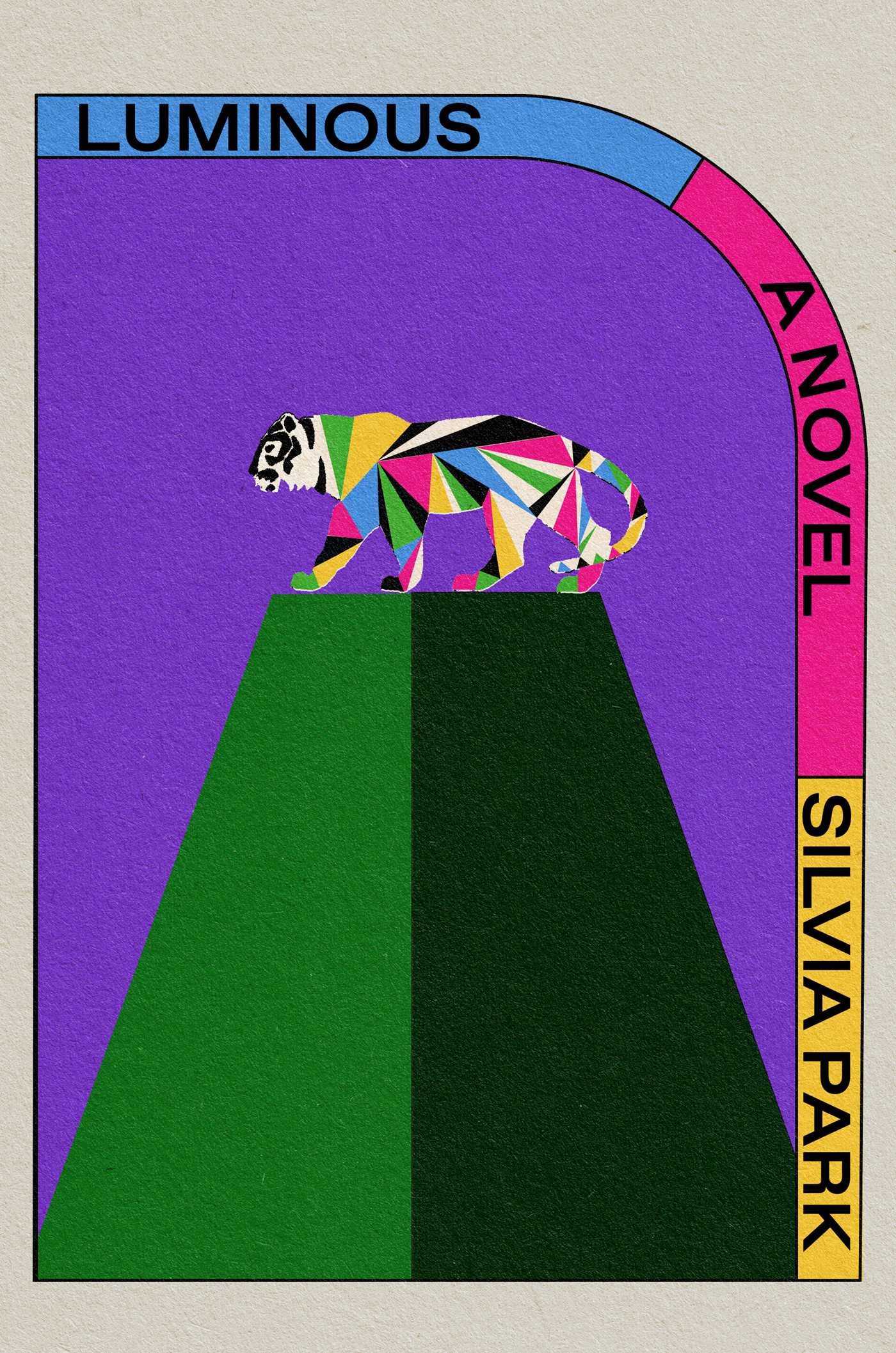
Luminous — an accidentally timely tale

Silvia Park’s debut novel looks like a cautionary tale about ai, but at its core is inherently human. I was initially very surprised to learn that Korean author Silvia Park’s debut novel Luminous was initially intended to be a children’s book. Most children’s books do not feature intimate scenes between police officers and robots in… Continue reading Luminous — an accidentally timely tale

Do you really need to read the classics?

“Do I really need to read classics?” For many years, even despite having majored in literature, my answer would have been a simple “no”. My initial experience with classics was similar to that of many others; they were forced down my throat in high school and made me occasionally question whether I liked reading at… Continue reading Do you really need to read the classics?

Mother Mary Comes to Me — the memoir redefining motherhood

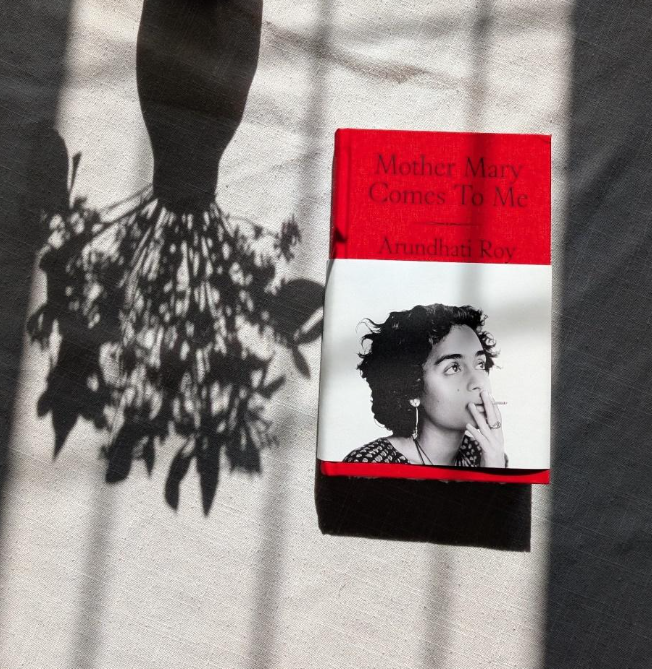
Part memoir, part obituary-of-sorts dedicated to Arundhati Roy’s late mother, Mary Roy, this somewhat holy yet unorthodox text, Mother Mary Comes to Me, redefines motherhood, all the while reforming the memoir genre. Bound by a ruby red cover and veiled with a half sleeve fashioning Roy’s portraits in young adulthood and now, this text underlines… Continue reading Mother Mary Comes to Me — the memoir redefining motherhood

What it means to love — humanity and artificial intelligence in Klara and the Sun

For as long as we can recall, philosophers, poets and scientists alike have grappled with the seemingly impossible task of defining the essence of love, and as an extension of this the essence of humanity. We now live in a society where technology is entrenched in our everyday lives and the question is taking on… Continue reading What it means to love — humanity and artificial intelligence in Klara and the Sun

An elixir of rock and roll — Cameron Crowe’s The Uncool

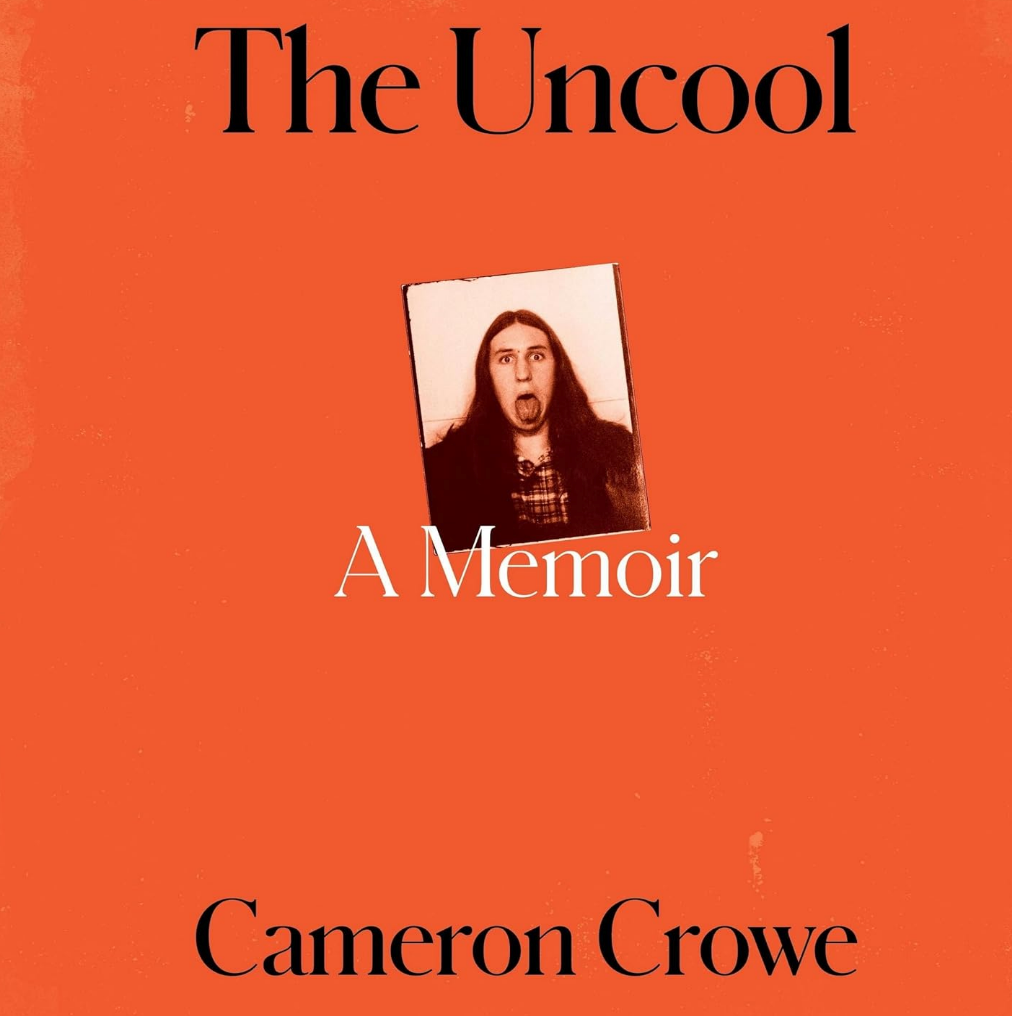
As someone who grew up feeling “uncool”, whatever that entails, to see Cameron Crowe brand himself with that very title seems paradoxical. Nobody had a coming-of-age like his. Crowe spent his formative years engulfed by his boundless love for music, something I relate to myself. Crowe’s passion for music propelled him into the intoxicating world… Continue reading An elixir of rock and roll — Cameron Crowe’s The Uncool

The womb is a haunted house —  looking to the works of Plath and Sexton as a woman in our times

“Being born a woman is my awful tragedy”, Sylvia Plath journalled in 1959, four years before her death. “From the moment I was conceived I was doomed to sprout breasts and a womb and to adore men who are the enemies of my kind”. A year later, in 1960, poet Anne Sexton underwent an illegal… Continue reading The womb is a haunted house —  looking to the works of Plath and Sexton as a woman in our times

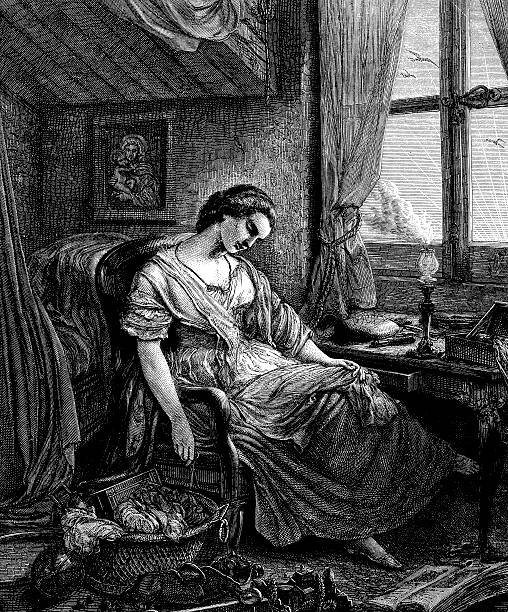
Why we’re obsessed with Exhausted Women in fiction

Antique illustration of tired woman resting

Lately, I’ve noticed a pattern in the novels I gravitate toward: the women at the centre of them are exhausted. Not poetically exhausted, but clinically, emotionally and sometimes strategically depleted. They’re overworked, undernourished, overstimulated or simply done with pretending life is manageable. But strangely, I find them compelling. Ottessa Moshfegh’s narrator in My Year of… Continue reading Why we’re obsessed with Exhausted Women in fiction

The Second Coming, again and again and again in North Woods

A house in Northern Massachusetts, with its vast and domineering landscape, is the prime mover of Daniel Mason’s ecological fiction North Woods. From this yellow home, constructed prior to the American War of Independence, the natural world unfolds and transforms the lives of its inhabitants. A Puritan couple, a passionate apple farmer and his life-bonded… Continue reading The Second Coming, again and again and again in North Woods