Clandestine Magazine

Magazine

AFFAIRS

culture

ABOUT CORRESPONDENCE TEAM

Seer of the selfie — in the culture of narcissism, Christopher Lasch excoriated his self-absorbed society

{Illustration by Garry Brown}

A cultural critic rails against a society that worships celebrity and prizes images over ideas. A progressive intellectual attacks the dominance of corporate elites. A curmudgeonly academic condemns his society’s ignorance of its past and the dumbing down of public education. A psychologically astute writer explores the conflicts eddying around gender and sexuality. Who are… Continue reading Seer of the selfie — in the culture of narcissism, Christopher Lasch excoriated his self-absorbed society

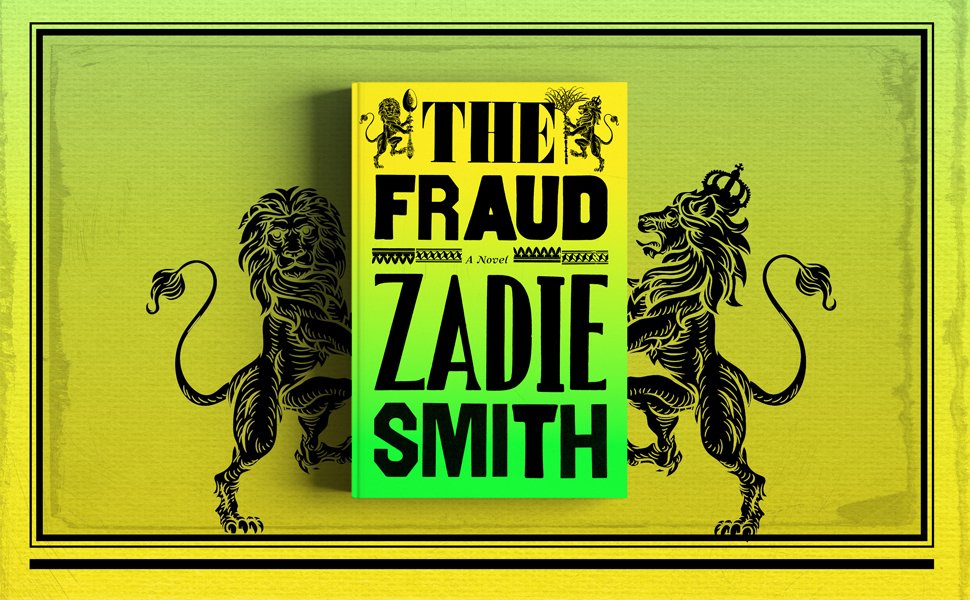
The Fraud by Zadie Smith — a dazzling depiction of Victorian colonial England

Zadie Smith’s latest novel, The Fraud, is her first foray into the world of historical fiction. The result is a stunning, well-studied examination of Victorian colonial England and some of its inhabitants. As with other works by Smith, the novel takes a patchwork approach, with several interwoven plots taking place over a period of about… Continue reading The Fraud by Zadie Smith — a dazzling depiction of Victorian colonial England

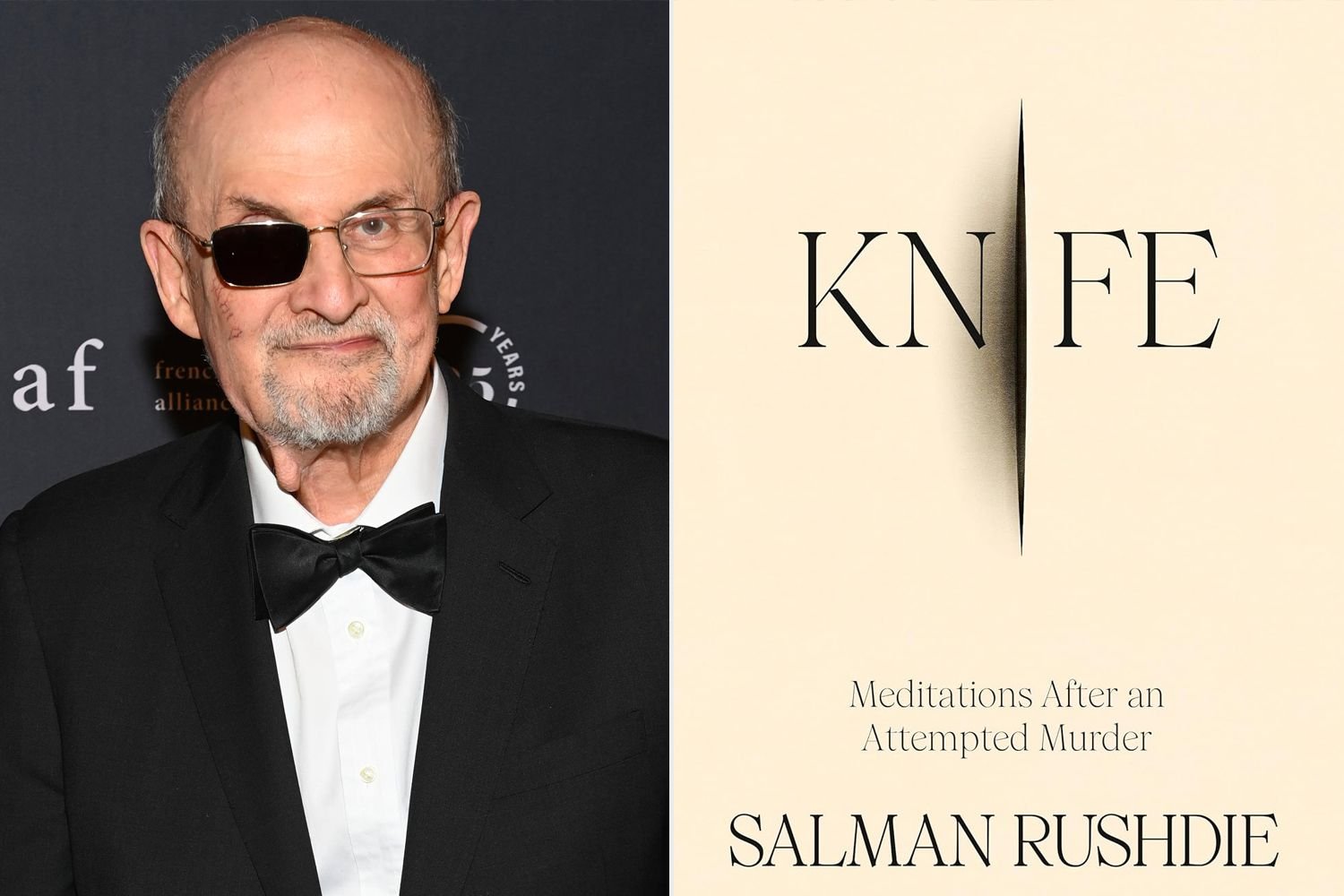
In Knife, Salman Rushdie confronts a world where liberal principles like free speech are old-fashioned

Knife is Salman Rushdie’s account of how he narrowly survived an attempt on his life in August 2022, in which he lost his right eye and partial use of his left hand. The attack ironically came when Rushdie was delivering a lecture on “the creation in America of safe spaces for writers from elsewhere”, at… Continue reading In Knife, Salman Rushdie confronts a world where liberal principles like free speech are old-fashioned

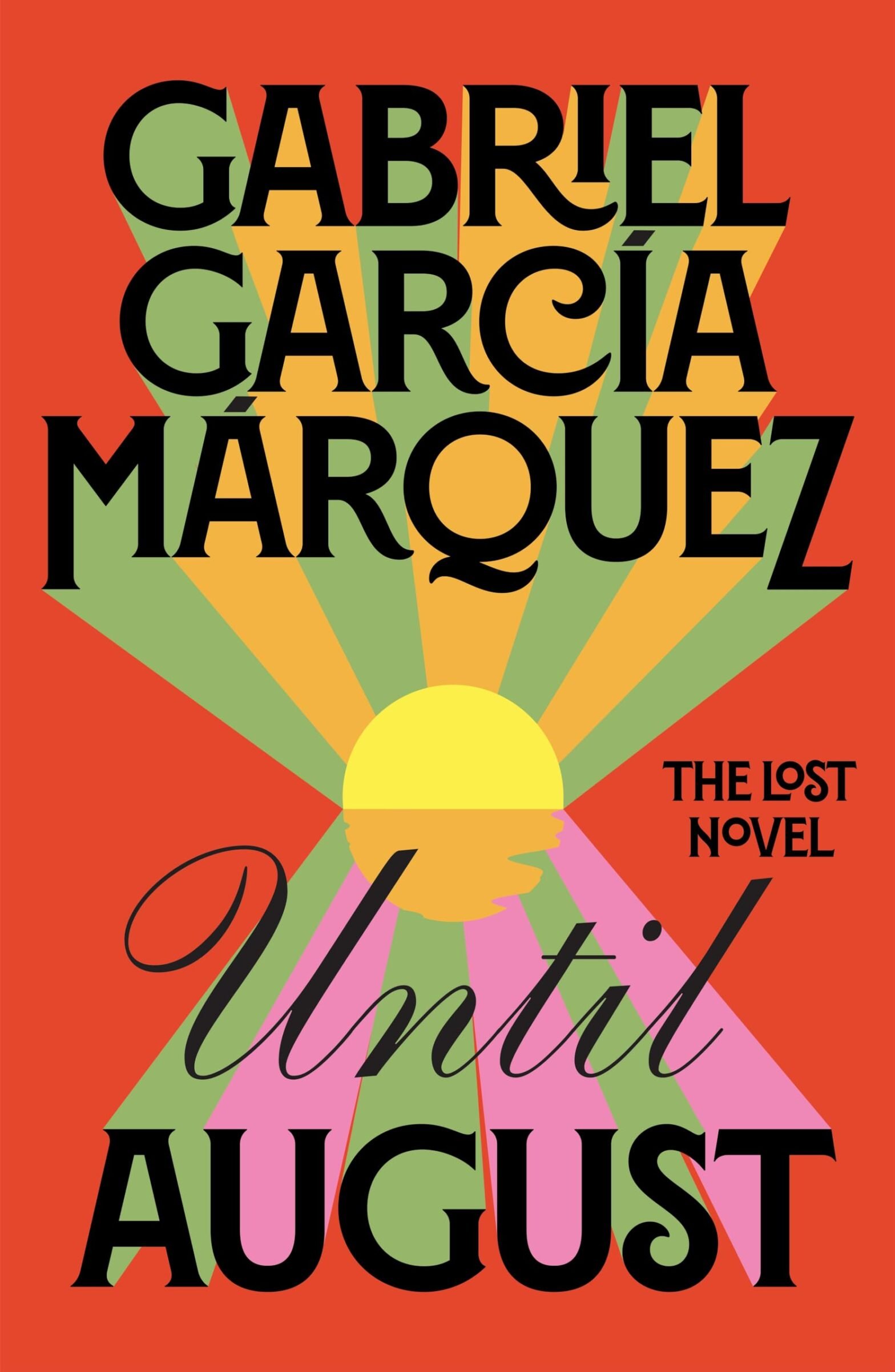
Gabriel García Márquez’s last novel is a moving testament to his genius

Gabriel García Márquez (1927–2014) — affectionately known as “Gabo” — started his career as a journalist, but is best known for the novels and short stories that earned him the Nobel Prize in Literature in 1982. Alongside Peruvian author Mario Vargas Llosa and Mexican writer Carlos Fuentes, he was the best-known member of the triumvirate… Continue reading Gabriel García Márquez’s last novel is a moving testament to his genius

“Now I am become Death, the destroyer of worlds” — the Bhagavad Gita explained

There is a striking photo, taken in 2015, of a deactivated nuclear missile at an air and space museum in Tucson, Arizona. Written in dust on this missile are the words: “Now I am become Death, the destroyer of worlds”. These words, from the Sanskrit scriptural text the Bhagavad Gita, are famously attributed to J.… Continue reading “Now I am become Death, the destroyer of worlds” — the Bhagavad Gita explained

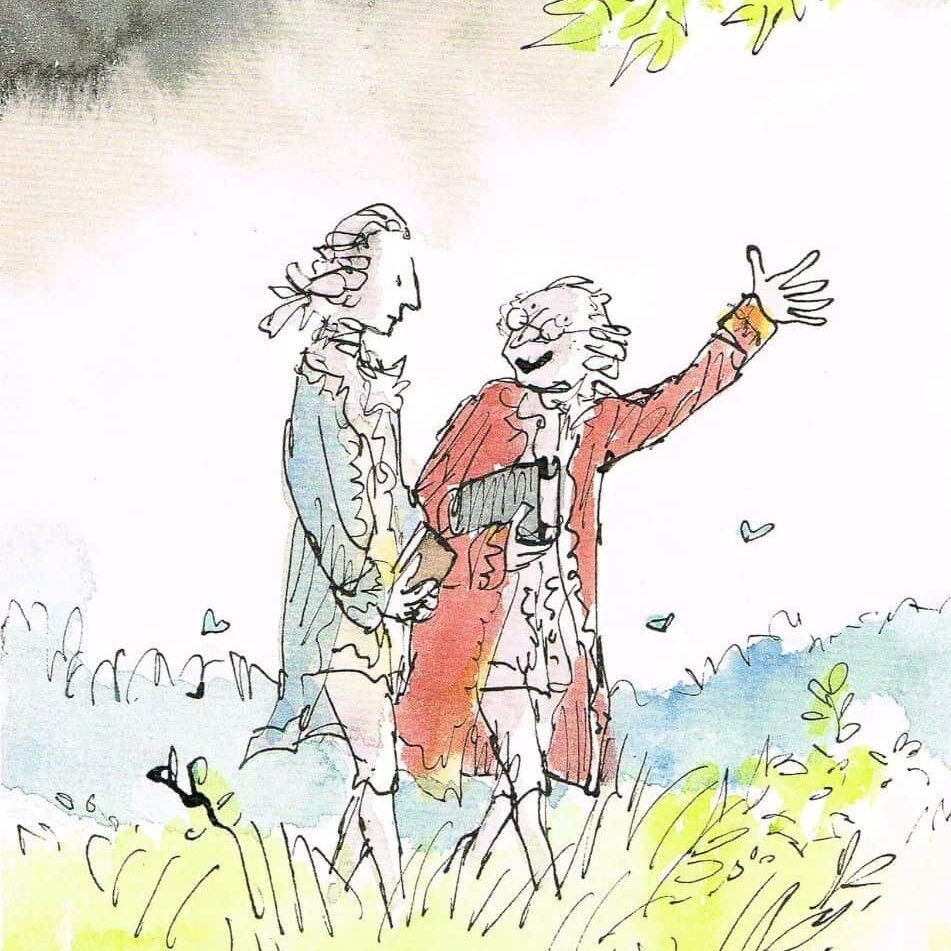
Voltaire’s Candide — a darkly satirical tale of human folly in times of crisis

“Italy had its Renaissance, Germany its Reformation, France had Voltaire”, the historian Will Durant once commented. Born François-Marie Arouet, Voltaire (1694–1778) was known in his lifetime as the “patriarch” of the French Enlightenment. A man of extraordinary energy and abilities, he produced some 100 volumes of poetry, fiction, theatre, biblical and literary criticism, history and… Continue reading Voltaire’s Candide — a darkly satirical tale of human folly in times of crisis

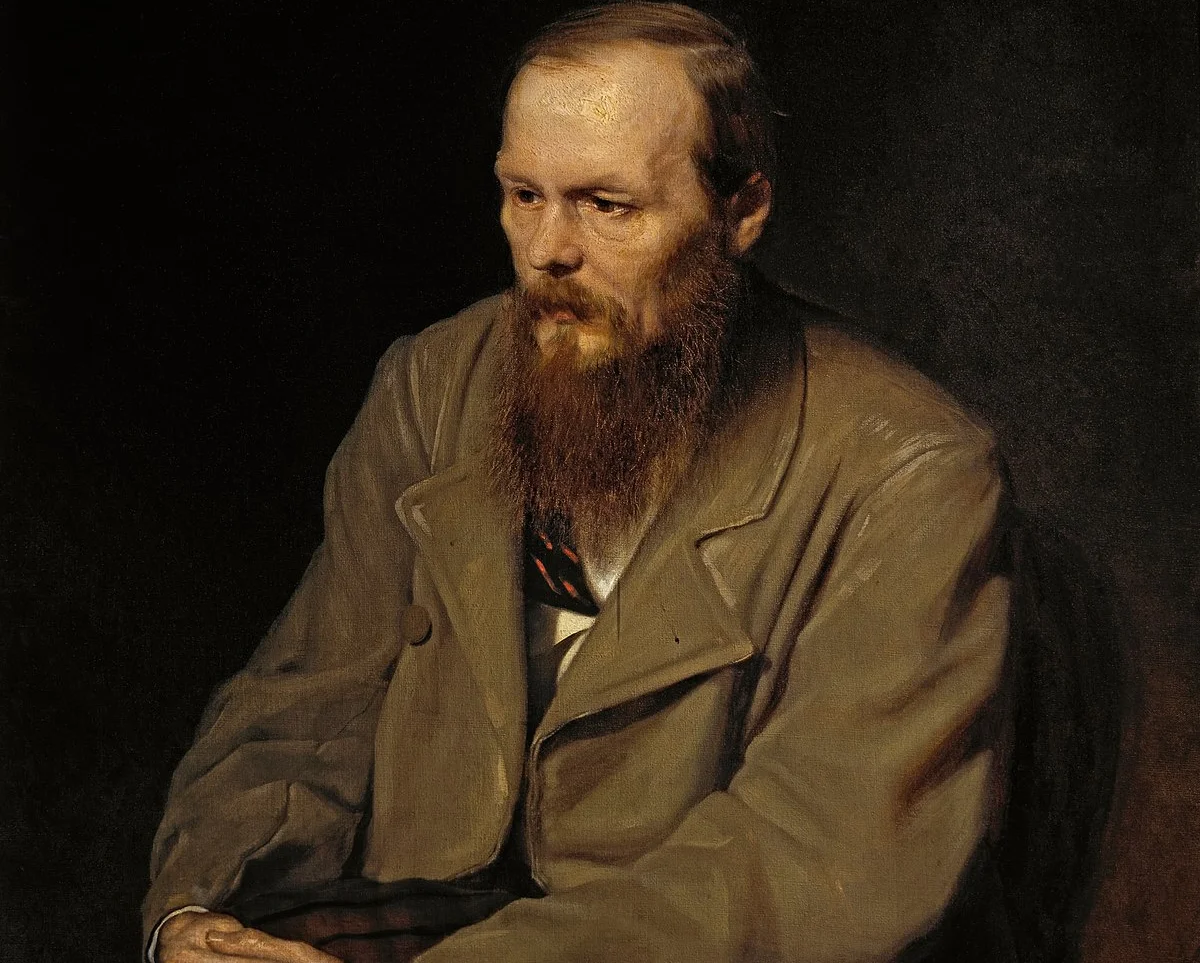
The friendship contract of a murderer — examining friendships and self-perception in Dostoevsky’s Crime and Punishment

How does self-identification lead to the formation of relationships? Self-perception can be one of the most unreliable sources of one’s character; I will show how relationships are based on one’s idea of themselves, rather than who they actually are. I would like to illustrate how the ego prevents one from seeking friendships of those they… Continue reading The friendship contract of a murderer — examining friendships and self-perception in Dostoevsky’s Crime and Punishment

Classical katabasis in Allen Ginsberg’s Howl

Katabasis — “a going down” — etymology: καταβαίνειν, Greek, “to descend”, from “κατα”, down, and “βαίνω”, I go. This essay deals with the question of how classical literary elements and mythology can be utilised in a way which enhances the critical and provocative in poetry which seeks to cut ties with tradition, in what at… Continue reading Classical katabasis in Allen Ginsberg’s Howl