Clandestine Magazine

Magazine

AFFAIRS

culture

ABOUT CORRESPONDENCE TEAM

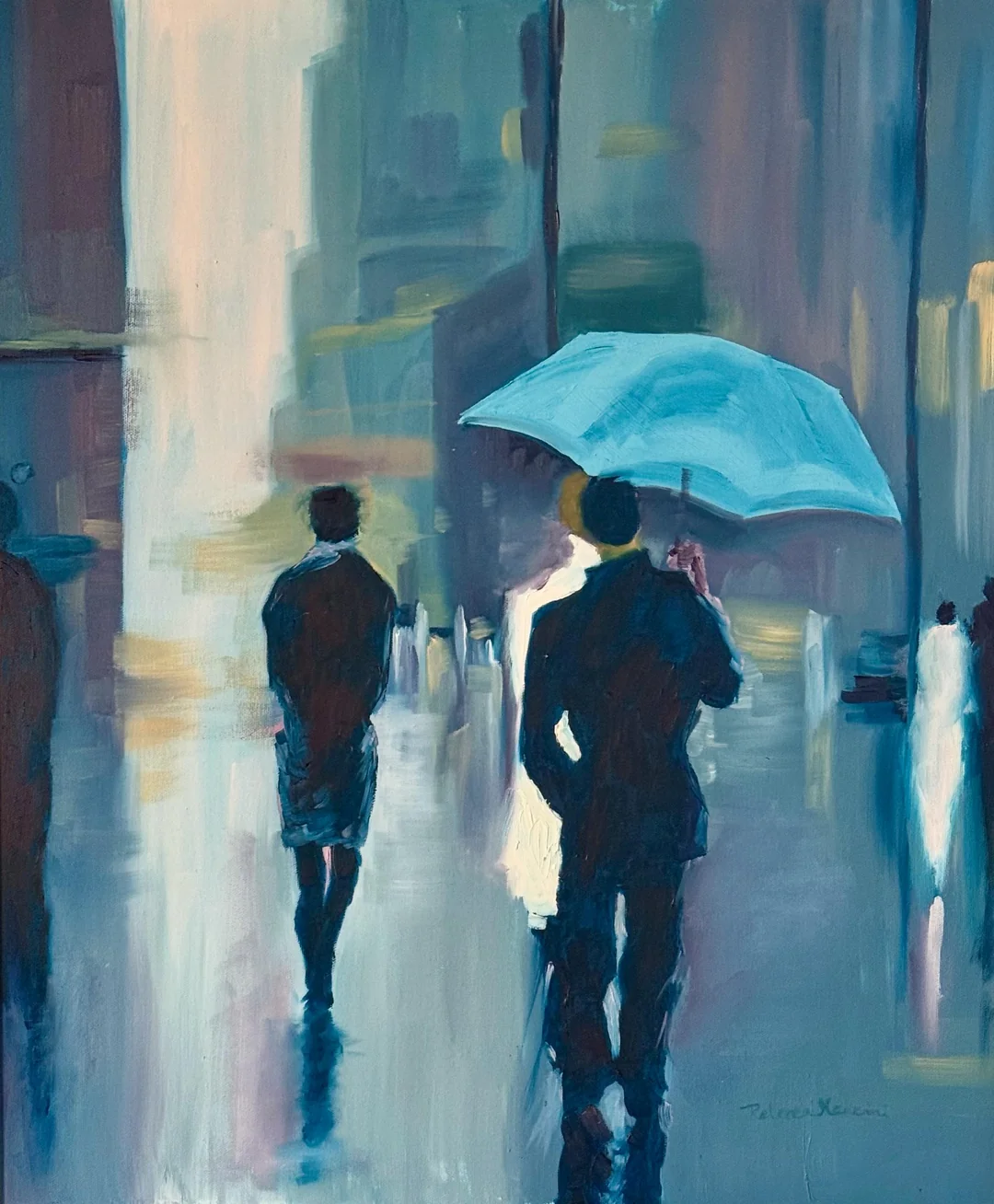
A London strike in rainy June

I almost missed my post-op checkup.  I didn’t sleep.  Had to get up early.  Tube strike day.  Looked at Uber.  £67.  15 mins to arrive.  2.5 hours to hospital.  Nope.  Have to try public transport.  Got to Redbridge station.  Next train 15 mins.  Almost didn’t get on, stuffed.  Aggressive man.  Was going to switch onto… Continue reading A London strike in rainy June

A Palestinian girl’s goodbye to Berlin

18 September 2018. I still remember the exact day I took my one-way flight to Berlin. The place I had decided, at the age of 22, was to be my home. Intoxicated with the city I had visited many times before, I couldn’t wait to jump in head-first. The city already had its hooks in… Continue reading A Palestinian girl’s goodbye to Berlin

An Oxbridge education doesn’t automatically make you an intellectual

Over the weekend, a few of us indulged in a stretched-out debate. It started when one friend explained how she didn’t have the same conversations with her coworkers on the media and politics as she could in university. For her, environment mattered when it came to having intellectual discussions, which she found existed superfluously in… Continue reading An Oxbridge education doesn’t automatically make you an intellectual

From spleen to screen — what is comedy now?

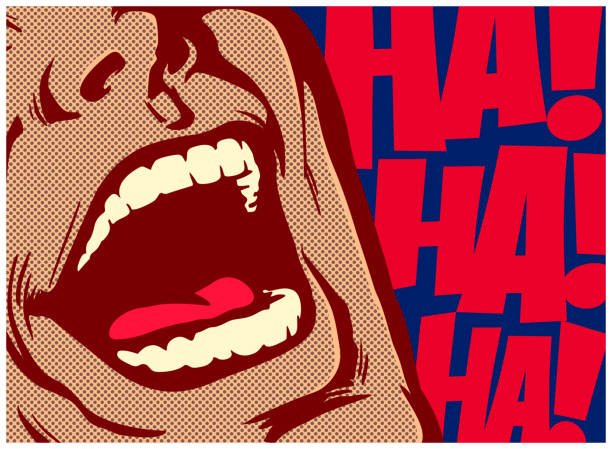
Pop art style comics panel mouth of man laughing out loud lol comedy vector illustration

Three young Claphamites walk into a bar. The start of a bad joke, and also the start of this article. Three young Claphamites walk into a bar, pay the best part of a tenner for a pint of lager, before climbing the back stairs to a dingy room to take their seats for the show.… Continue reading From spleen to screen — what is comedy now?

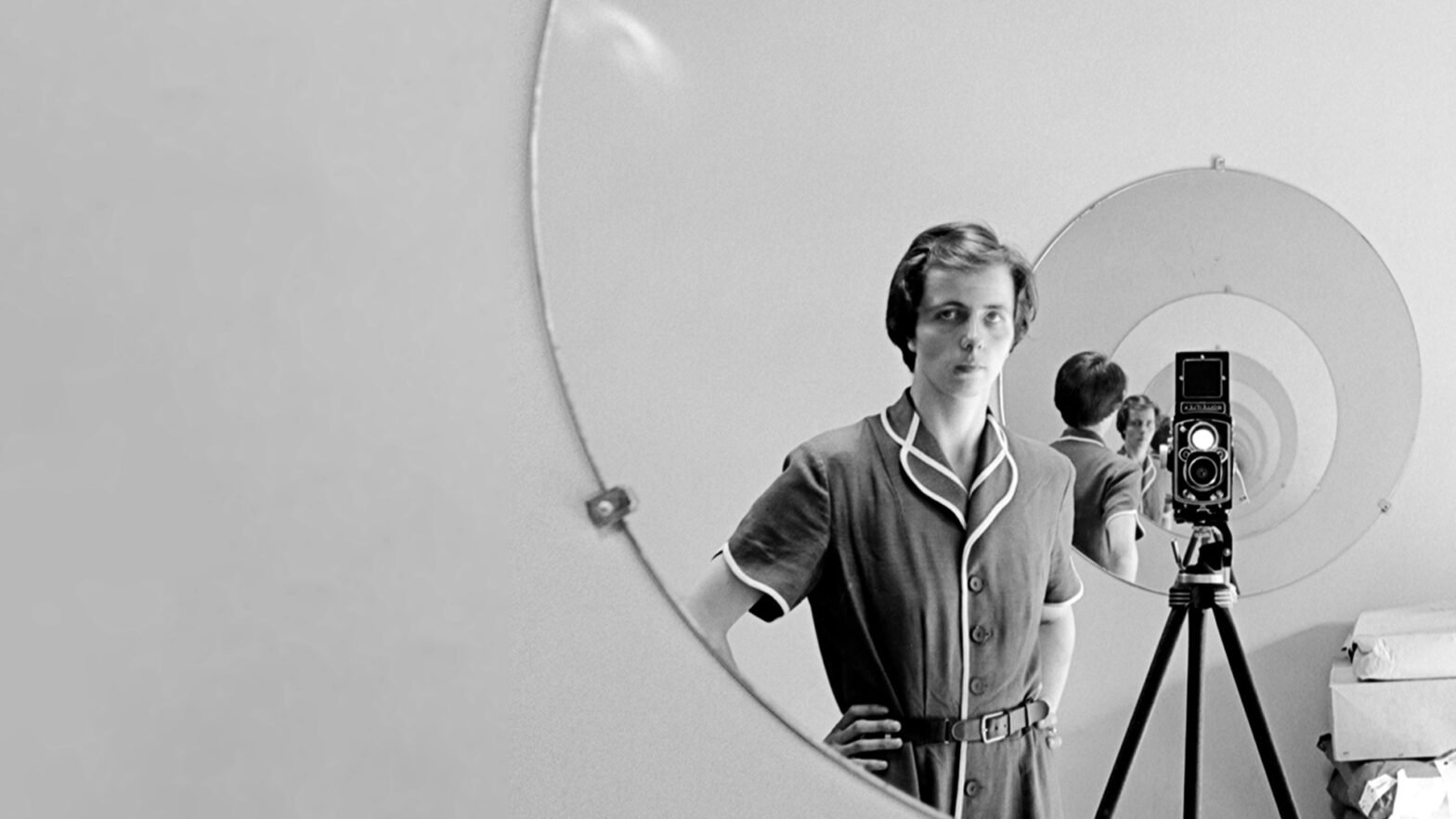
Vivian Maier and the Art of Being Seen

They found her by mistake… a life sealed away in cardboard and dust, as though she’d slipped herself into the margins of the world and trusted time itself to stumble upon her one day. Inside that storage locker were hundreds of rolls of film, some never touched by light, as if she believed certain truths… Continue reading Vivian Maier and the Art of Being Seen

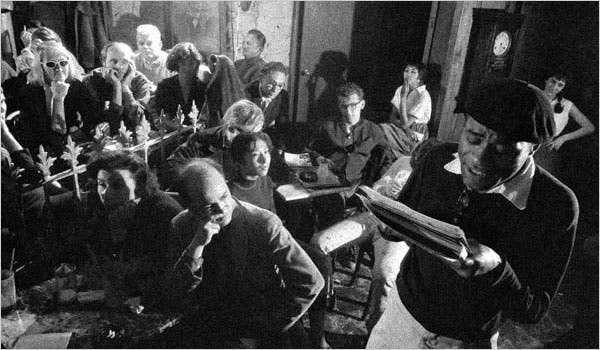
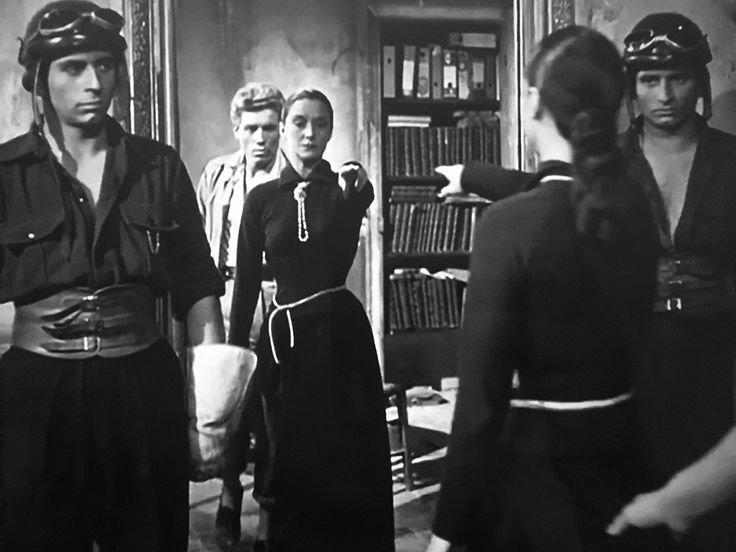
Poetry on trial – reading Jean Cocteau’s Testament of Orpheus in the light of Gorgias’ Encomium of Helen

Preface: Gorgias (483-375BC) wrote his Encomium of Helen (‘in praise of Helen’) as a sort of exercise in the use of language, an example piece, if you will, to attract potential students of rhetoric. We might classify it, in Aristotelian terms, as an epideictic, a ‘praise and blame’ piece of writing. Jean Cocteau, whose treatment of poetry is… Continue reading Poetry on trial – reading Jean Cocteau’s Testament of Orpheus in the light of Gorgias’ Encomium of Helen

Where Everyone Can Shape the Story: The New Soft Power

Every day, people open their phones and step into refugee camps, protests, weddings, and war zones thousands of miles away. These glimpses, intimate and unfiltered, are becoming the new currency of global influence. After October 7, 2023, Shayma Ahmed began documenting daily life amid airstrikes, explaining the strain of ordinary tasks and moments of quiet… Continue reading Where Everyone Can Shape the Story: The New Soft Power

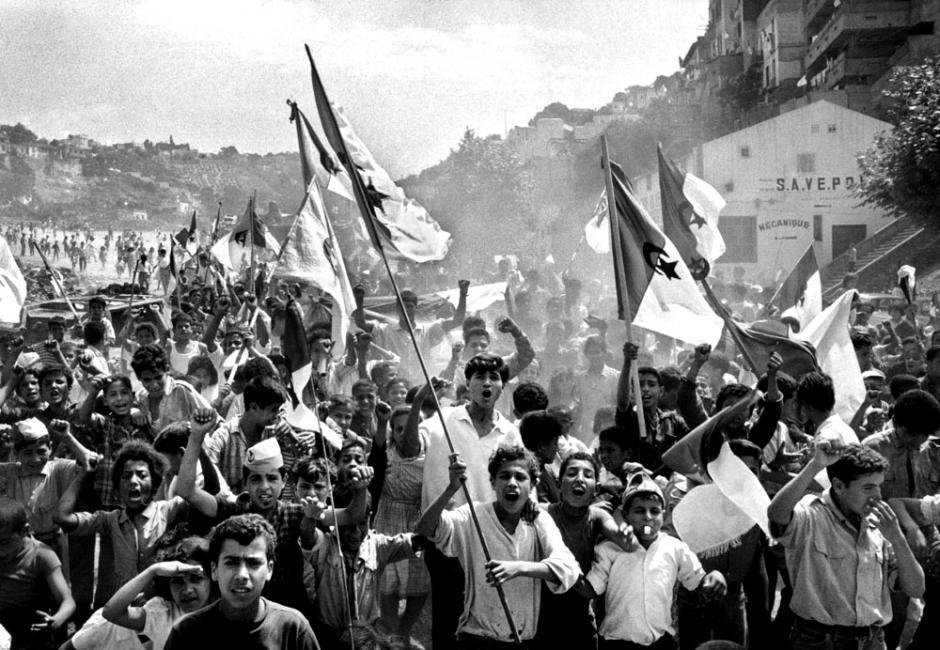
Comparing Memories and Legacies of the Troubles and the Algerian War

The study of memory is an ever-evolving field, having to constantly negate the reinforcement of antagonisms. Various modes of memory study have developed in recent history, most notably the “cosmopolitan mode” which emerged after the Second World War, which focused on individual victims and subsequently neglected the social and political causes of events, resulting in… Continue reading Comparing Memories and Legacies of the Troubles and the Algerian War

Rethinking the Anthropocene — what Australia’s First Nations knowledge teaches us about climate justice

The age of humans or the age of forgetting? The Anthropocene marks a proposed new chapter in Earth’s history, one where human activity has become the planet’s dominant geological force. The term comes from anthropocentrism, the belief that humans stand at the centre of existence, seen as “superior to nature and… animals, plants… resources that… Continue reading Rethinking the Anthropocene — what Australia’s First Nations knowledge teaches us about climate justice

Hobbes and artificial intelligence — the meta-Leviathan

Between the years of 1642 and 1651, the UK was in total turmoil as the Royalist and Parliamentarist forces competed to lead the way for the union’s future. One man, utterly disturbed by the skirmishes resulting in an uncertain future and a death toll of around 200.000, strived to find out how this outcome could… Continue reading Hobbes and artificial intelligence — the meta-Leviathan